
Grandview Heights
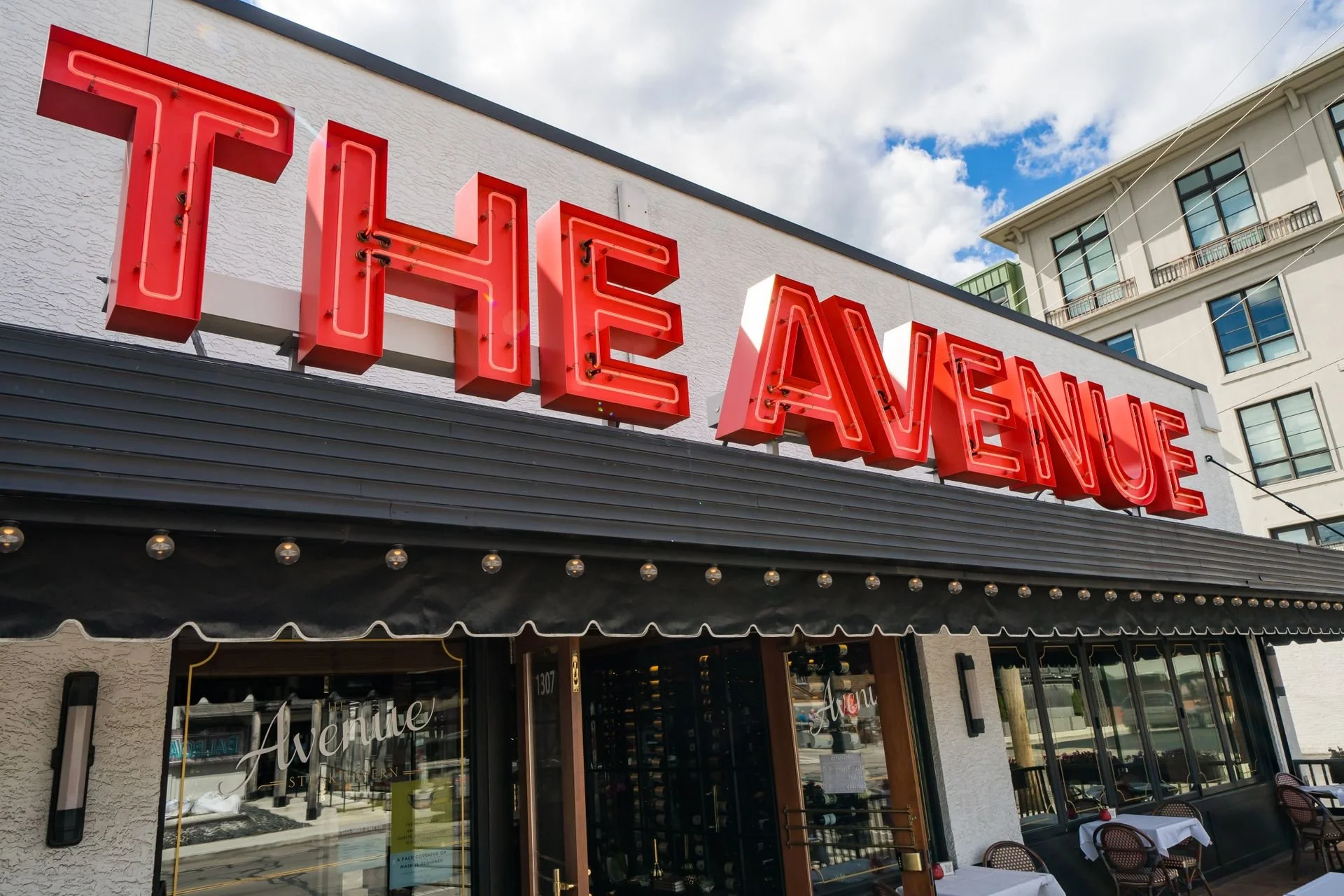
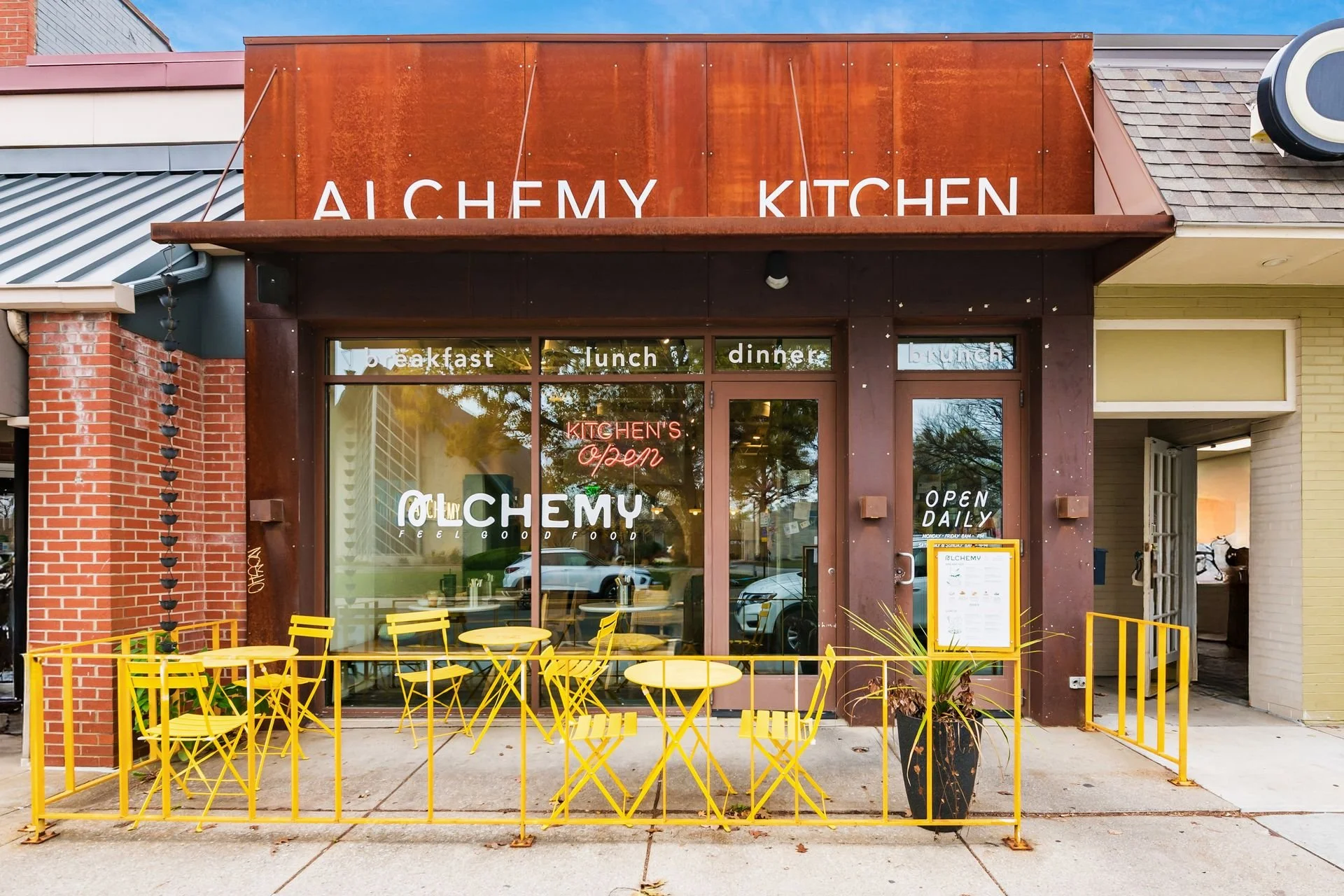
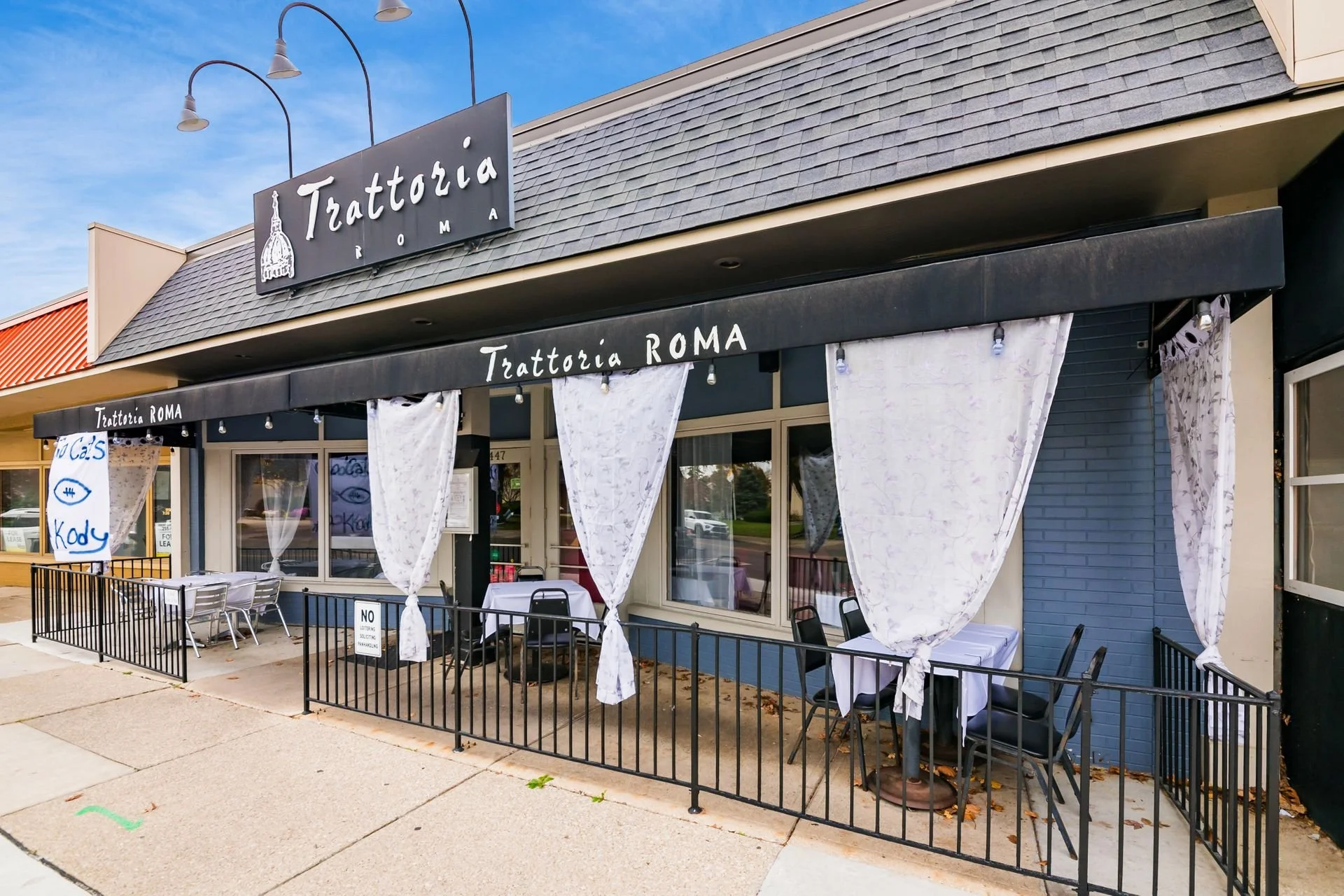
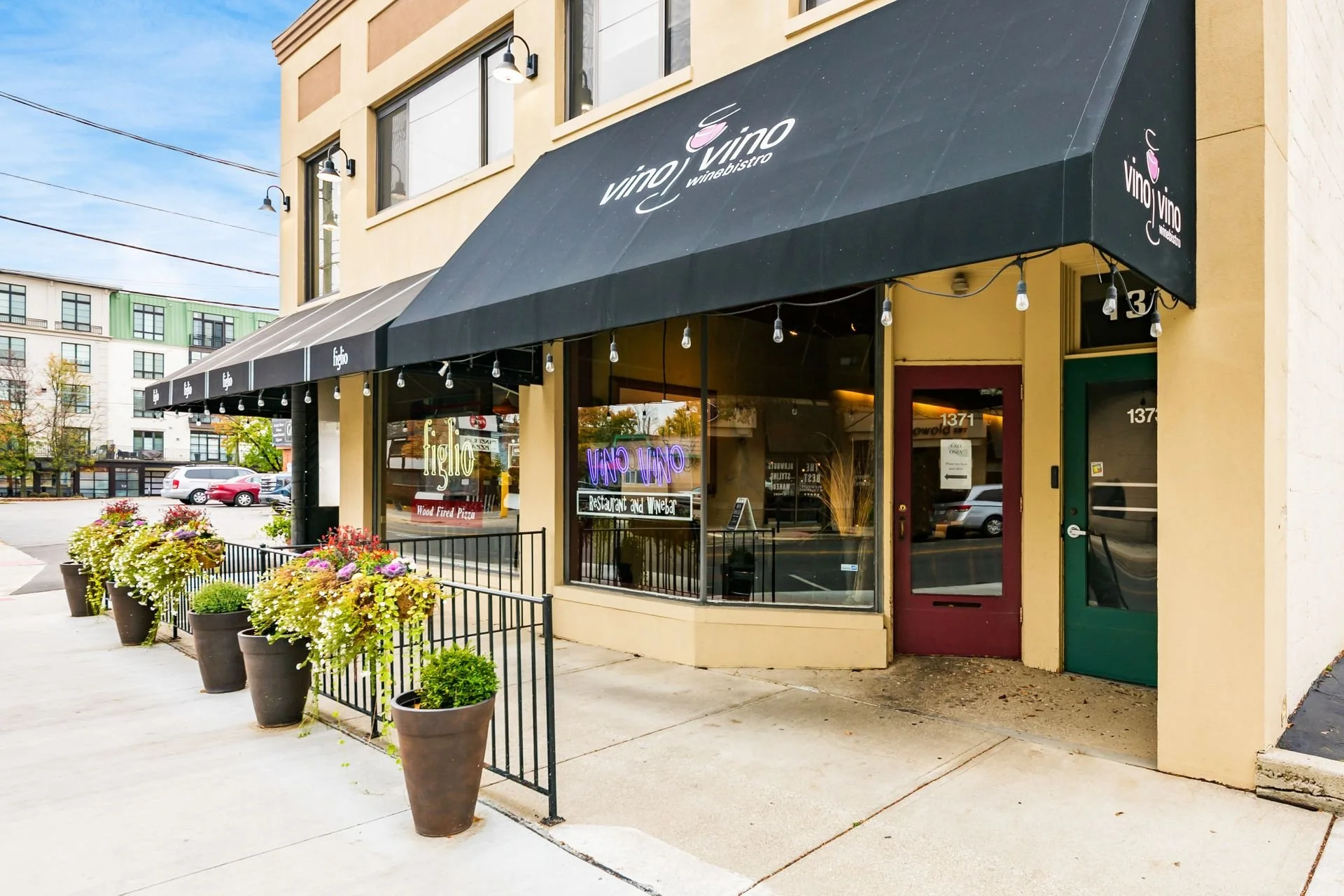
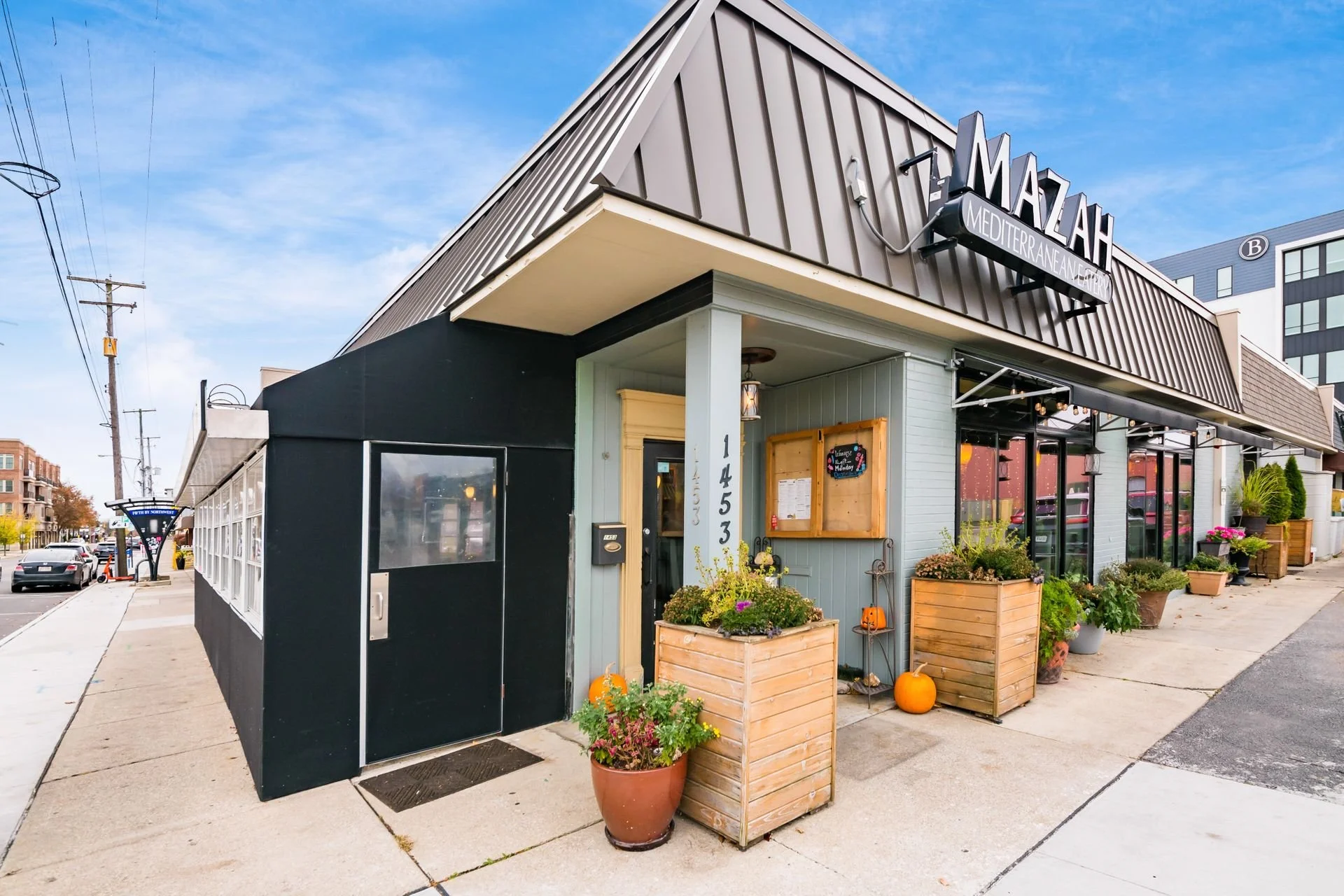
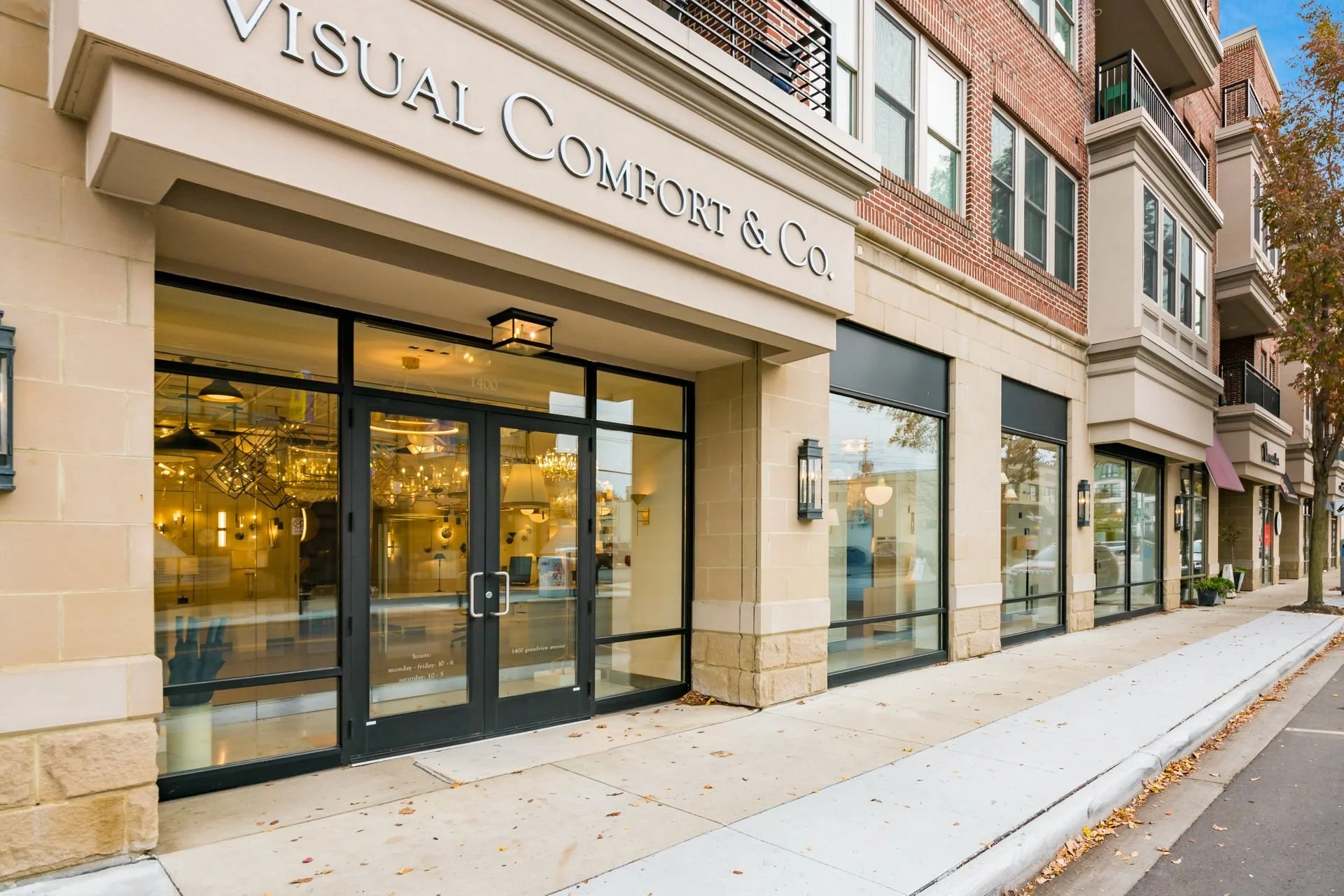
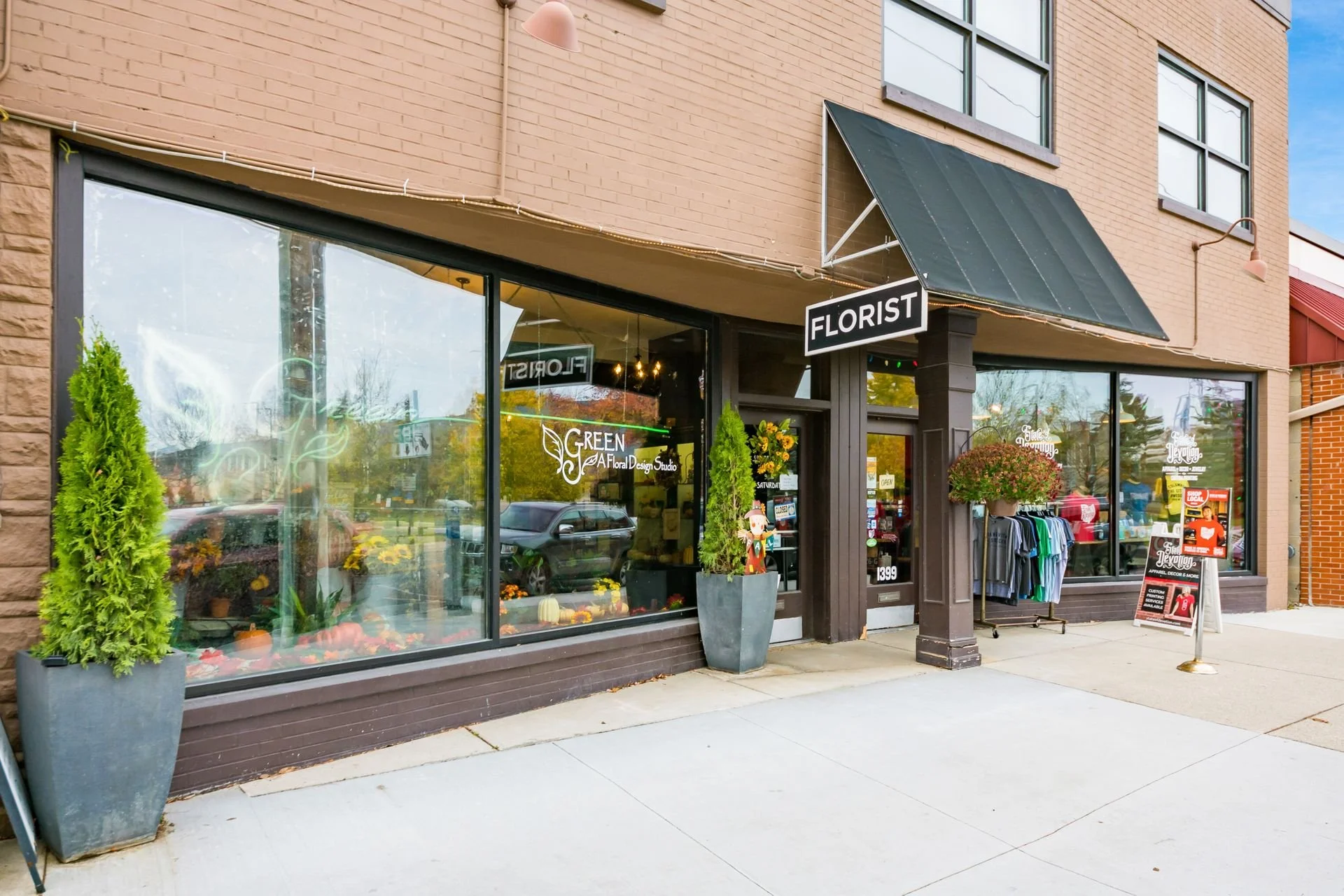
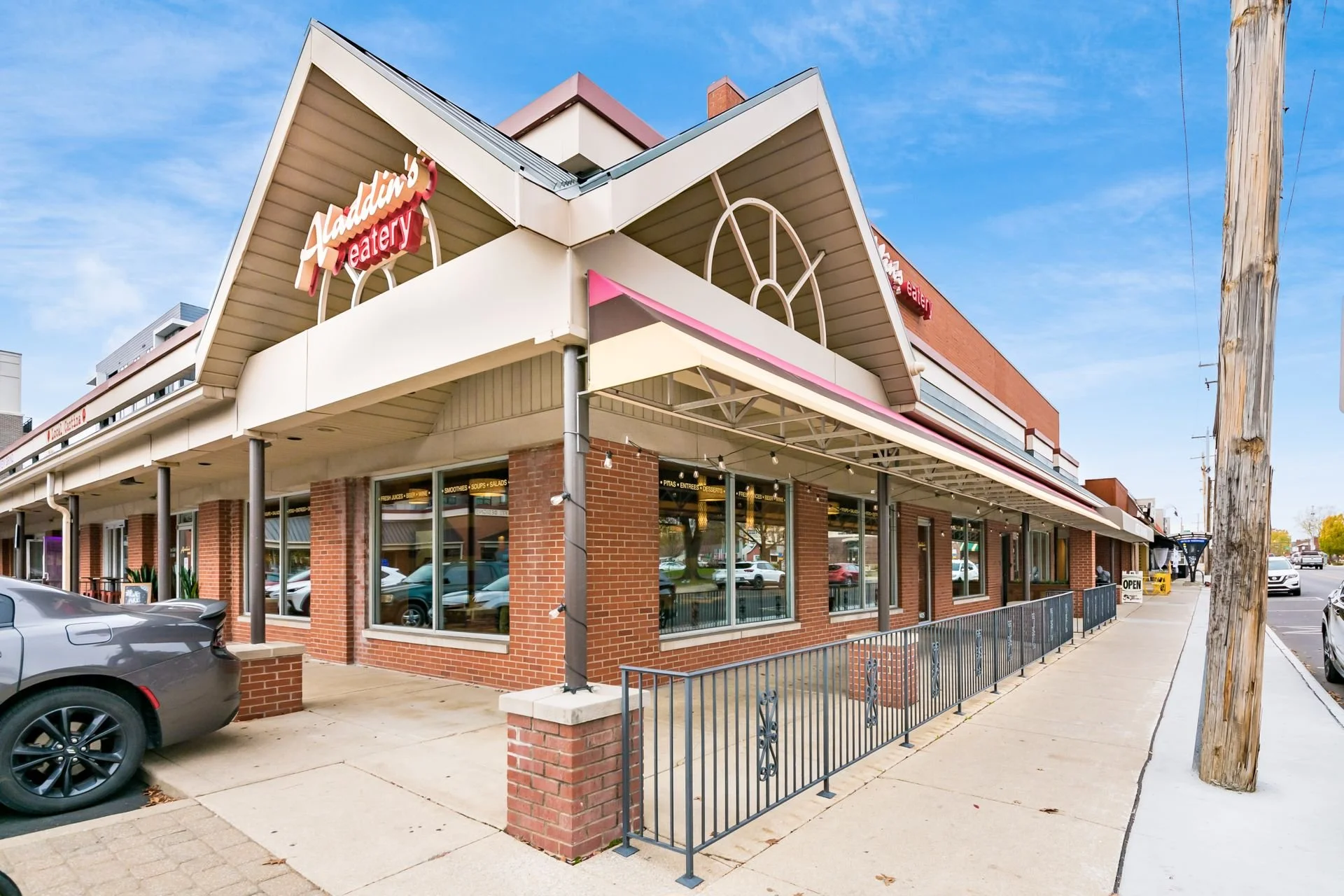
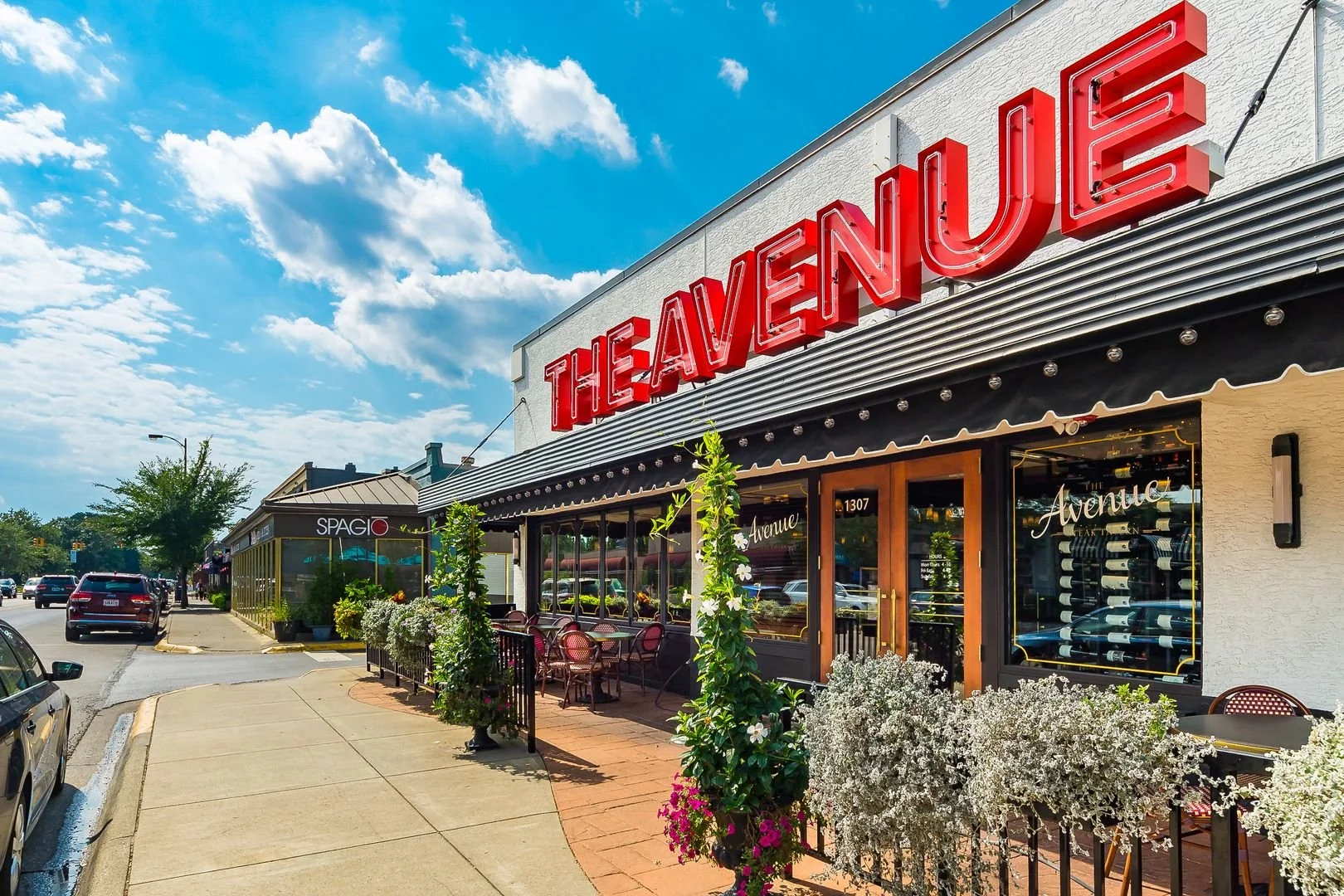
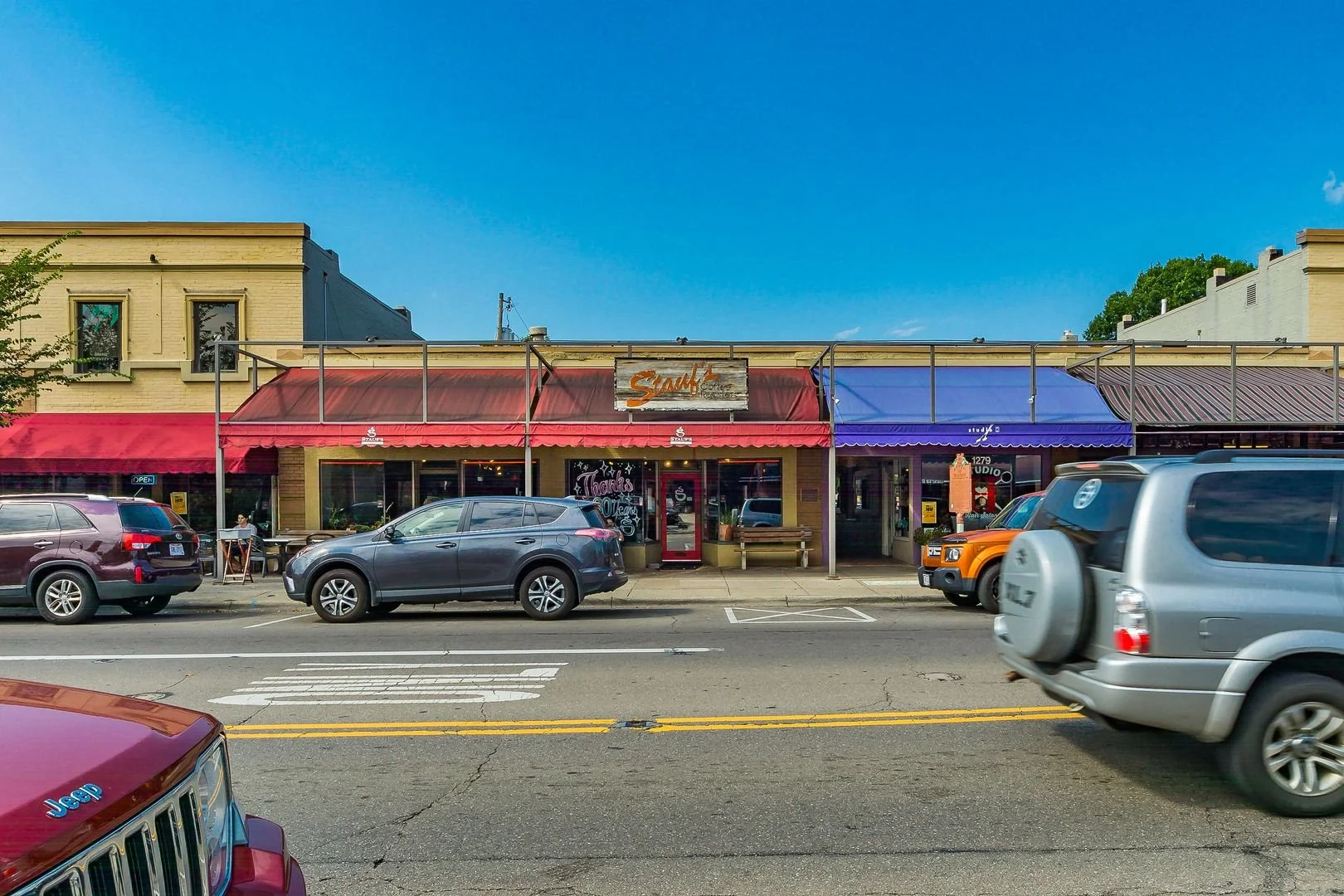
Grandview Avenue's shops and restaurants, a one-square-mile city with its own library, parks, and parades, and one of the most walkable addresses in Columbus — the houses, the market, and what it actually takes to buy or sell here.
Grandview Heights at a glance
Grandview Heights is a city of its own — 1.32 square miles, about two miles northwest of downtown Columbus, with its own mayor and council, its own school district, its own police and fire departments, and its own public library. It is the smallest of the inner-ring cities around Columbus, and the one that feels most like a small town that happens to sit next to a big city: a single main street of independent shops and restaurants, tree-lined residential streets a block off it, and a calendar of parades and street festivals that the whole city turns out for.
The ground here was farmland before it was a city. In 1842 the area was divided into twelve plots and sold off by Lucas Sullivant's successors, and a residential community began to form on the bluff above the Scioto River valley around 1890. The 1901 extension of a streetcar line across the Goodale Street bridge and into the area as far as Fifth and Arlington Avenues brought faster development, and in 1901 the whole area between the two rivers united as the Hamlet of Marble Cliff. The southern residents split away in 1903, and in 1906 they incorporated as the Village of Grandview Heights — some 200 residents, with their own village council. Annexations followed in 1911, the city fought off annexation by Columbus in 1921 and again in 1931, and in 1931 Grandview was chartered as a city. The Grandview Heights Public Library was established in 1924, and the Grandview Avenue Bank Block — one of the first strip shopping centers in the country, built with its own parking lot — went up in 1927 and was dedicated in 1928. The Grandview Heights/Marble Cliff Historical Society, founded in 1975, marked the centennial of the incorporation in 2006.
The modern chapter is Grandview Yard: a mixed-use redevelopment that turned a maze of rail yards and industrial buildings on the community's western edge into offices, apartments, shops, and restaurants — a second walkable node for a city that already had one on Grandview Avenue. At the 2020 census Grandview Heights had 8,085 residents, an estimated 8,841 by 2023, packed into 1.32 square miles — one of the most densely populated municipalities in the Columbus region.
Walkability is the defining fact. Grandview Heights has a Walk Score of 92 — a "Walker's Paradise," where daily errands do not require a car — on walkscore.com's reading for the Grandview Avenue area. The Transit Score is 38 and the Bike Score is 78. The shops and restaurants of Grandview Avenue sit within an easy walk of most housing in the city, and the whole city is small enough that the library, the parks, and the main street are all a short walk or bike ride from home.
This is home turf for The Robbins Group. Our office is in Bexley, at 2204 East Main Street in The Fitzgerald — Coldwell Banker Realty's first Global Luxury office in Central Ohio — and this guide is written the way the others are: an honest read of the neighborhood, the market as the MLS reports it, and what buyers and sellers should actually know before they move here.
How Grandview Heights is organized
Grandview Heights is small enough to hold in your head, and it reads that way on the ground: one main street, a grid of residential streets around it, and a newer district on the western edge.
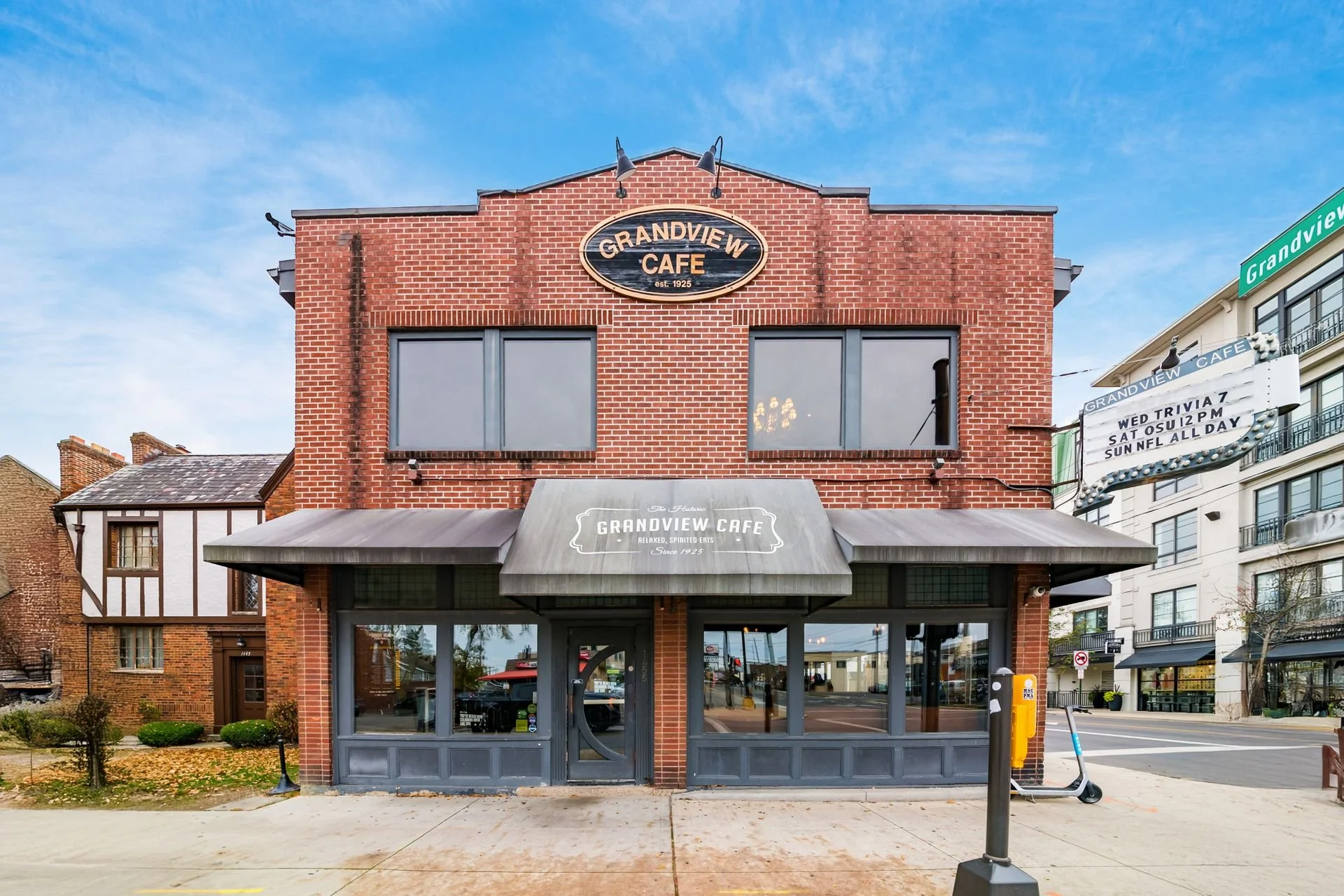
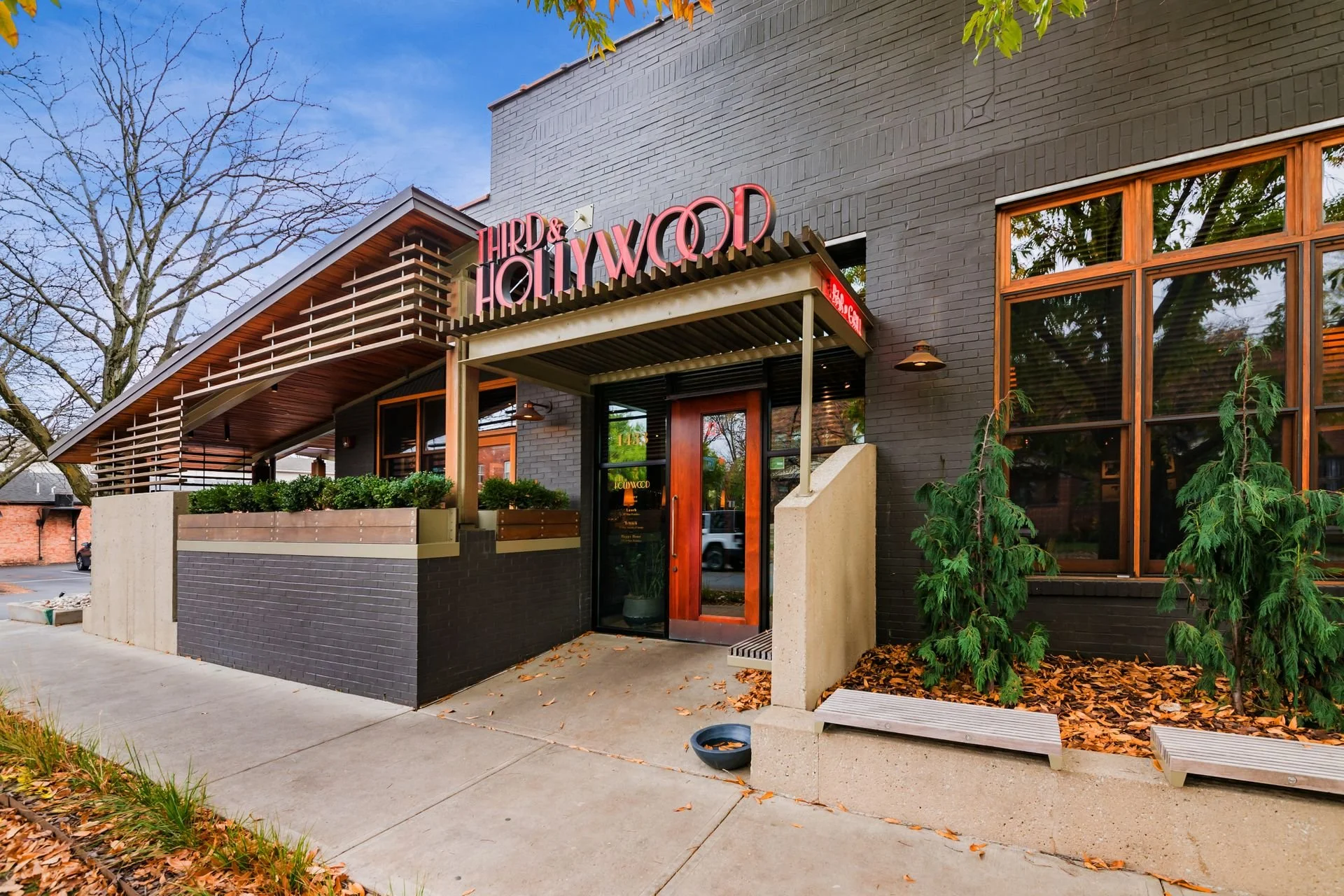
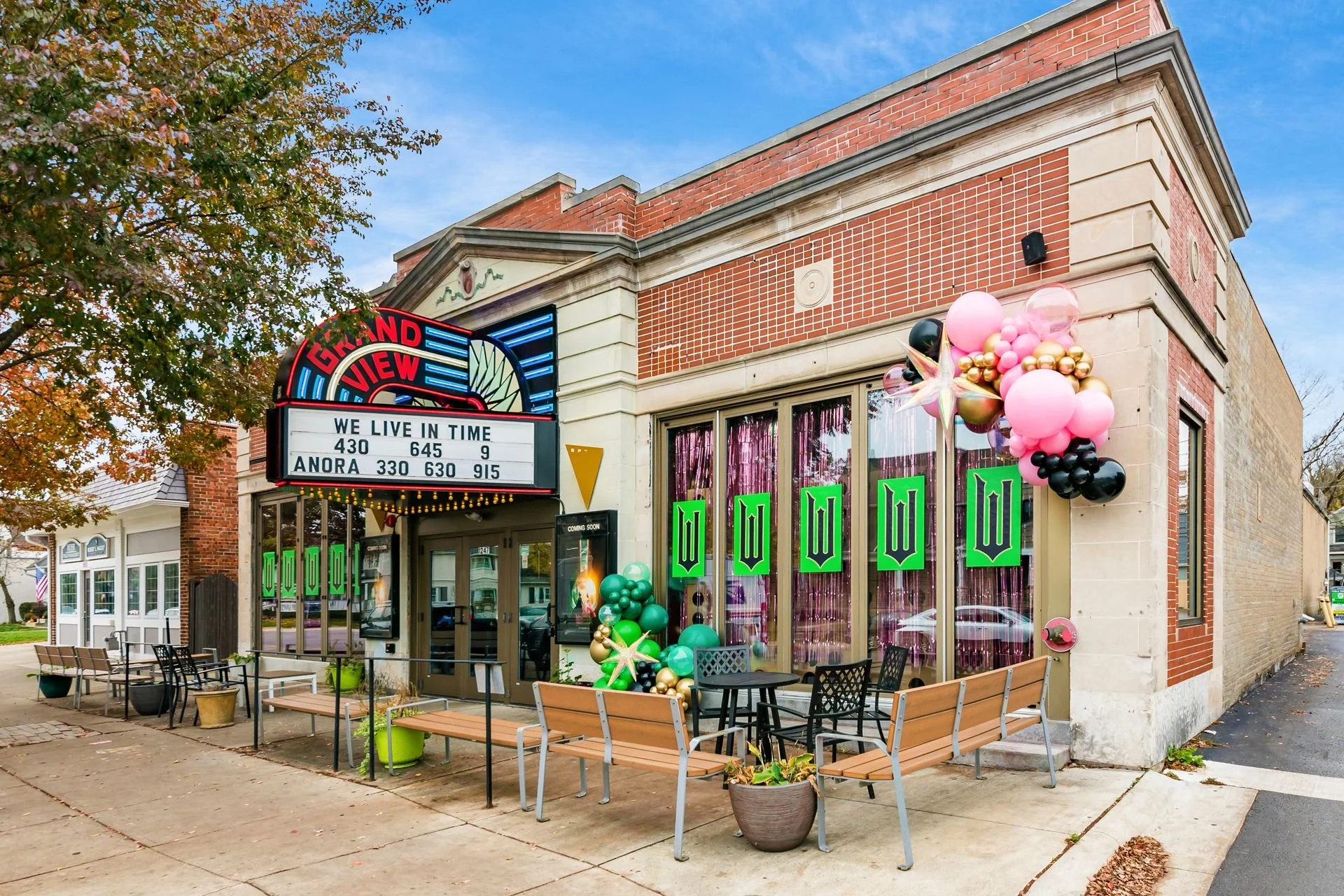
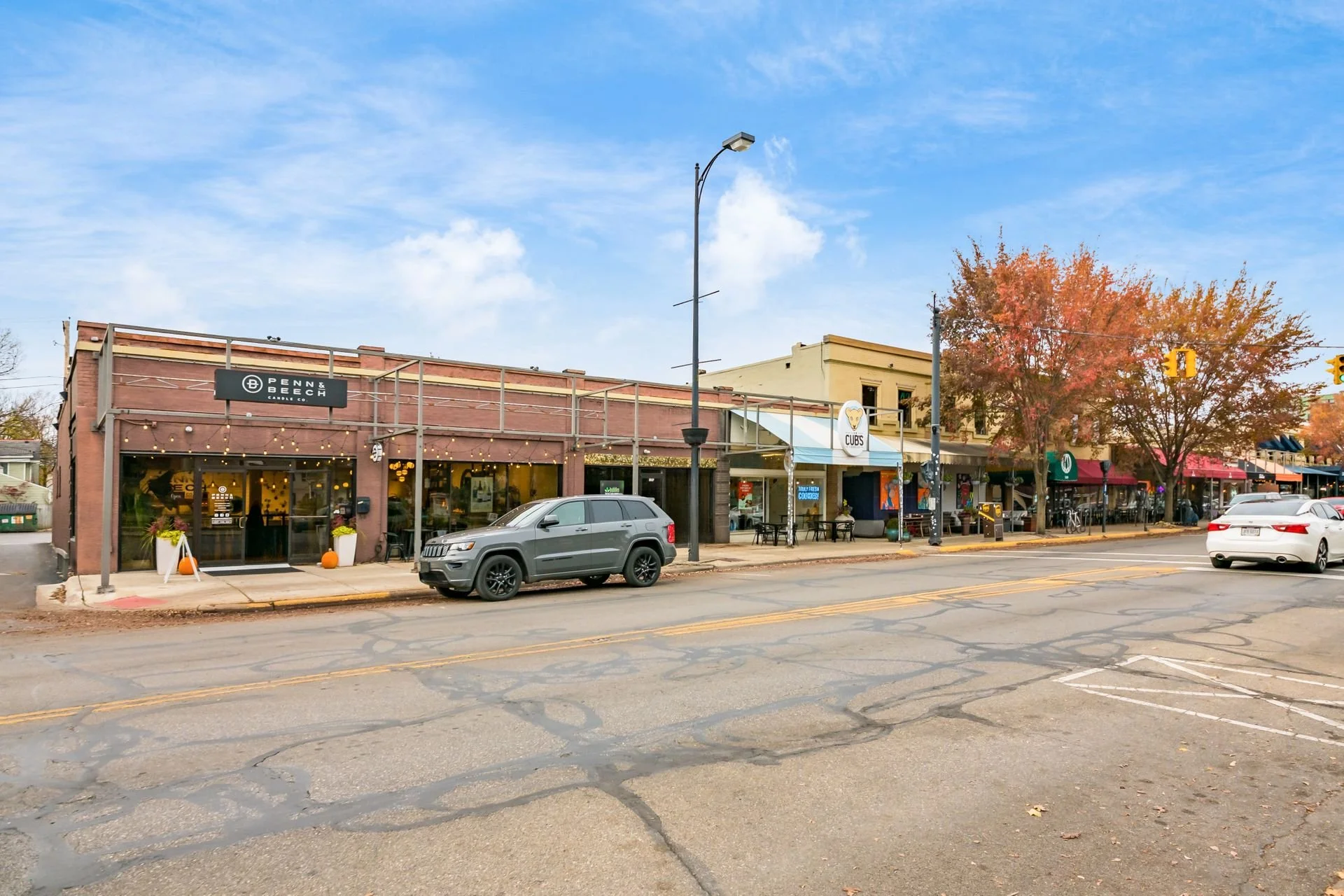
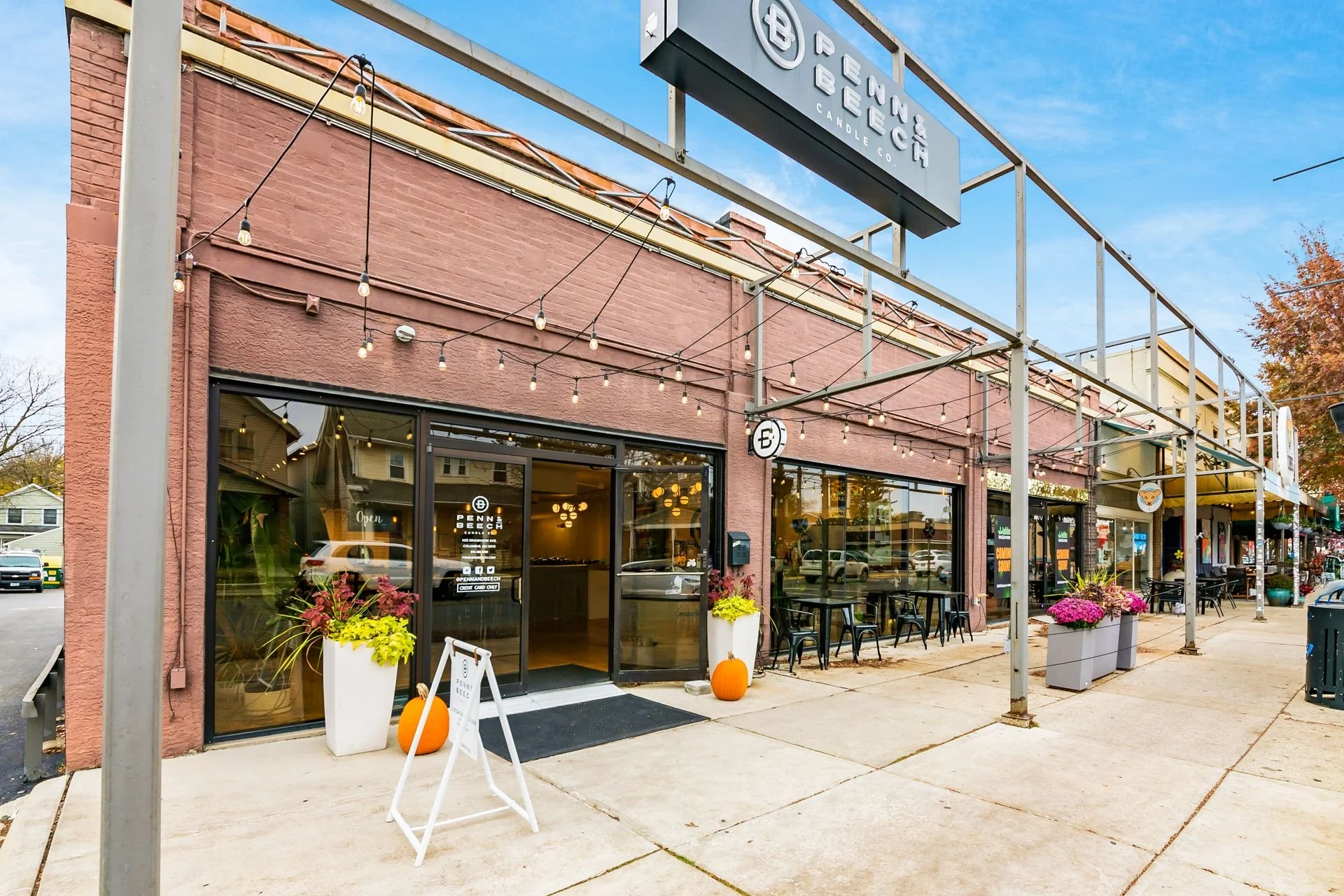
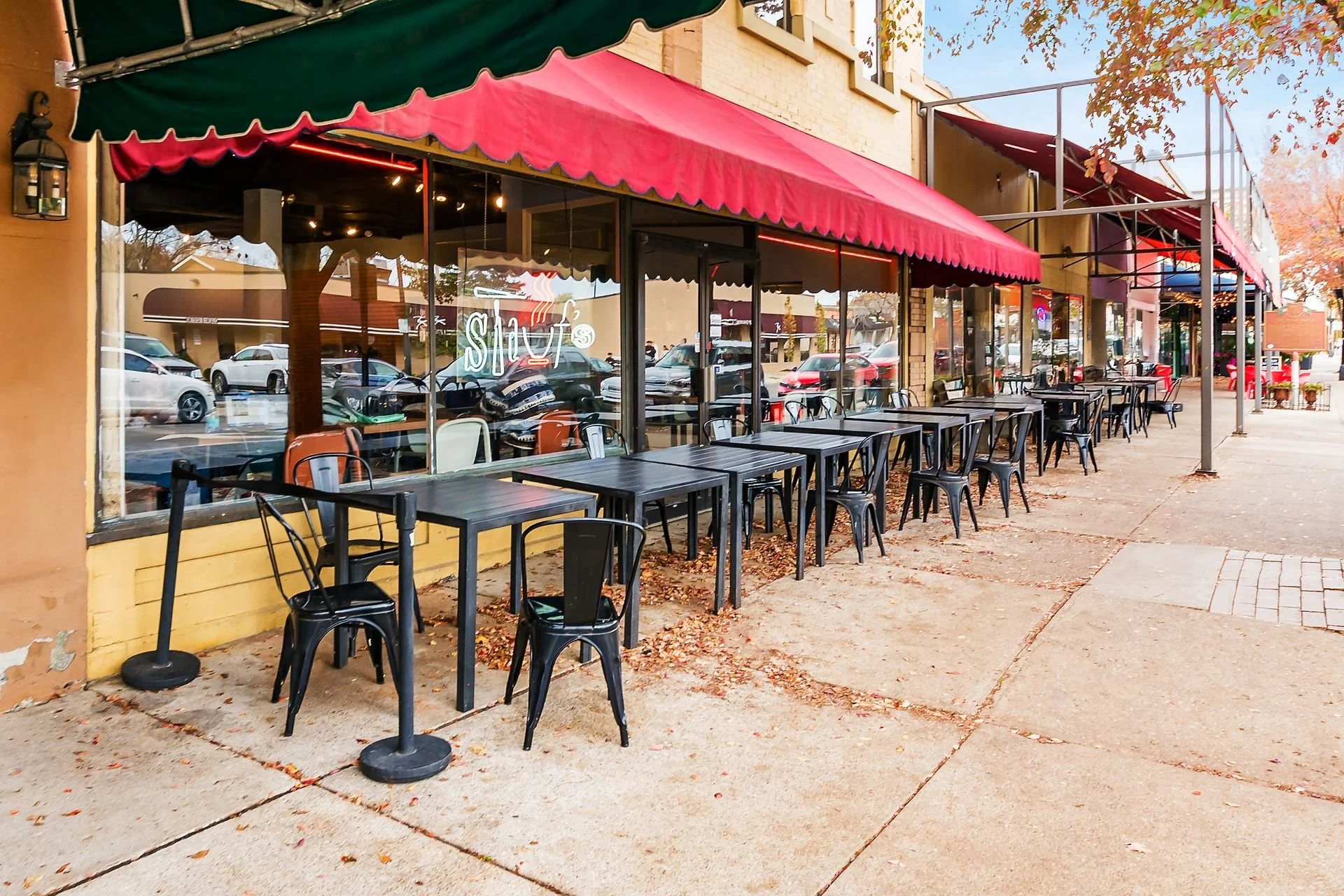
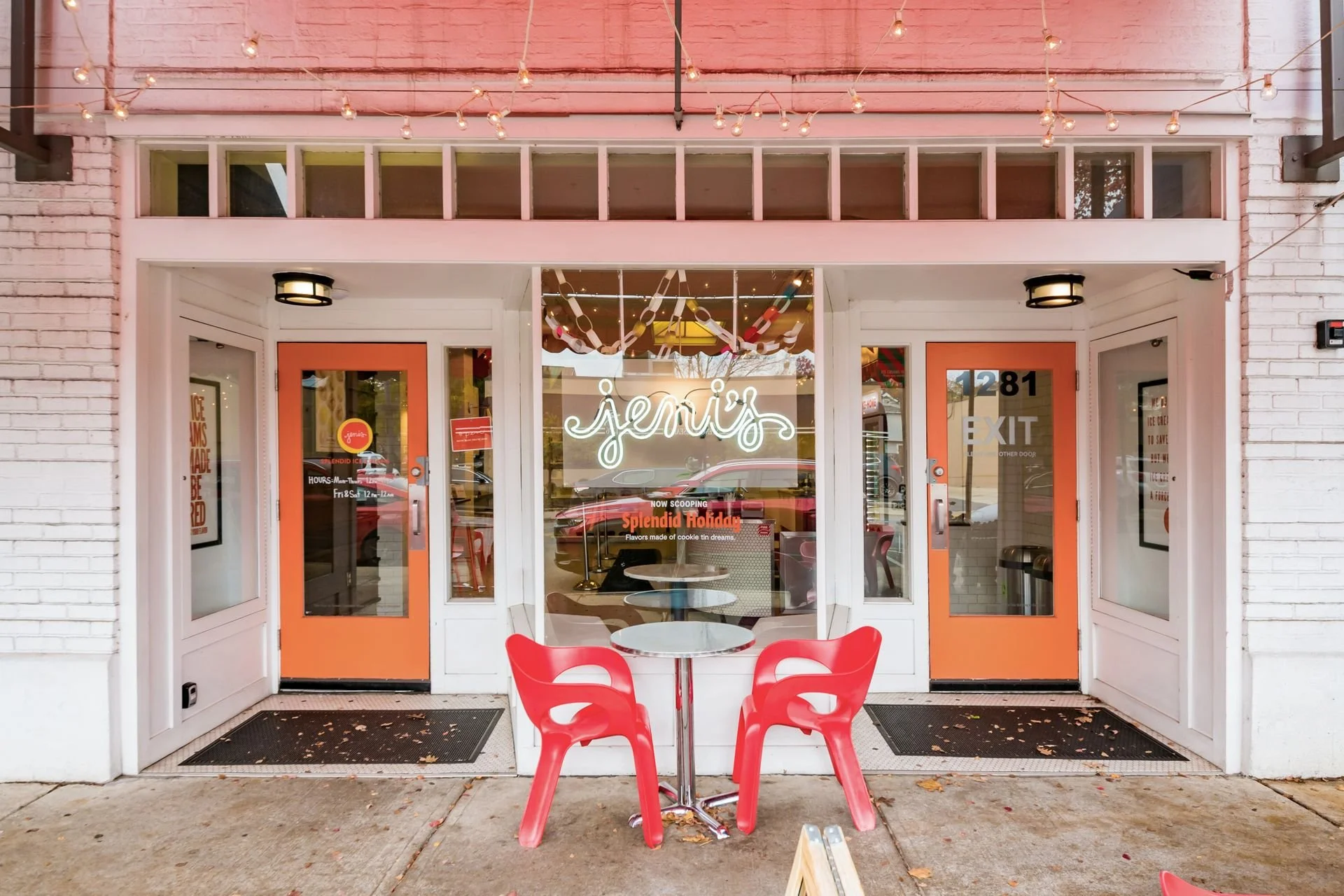
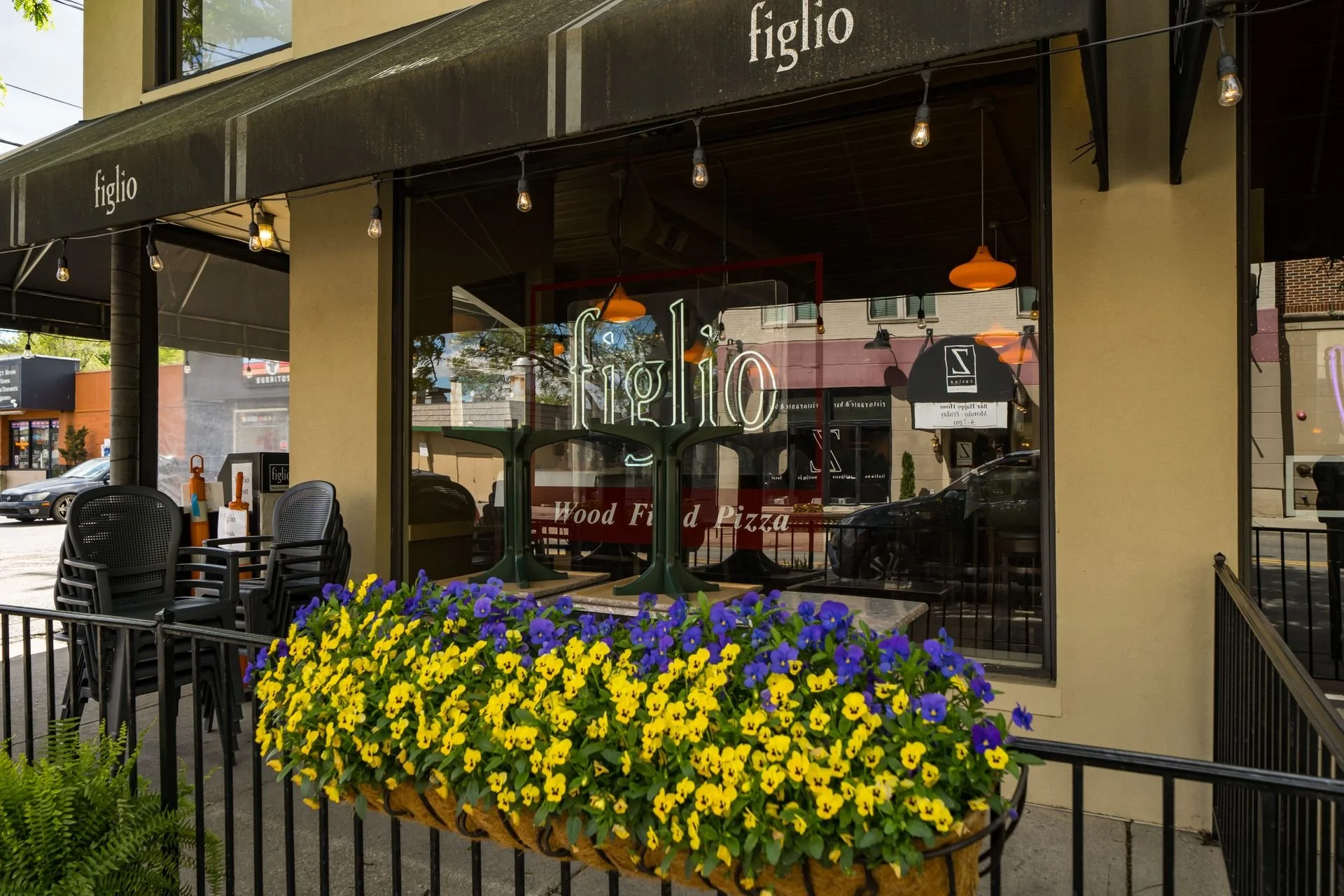
Grandview Avenue is the spine. The commercial heart runs along it between 1st and 5th Avenues — independent boutiques, craft breweries, coffee roasters, and locally owned restaurants, with apartments above the shops in places — anchored by the Bank Block, built in 1927 as one of the first strip developments in the region to include its own parking lot, and still the middle of the shopping street. The Grandview Theater & Drafthouse sits on the strip, and the whole stretch is the city's front room: the place the Grandview Hop closes to cars on summer Saturday evenings.
The residential streets fan out from the Avenue — First, Third, and Fifth Avenues running east-west, Northwest Boulevard and the bluff streets above the Scioto valley — a grid of early-20th-century homes on tree-lined blocks. The city is bounded by Columbus on nearly every side, except on the west and northwest, where it abuts the Village of Marble Cliff and Upper Arlington. The commonly perceived boundaries of the "Grandview Area" reach farther — to King Avenue on the north and Olentangy River Road on the east — but the actual corporate limits are much smaller, and the MLS figures below are for the city itself.
Grandview Yard is the second node. On the community's western edge, on what used to be rail yards and industrial land along the Scioto, the Yard is offices, apartments, shops, and restaurants in a newer mixed-use district — the city's growth edge, and the source of much of its newer condo and apartment stock. Downtown Columbus is about two miles east, and the Short North sits just across the Olentangy River to the east — close enough that Grandview reads as an extension of the city's walkable core, with a city government of its own.
Most of the city is in ZIP code 43212. The MLS market figures below are reported for Grandview Heights (Corp.) in Franklin County — the city itself.
A year in Grandview Heights
Grandview Heights runs on a calendar, and living here means living with it — the Avenue closes, the parks fill, and the city turns out. The summer belongs to the Grandview Hop: on the last Saturday of June, July, August, and September, Grandview Avenue between 1st and 5th Avenues closes to cars from 5 to 9 p.m. for a free open-street night market — more than 200 pop-up vendors and food trucks, live music and performances, local art, and activities for kids, hosted by the CYP Club. A charity beer garden at the Hop has raised more than $150,000 for local causes since 2015.
In May, the Memorial Day parade steps off on the Saturday of Memorial Day weekend — in 2026, Saturday, May 23 at 10 a.m., down First Avenue between Cambridge Boulevard and Oxley Road, with marching bands, floats, and service organizations — and a Memorial Day service is held at Memorial Park on the Thursday evening before. The Fourth of July brings the city's own parade through the streets, with games, food vendors, and live music in the park and fireworks to close the day. On Tuesday evenings in July, Music on the Lawn runs at the Grandview Heights Public Library — the 40th annual series in 2026, 7 to 8 p.m. — and on Sunday mornings the Grandview Heights Farmers' Market sets up at Larson Middle School, 1600 W First Avenue, 9 a.m. to noon.
The year closes in December with Holiday in the Heights, on the first Tuesday of the month — December 1 in 2026, centered on Pierce Field — and the Historical Society's Ox Roast and Pumpkin Run round out the community calendar through the year. Dates move year to year; check the city's calendar before planning around any of them.
The houses themselves
Read Grandview's streets and you read its building history. Most of the housing stock dates from the city's first decades — early-20th-century single-family homes on the tree-lined grid, from modest bungalows and foursquares to the larger historic homes on the bluff streets — with rental units mixed in and newer townhomes and condos layered on, above all at Grandview Yard. The Historical Society's own description of the stock is large historic mansions, a wide variety of single-family homes, and a number of rental units, and the sales mix bears that out: of the 89 homes sold in the city in the first nine months of 2026, 56 were single-family and 33 were condos.
The two pockets read differently. The older grid is the historic stock: early-1900s homes, many of them brick or frame, on narrow lots close to Grandview Avenue and the parks, where the walk to the Avenue is the point. Grandview Yard is the new-construction pocket: apartments, townhomes, and condos in a mixed-use district, many built in the last decade, with HOA fees and shared walls as part of the deal. Across the city, about a third of recent sales carried the condo form — usually with an HOA fee — so the monthly cost of a home here is not just the mortgage.
For buyers, the practical point is the same as in any small, older city: two homes with the same bedroom count can be very different propositions — original systems and floor plans in an unrenovated 1920s home, versus the same architecture with the renovation already done, versus a new Yard townhome with an HOA. That spread is where local pricing knowledge matters most, and it is why the market median can swing sharply on just a few large closings — the subject of the next section.
The Grandview market right now — 2025 vs 2026
| Grandview Heights home sales | 2025 | 2026 | Change |
|---|---|---|---|
| Homes sold | 125 | 135 | +8.0% |
| Average sale price | $579,913 | $642,017 | +10.7% |
| Median sale price | $560,000 | $600,000 | +7.1% |
| High sale | $2.02M | $2.05M | +1.7% |
| Low sale | $115,000 | $105,000 | −8.7% |
| Average price per sq ft | $342.57 | $358.67 | +4.7% |
| Average days on market | 34 | 23 | −11 days (−31%) |
| Average % of list price | 100.9% | 99.6% | −1.3 pts |
| Sales at $1M+ | 8 | 16 | +8 |
2025 is the full calendar year; 2026 covers January 1 – November 26, 2026, so the homes-sold count is not a full-year comparison. Source: Columbus and Central Ohio Regional MLS, FlexMLS CMA run Nov 26, 2026. Grandview Heights City School District.
What buyers should know
Expect low inventory. With 89 sales in nine months across the whole city and only 25 homes in inventory, the right home may only appear a few times a year in a given price range. Being ready — financing lined up, priorities settled — matters more here than watching and waiting.
Walk, don't drive — and check the parking. With a Walk Score of 92, daily errands, the library, the parks, and the restaurants and shops of Grandview Avenue are on foot for most addresses. But parking is the practical question: garage, lot, or street, and what the rules are for the specific block — and Grandview Avenue closes to cars for the Hop on summer Saturday evenings.
Read the HOA before you offer. About a third of recent sales in the city were condos, usually at Grandview Yard or in the older stock, and townhomes carry fees too. Read the budget, what the fee covers, any rental caps, and any pending assessments — the monthly cost of the home is not just the mortgage.
Price the era, not just the address. Much of the stock was built in the city's first decades, with the newest product concentrated at Grandview Yard. Budget and plan for the difference between a renovated home and an original one, and look closely at systems, not just finishes.
Mind the calendar. The Grandview Hop fills Grandview Avenue on the last Saturday of June, July, August, and September, and the Memorial Day parade runs down First Avenue. That energy is why people buy here — and it is worth spending an evening on the Avenue before offering, so the weekend version of the neighborhood is not a surprise.
Get in before the public launch. Well-prepared Grandview Heights homes still draw multiple offers, and sellers here receive 98.0% of original list price on average. Our Private Exclusives and Coming Soon pipeline is often where a Grandview Heights search starts — tell us what you are looking for through the buyer questionnaire below and we will keep you in that loop.
What sellers should know
Stage and photograph before Coming Soon. Ideally, all staging and photography are done before your home is listed as Coming Soon. The 3D tour, floor plans, and video can follow between Coming Soon and going Active on the list date. Sellers — and pets — should be out of the house for staging, photography, and the 3D tour.
Build demand in phases. A Private Exclusive phase, then Coming Soon, then Active gives demand time to build in stages, instead of spending your first weekend all at once. In our experience, homes marketed as Coming Soon, rather than launched straight to the public, draw the strongest price and terms — a full public launch is not the stronger play for top price.
Price from evidence, not algorithms. With few direct comparables on the market at any one time — and a spread from one-bedroom condos to restored early-1900s single-family homes and new Yard townhomes — pricing is a judgment call that has to be argued from recent closings across the city, not from an automated estimate. Start with a proper valuation, below.
Condition carries extra weight now. With inventory at 25 homes and months of supply at 2.7, buyers have little to choose from — but they still choose the fresh, well-prepared listing first. A well-prepared home still moves in about 21 days; a tired one sits while the fresh listings get the showings.
Get access to Private Listings
Fill out the form to receive our comprehensive list of off-market listings.