
Olde Towne East
Victorian showplaces on Franklin Avenue and Bryden Road, a topiary painting you can walk through, and a neighborhood that has been restored house by house — the history, the market, and what it actually takes to buy or sell here.
Olde Towne East at a glance
Olde Towne East is one of the oldest neighborhoods in Columbus, and it still reads that way on the ground: more than 1,000 homes, some built as far back as the 1830s, in more than 50 architectural styles, on tree-lined streets a short walk east of downtown. It was one of the city's first suburbs, built for the people who ran Columbus in the 19th century — politicians, industrialists, architects, brewers, retailers — and it was known in its day as the "Silk Stocking District," after the expensive clothing of its residents. The grand houses are still there. So is the street plan they were built on, the parks, and a neighborhood association that has spent fifty years bringing the place back house by house.
The ground was farmland before it was a neighborhood, stretching along the National Road — Broad Street and Main Street — east of the town of Columbus. The city's first horse-drawn streetcars arrived in 1863, and Olde Towne East became one of the very first suburban areas in Columbus. It was annexed into the city in 1870. In 1882, trolley tracks were laid on Oak Street to Kelton Avenue, where the streetcar barn still stands. By 1886, large sections of the area had been subdivided into residential lots, and the homes that went up were built for the people shaping the city — cartoonist James Thurber, the Hoster brewers, the Lazarus retailers, architect Joseph Yost, and Ohio's governors from 1920 to 1957. In 1896, E.T. Paul opened his blacksmith's shop at 115 Parsons Avenue; today E.T. Paul and Sons is the oldest independent tire dealership in the United States.
The 20th century was harder on the neighborhood. The automobile and a new ring of suburbs from the 1920s drew affluent residents away — Bexley, immediately to the east, absorbed many of them — and the great mansions were gutted of their fixtures or partitioned into apartments and nursing homes. The Broad Street Boulevard, a landscaped median that once ran from the Statehouse to Franklin Park, was removed for more traffic lanes, and Interstate 71, built in the late 1950s, divided the neighborhood from downtown and left it an inner-city island.
The recovery has been a neighborhood project. The Olde Towne East Neighborhood Association (OTENA) was founded in 1975 to promote civic pride and historic preservation, and the Bryden Road Historic District was created in 1989. Restoration is now the neighborhood's defining fact: the grand homes are being brought back one at a time, and new businesses have opened along the Parsons Avenue corridor. In August 2026, Columbus Business First put the neighborhood on its cover as one of the city's hottest, noting seven multifamily developments opened in the area over the past seven years.
Walkability is strong. Olde Towne East has a Walk Score of 73 — "Very Walkable," where most errands can be done on foot — on walkscore.com's neighborhood reading, which ranks it the 18th most walkable neighborhood in Columbus. The Transit Score is 49 and the Bike Score is 76, "Very Bikeable." Downtown is just across Interstate 71 to the west.
This is home turf for The Robbins Group. Our office is in Bexley, at 2204 East Main Street in The Fitzgerald — Coldwell Banker Realty's first Global Luxury office in Central Ohio — and this guide is written the way the others are: an honest read of the neighborhood, the market as the MLS reports it, and what buyers and sellers should actually know before they move here.
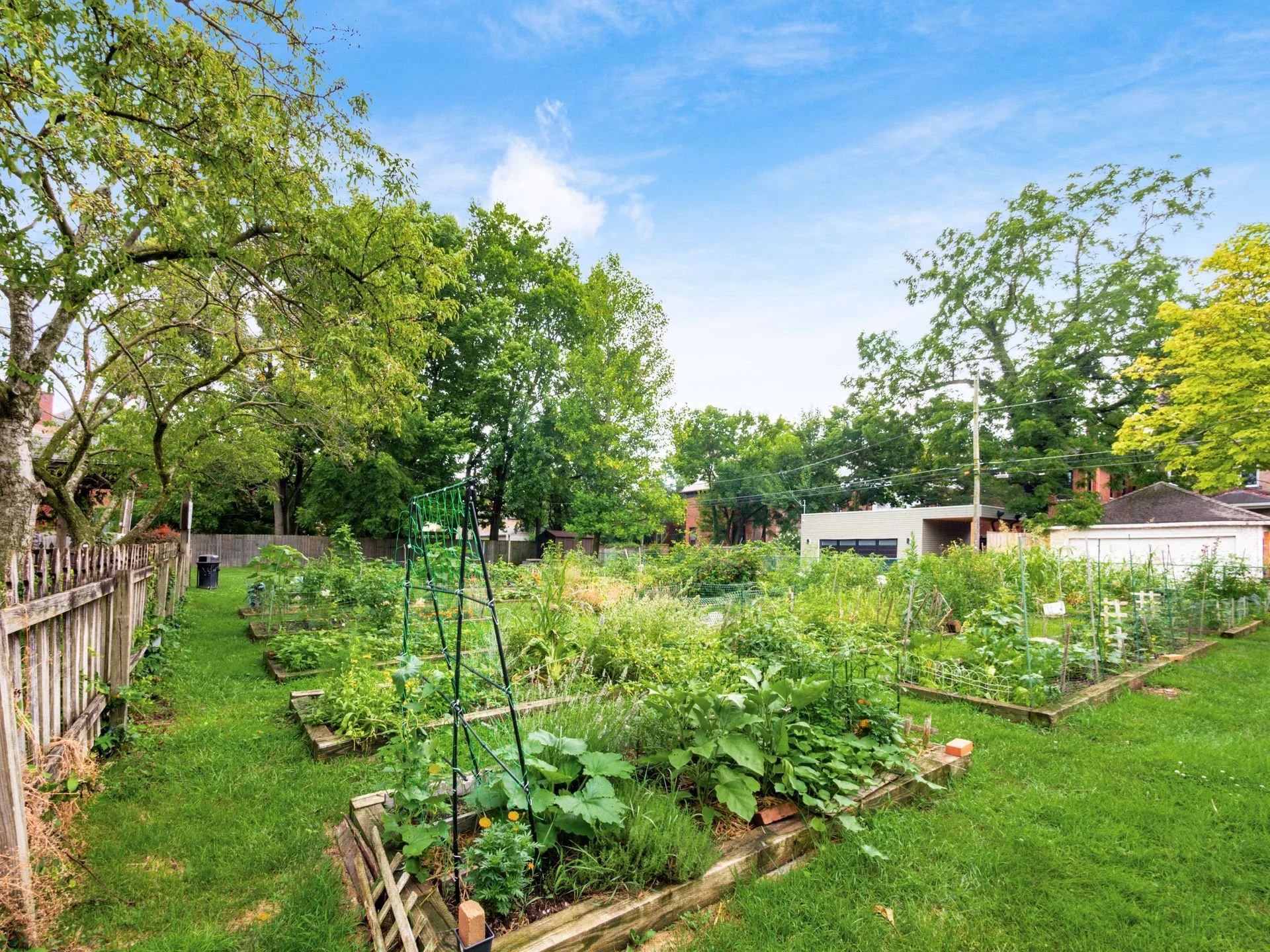
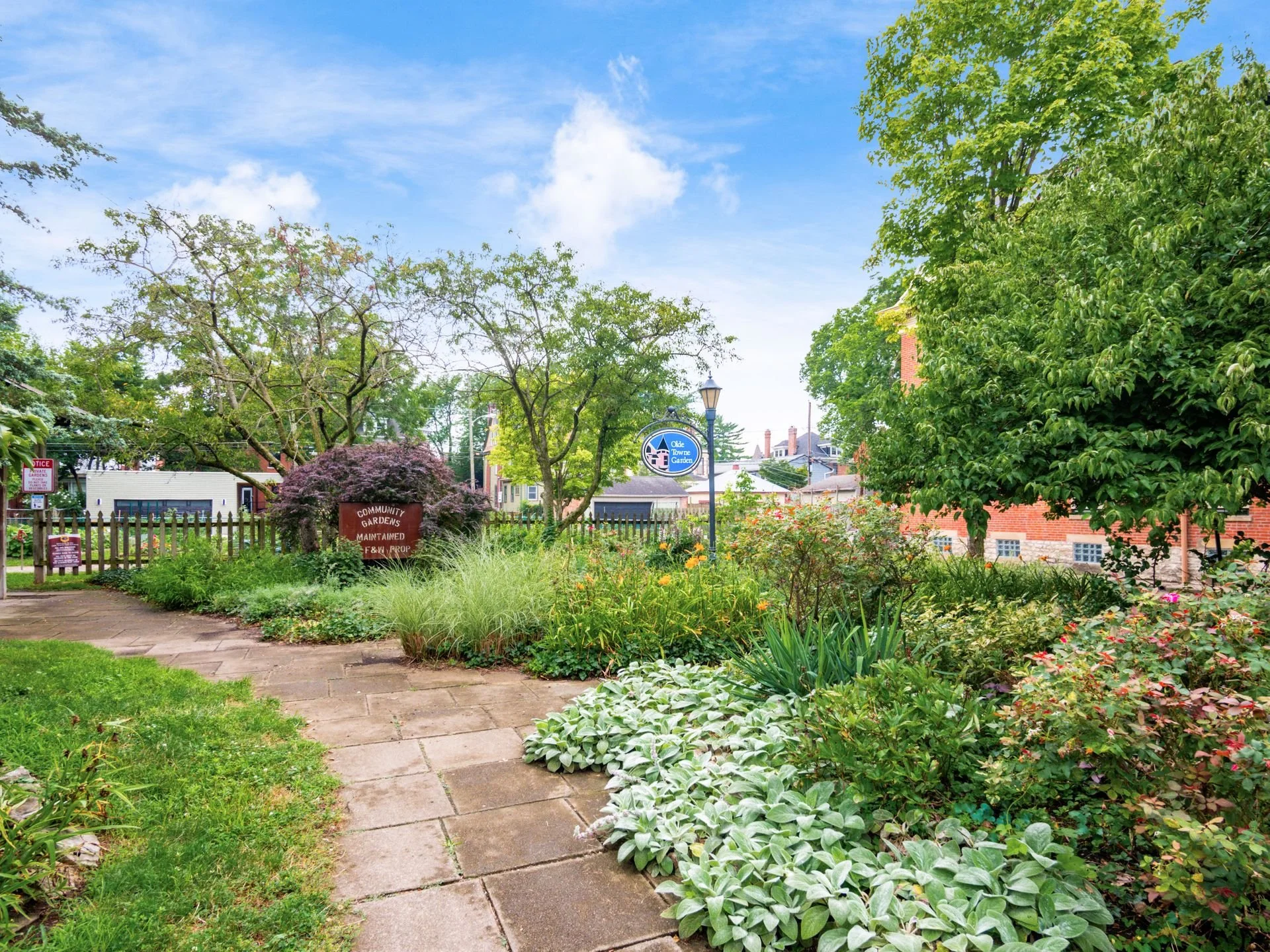
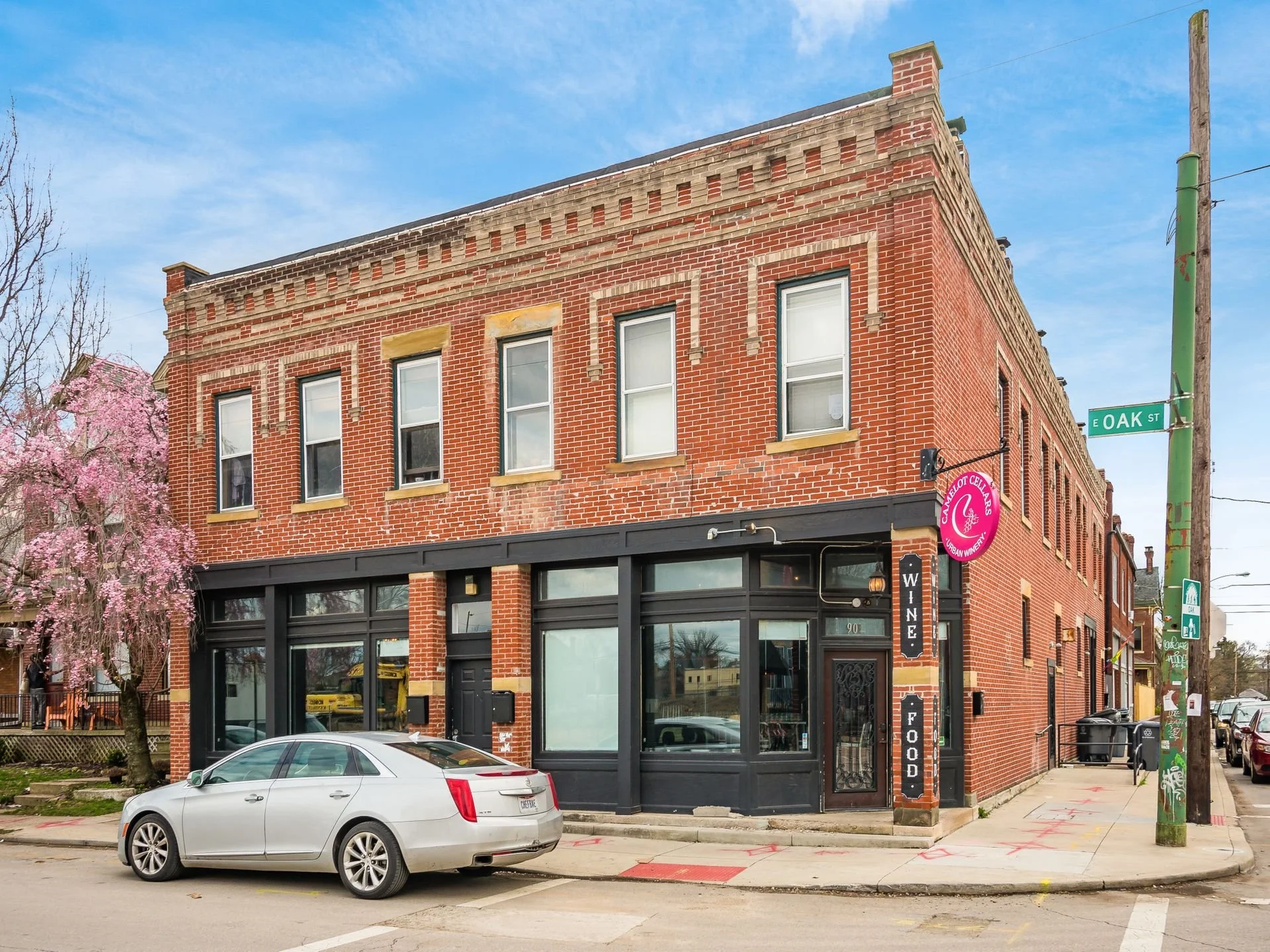
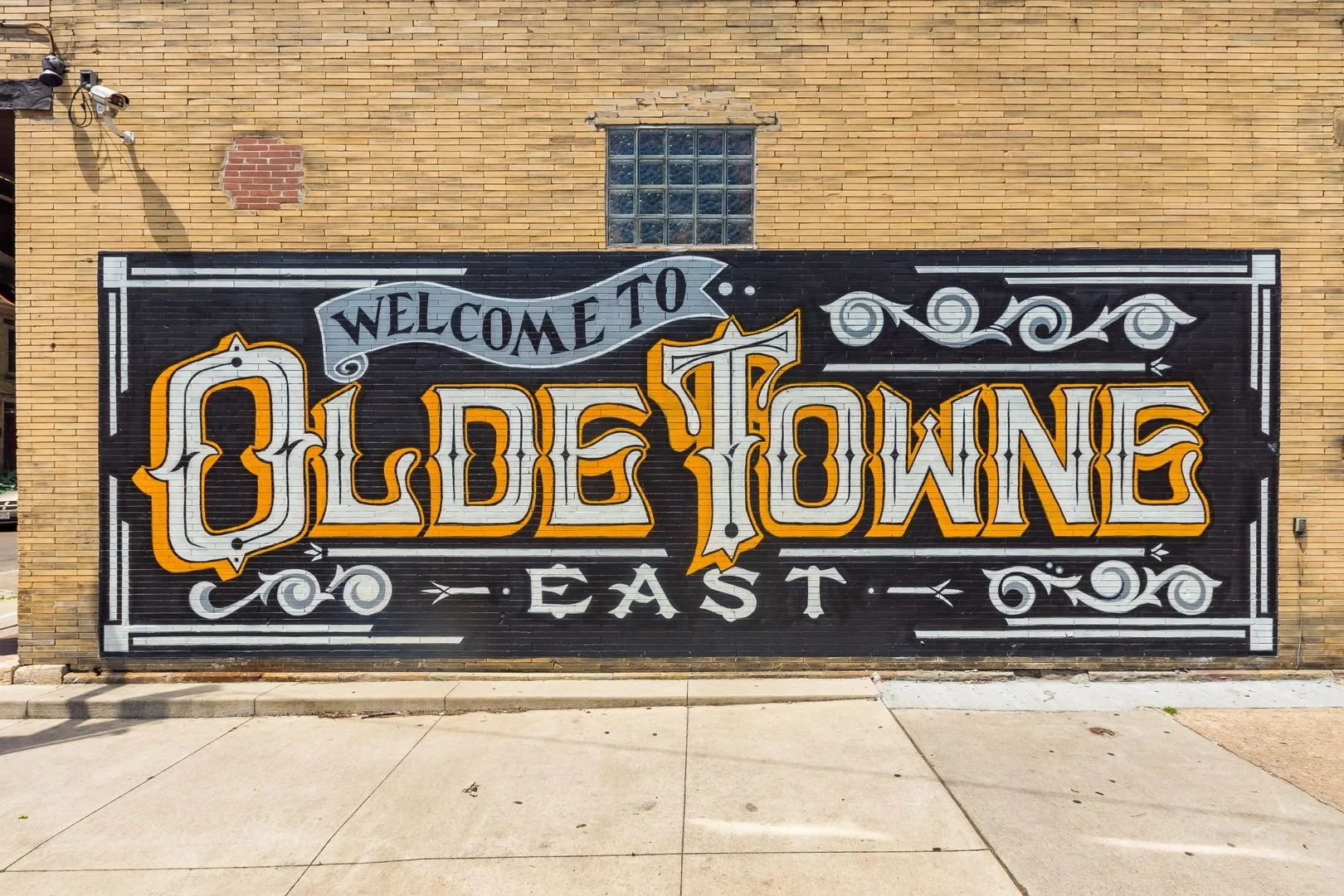
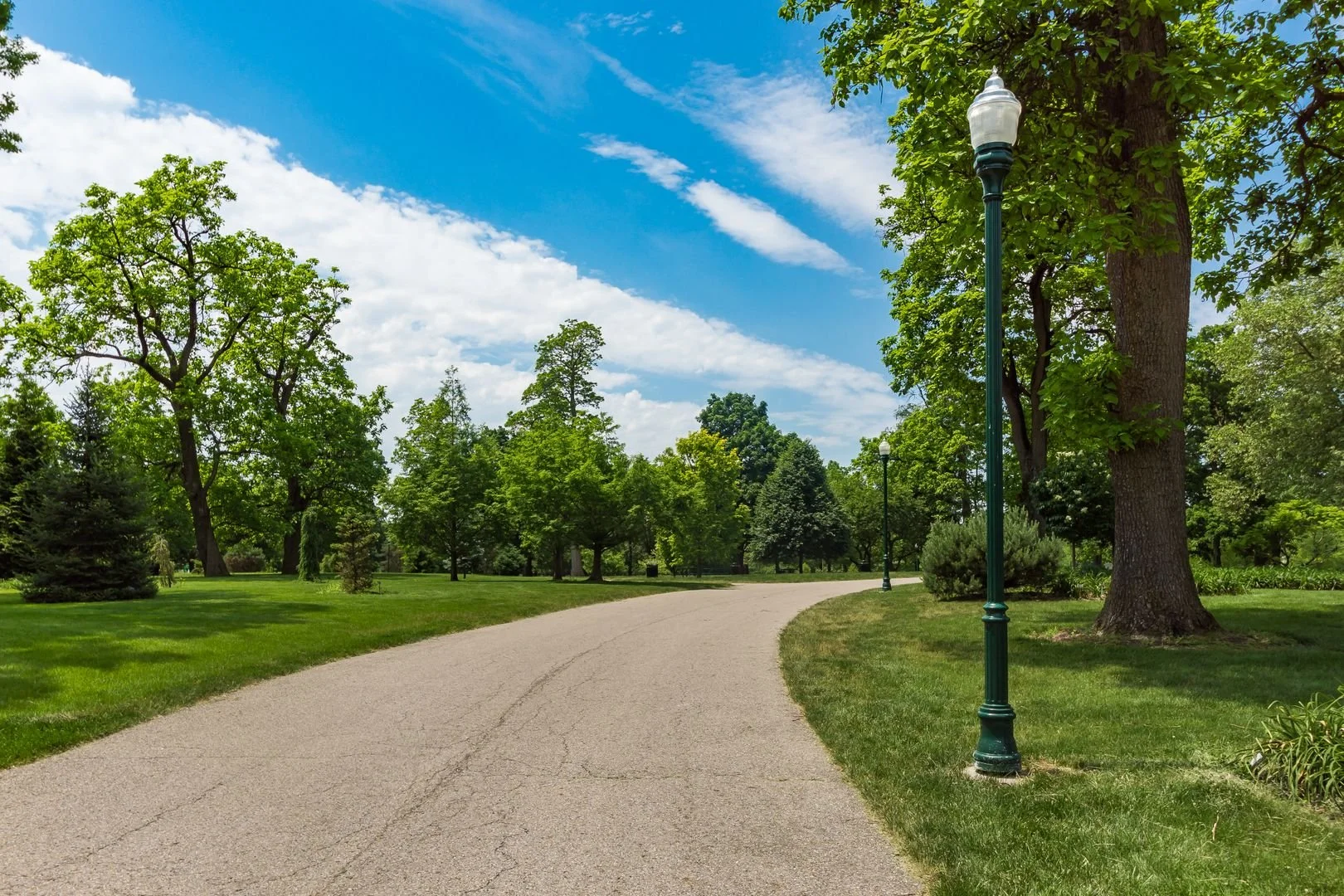
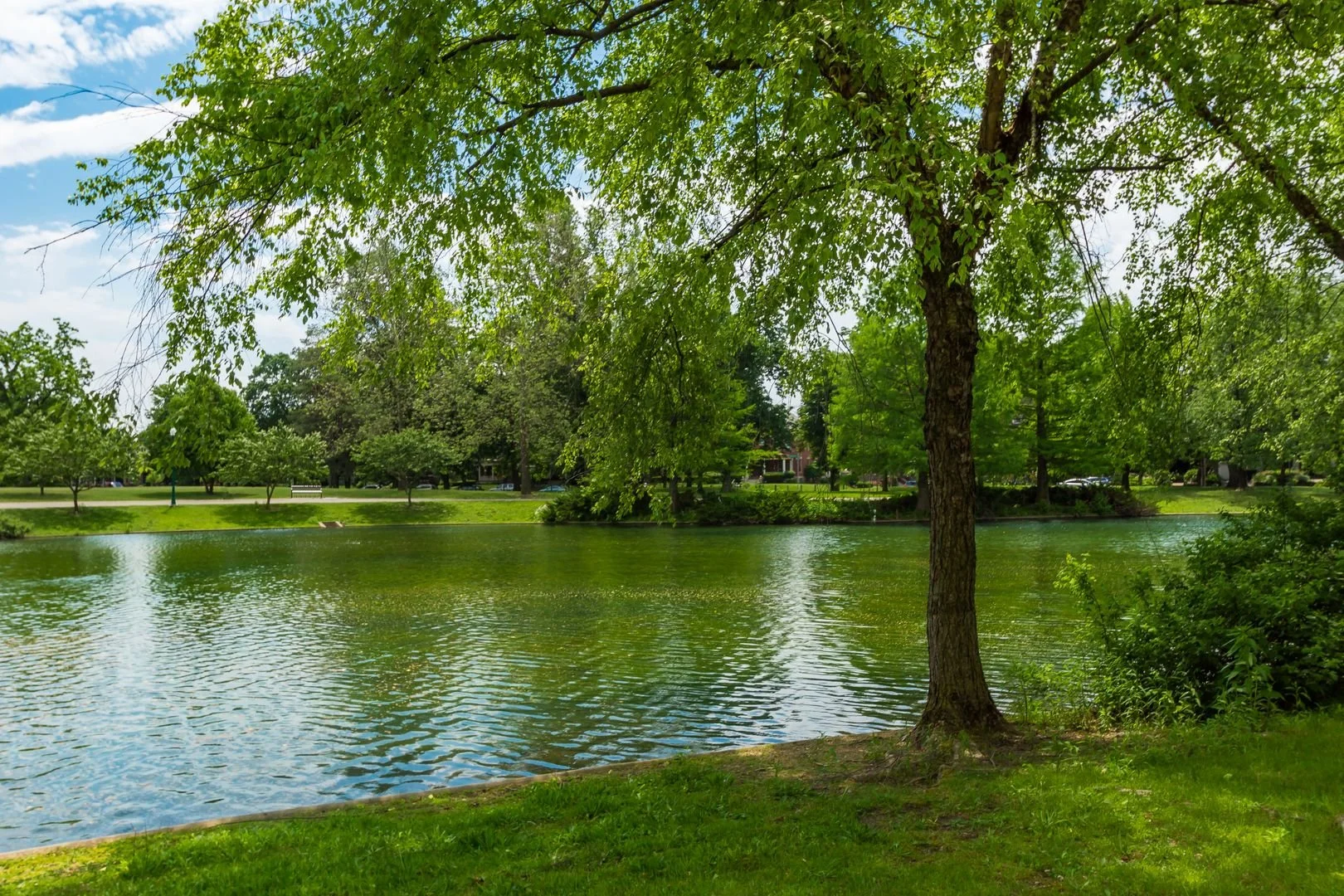
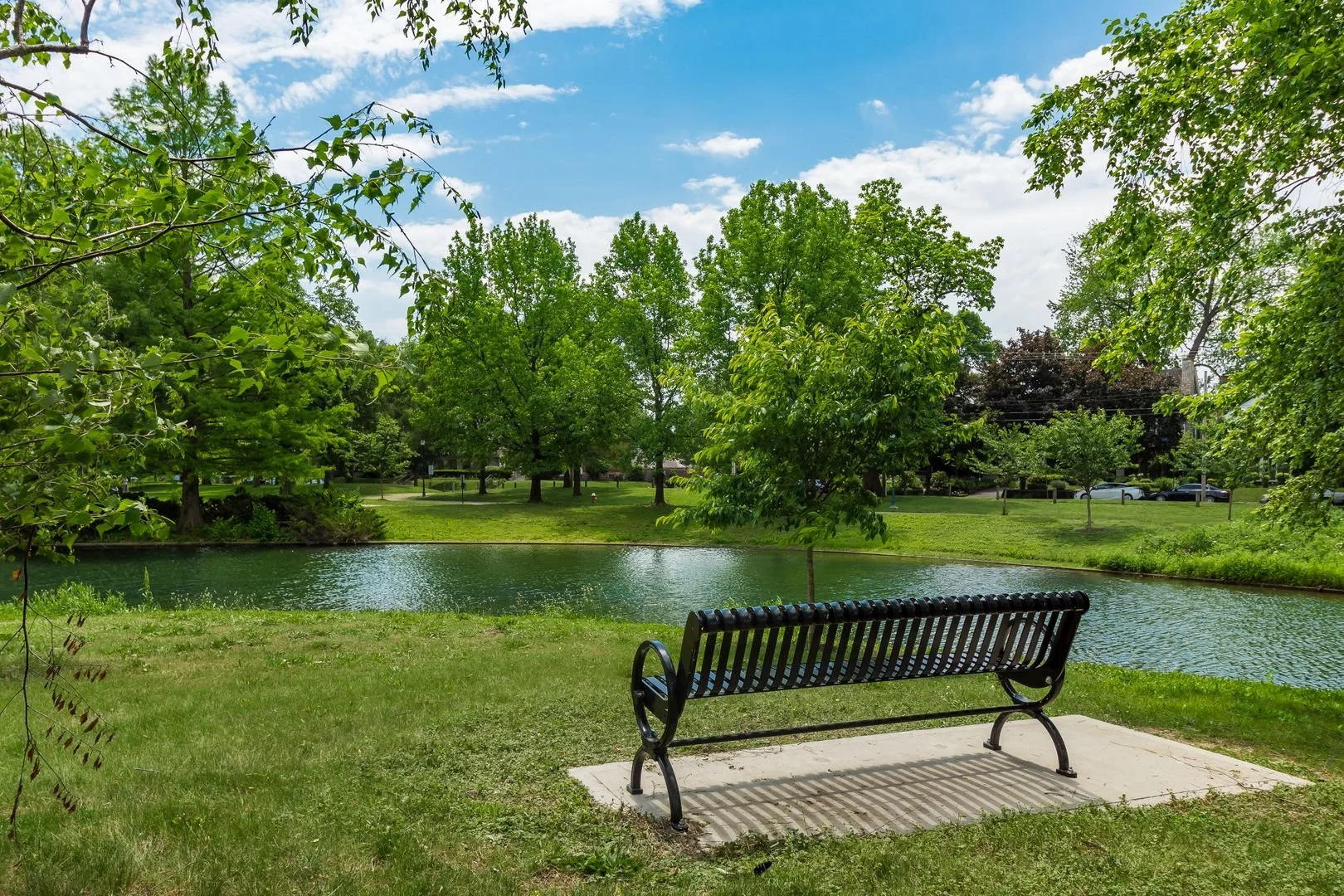
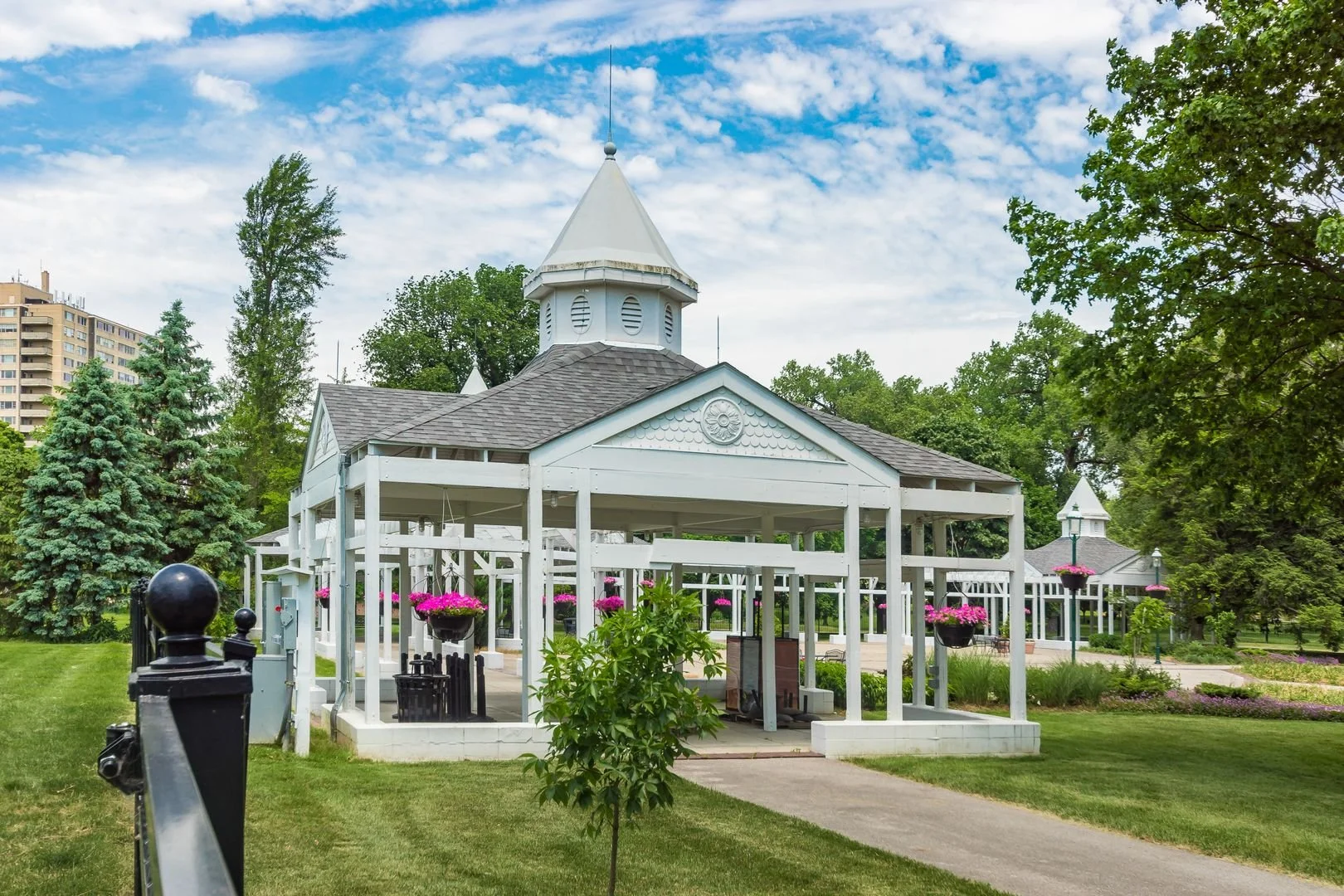
How Olde Towne East is organized
Olde Towne East reads as a grid of historic residential streets between two interstates, with its landmarks tucked into the western half and Franklin Park at its eastern edge.
The residential heart is Franklin Avenue and Bryden Road, running east-west through the neighborhood, lined with the Victorian-era homes the area is known for — Italianate, Queen Anne, and Gothic Revival houses, many of them brick, on narrow lots with front porches and mature trees. East Town Street, one block south of Broad Street, is the historic district street, home to the Kelton House and the East Town Street Historic District. Oak Street, Town Street, and Main Street run east-west below it; Parsons Avenue, Ohio Avenue, and Champion Avenue run north-south. The Bryden Road Historic District, created in 1989, protects the streetscape around Bryden Road, and the neighborhood's historic-preservation work is the reason so much of the 19th-century fabric survives.
The boundaries are one of the neighborhood's few arguments. According to the Olde Towne East Neighborhood Association, the neighborhood is bounded by East Long Street to the north, Interstate 70 to the south, Wilson Avenue and the alleys east of Latta Avenue and Kendall Place and Miller Avenue to the east, and Interstate 71 to the west. The eastern boundary is disputed with the Franklin Park neighborhood, and Google Maps draws the lines slightly differently. The draft uses the association's boundary. The MLS market figures below are not drawn on any of these lines: they are for Columbus (Corp.), the whole city, because the MLS does not publish a separate Olde Towne East area report.
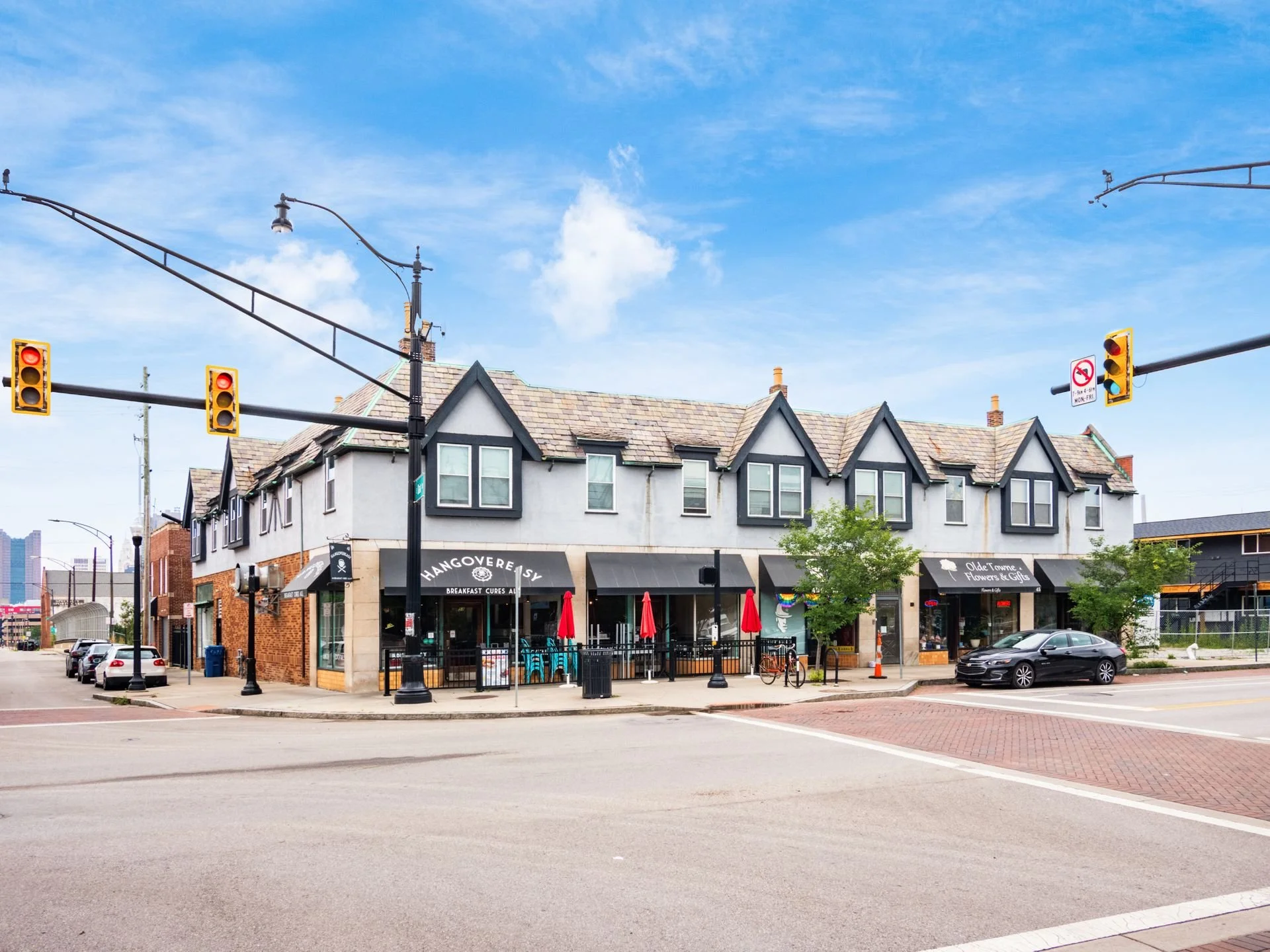
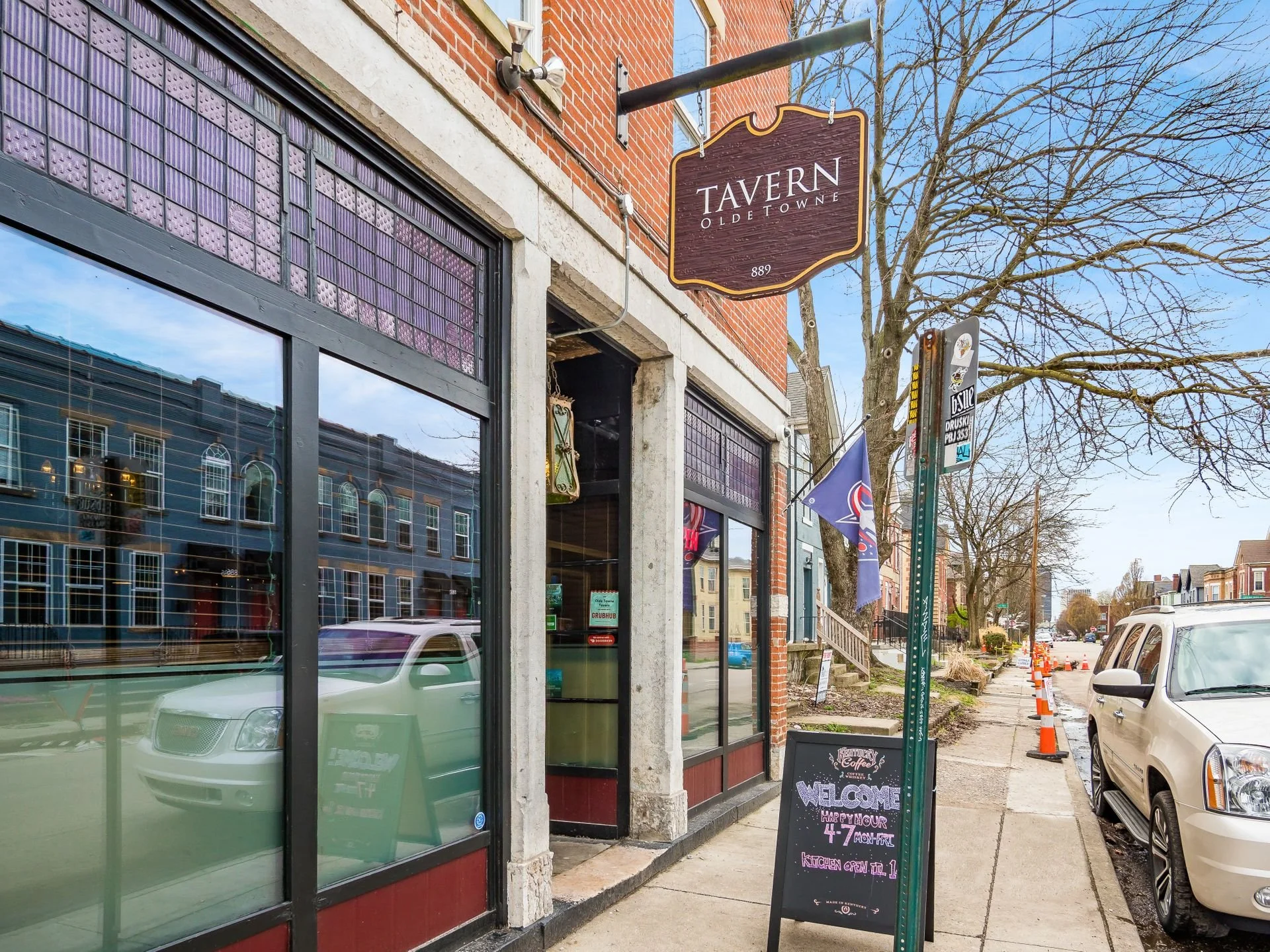
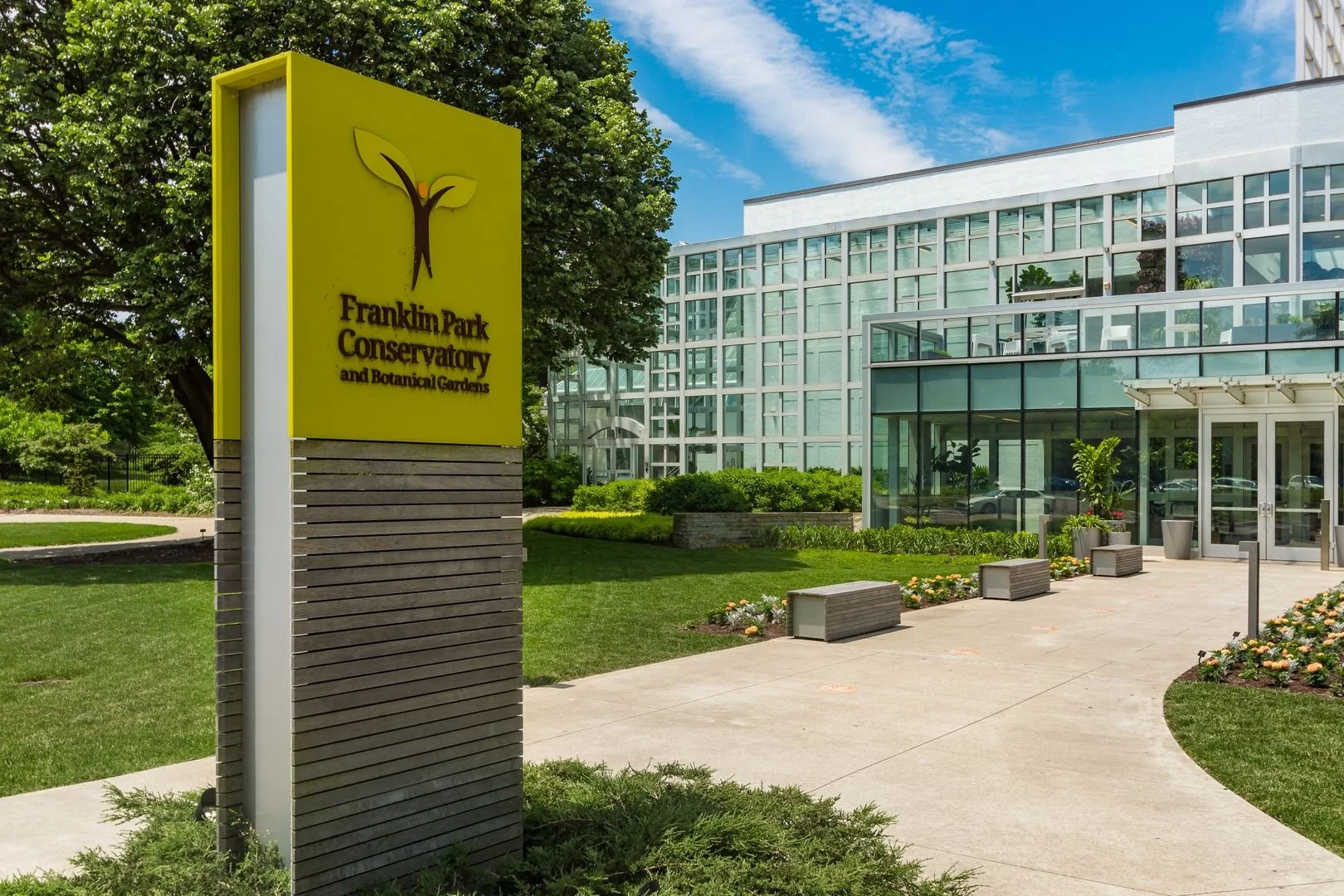
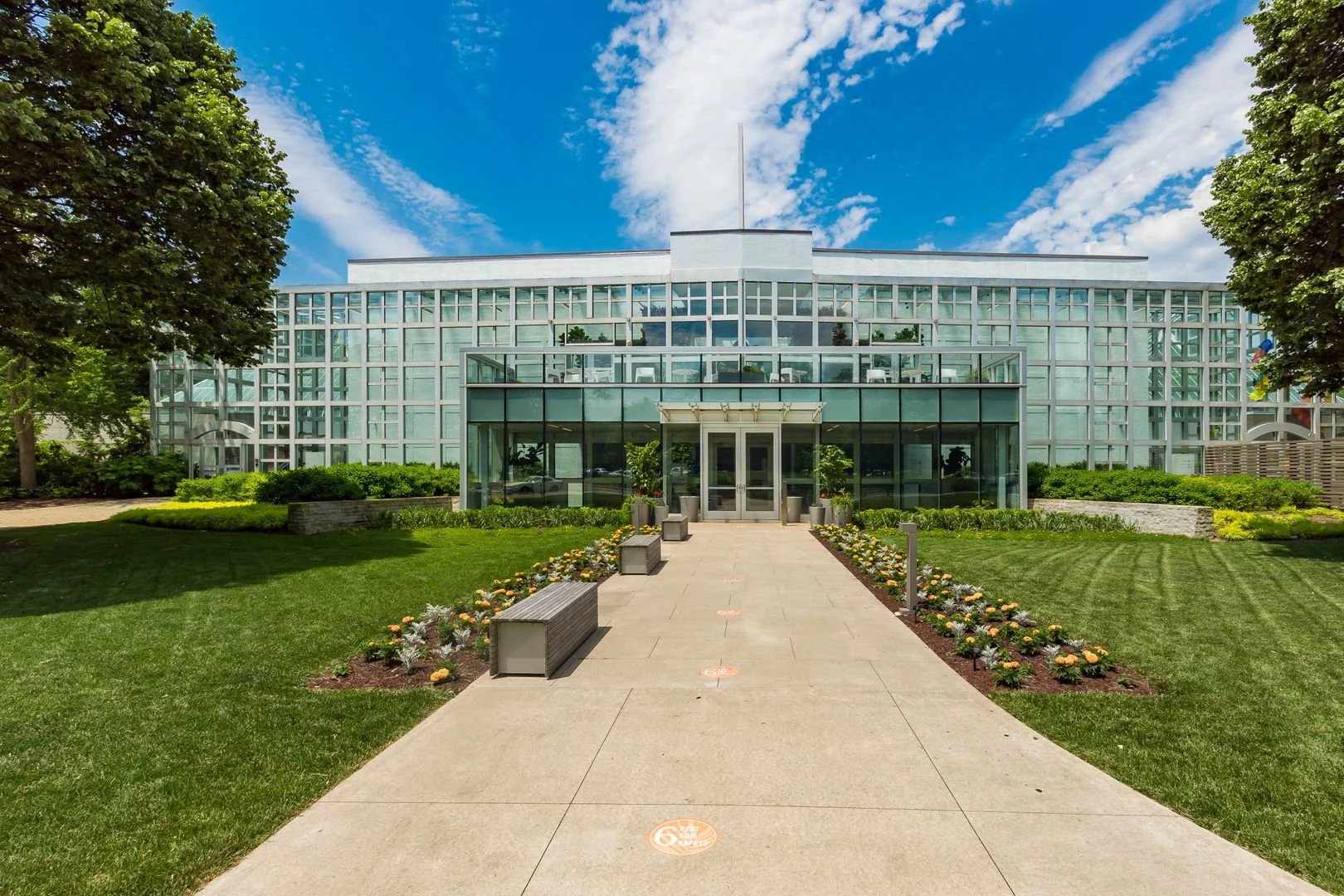
Parsons Avenue is the commercial spine. Between Bryden Road and Broad Street, the corridor has filled in recent years with bars, eateries, and small businesses, and the Hot Times Festival takes over the lawn of the Columbus Health Department at 240 Parsons Avenue every September. The Fran Ryan Center at 865 East Capital Street is the neighborhood's gathering place — the association meets there, and the Summer Tour of Homes starts there. Franklin Park, the 88-acre city park, sits at the neighborhood's eastern edge, with the Franklin Park Conservatory at 1777 East Broad Street just beyond it. The Lincoln Theatre at 769 East Long Street sits on the neighborhood's northern edge, in the King-Lincoln Bronzeville neighborhood next door.
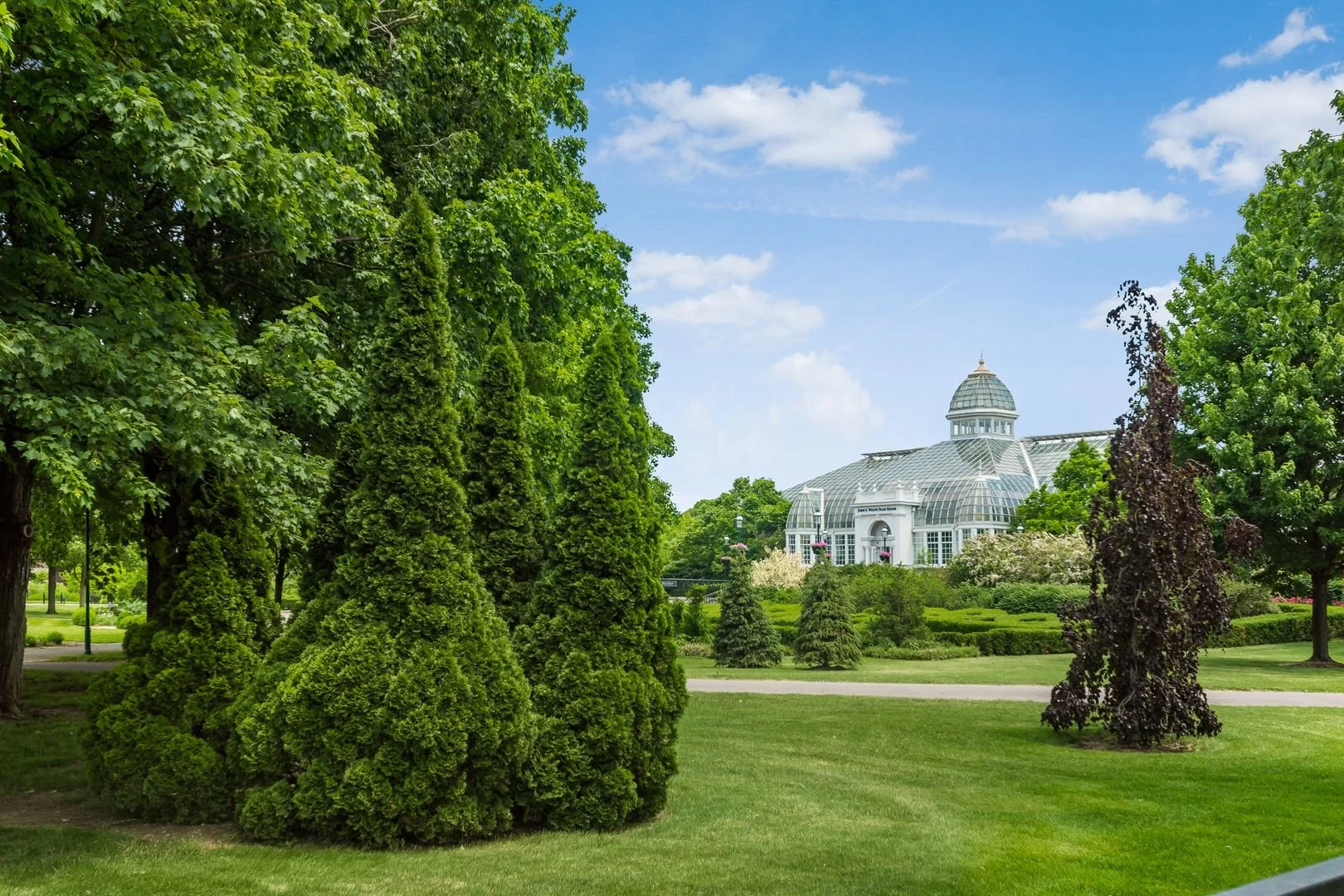
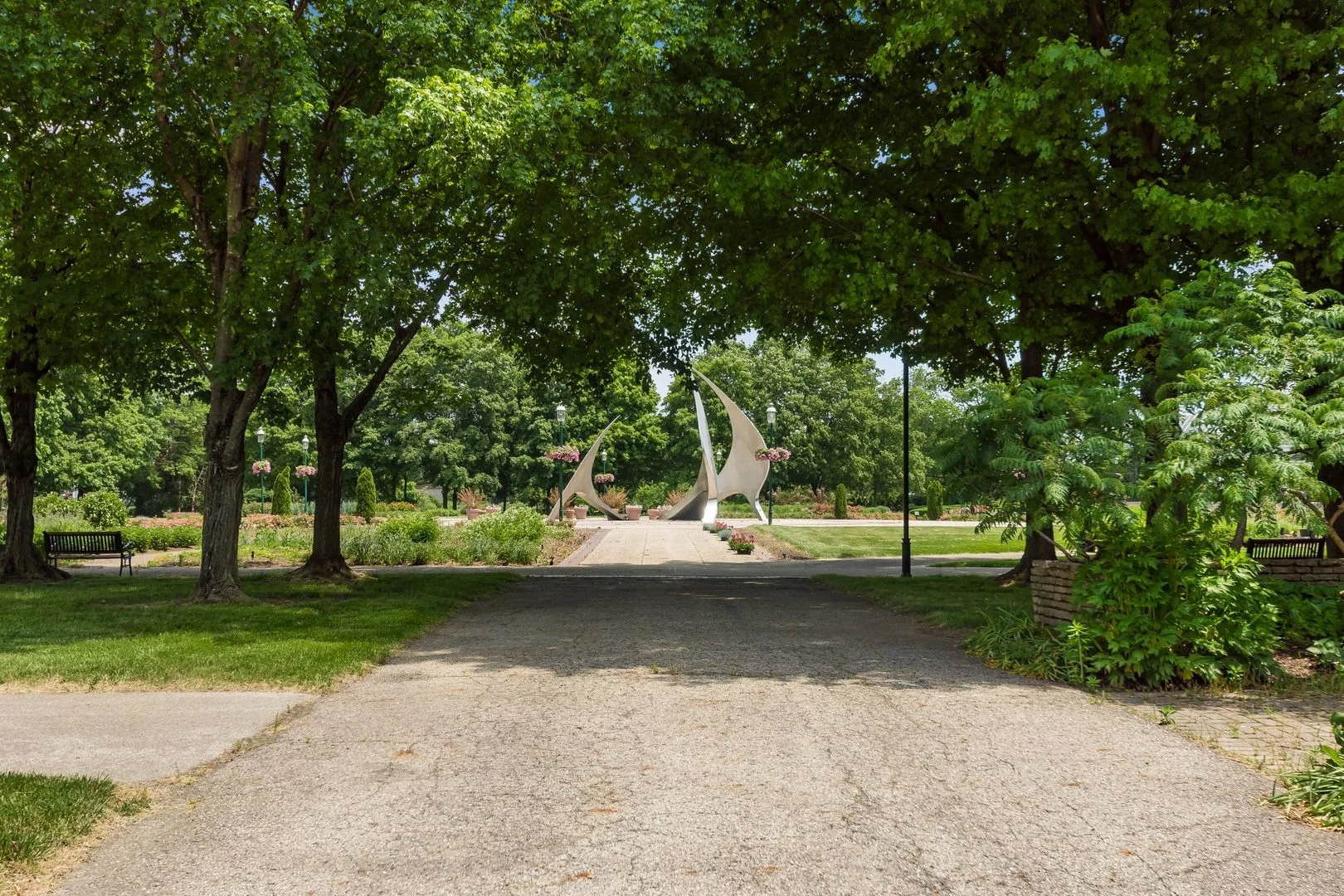
The landmarks are the neighborhood's calling cards. The Kelton House Museum & Garden at 586 East Town Street was built in 1852 and was a station on the Underground Railroad — the Keltons sheltered Martha Hartway and her sister Pearl there in 1864. It is closed now, damaged by a gas explosion and fire on November 3, 2025, with restoration underway and no reopening date set. Topiary Park at 480 East Town Street is a living recreation of Seurat's "A Sunday Afternoon on the Island of La Grande Jatte" in topiary — 54 people, eight boats, three dogs, a cat, and a monkey, the largest figure 12 feet tall — the world's only topiary representation of a painting, free and open dawn to dusk. The Franklin Park Conservatory at 1777 East Broad Street, just east of the neighborhood, holds more than 400 plant species and a signature Chihuly glass collection. The Lincoln Theatre at 769 East Long Street, on the northern edge, is the 1928 Egyptian Revival hall where jazz legends played, reopened in 2009 after a $13.5 million renovation.
Most of the neighborhood is in ZIP code 43205. Walk Score puts the population at 4,706.
A year in Olde Towne East
Olde Towne East runs on a neighborhood calendar, and living here means living with it — the tour in July, the festival in September, the garden concerts through the summer, and the holiday contests in December. The year starts with the cleanup: the Olde Towne East Trash Bash, the neighborhood's spring litter pickup, was held on Saturday, April 25, 2026. The association's general meetings run monthly on the second Wednesday at 7:00 p.m. at the Fran Ryan Center, with no meeting in December.
Summer belongs to the Tour of Homes. The Summer Tour of Historic Homes, hosted by the Olde Towne East Neighborhood Association, is held on the second Sunday in July — in 2026, Sunday, July 12, from noon to 5 p.m. — when eleven homes and gardens across the neighborhood open their doors to the public. The tour has been a neighborhood tradition since 1982, and it is the association's primary fundraiser: tickets are $20, and the money raised is used year-round to preserve, promote, and protect the neighborhood's history. The tour begins at the Fran Ryan Center and is self-guided and walkable, taking about two to three hours.
The music runs all summer. The Free Music in the Garden Series, a free monthly concert series, runs from May through September; in 2026 the dated performances were Sunday, June 28, Sunday, July 26, and Sunday, August 23, all from 6 to 8 p.m., and Sunday, September 27, from 5 to 7 p.m. The Trash to Treasure Yard Sale, a Near East Side yard sale with more than 75 participating households, is held on a Saturday in June. National Night Out was Tuesday, August 4, 2026, and World Porch Music Day — front-porch performances across the neighborhood — was Sunday, August 30, 2026.
September brings the Hot Times Festival, the community arts and music festival held on the lawn of the Columbus Health Department at 240 Parsons Avenue. In 2026 it ran Friday, September 11 through Sunday, September 13, free, with more than 40 artists on two stages across three days. The year closes with the decoration contests — the Halloween Decoration Contest in October and the Winter Holiday Decoration Contest in December — and the Holiday Hooplah, the association's festive December potluck dinner. Dates move year to year; check the association's calendar before planning around any of them.
The houses themselves
Read Olde Towne East's streets and you read its building history. Most of the housing stock dates from the neighborhood's first decades — Victorian-era single-family homes on the historic grid, from modest brick houses to the great showplaces on Franklin Avenue and Bryden Road — with rental units mixed in where the old mansions were partitioned, and newer apartments and townhomes layered on, above all along the Parsons Avenue corridor and on the neighborhood's edges. The neighborhood association's own count is more than 1,000 homes, some built as far back as the 1830s, in more than 50 architectural styles.
The two pockets read differently. The historic grid is the old stock: 19th- and early-20th-century homes, many of them brick, with the ornament — turrets, wraparound porches, decorative gables, stained glass — that the neighborhood is known for, on narrow lots close to the parks and the Parsons Avenue corridor. The newer pocket is the multifamily wave: seven multifamily developments have opened in the area over the past seven years, according to Columbus Business First, adding modern apartment buildings next door to Victorian homes with wraparound porches. Across the neighborhood, the sales mix is small and lumpy — a subdivision-level report counted 36 sales in Olde Towne East over the twelve months through November 2026 — so a single large closing can move the neighborhood's own numbers sharply. That is why the market figures in the next section are drawn from the whole city of Columbus, not the neighborhood alone.
The Olde Towne East market right now — 2025 vs 2026
| Olde Towne East home sales | 2025 | 2026 | Change |
|---|---|---|---|
| Homes sold | 52 | 45 | −13.5% |
| Average sale price | $428,069 | $462,891 | +8.1% |
| Median sale price | $397,400 | $445,000 | +12.0% |
| High sale | $790,000 | $899,900 | +13.9% |
| Low sale | $75,000 | $110,000 | +46.7% |
| Average price per sq ft | $200.61 | $213.89 | +6.6% |
| Average days on market | 66 | 51 | −15 days (−23%) |
| Average % of list price | 96.5% | 98.6% | +2.1 pts |
| Sales at $1M+ | 0 | 0 | — |
2025 is the full calendar year; 2026 covers January 1 – November 26, 2026, so the homes-sold count is not a full-year comparison. Source: Columbus and Central Ohio Regional MLS, FlexMLS CMA run Nov 26, 2026. Inside Olde Town East Neighborhood.
What buyers should know
Expect a small market. With roughly three dozen sales a year in the neighborhood, the right home may only appear a few times a year in a given price range — and the citywide figures above describe Columbus, not Olde Towne East. Being ready — financing lined up, priorities settled — matters more here than watching and waiting.
Walk, don't drive — and check the parking. With a Walk Score of 73, daily errands, the parks, and the Parsons Avenue corridor are on foot for most addresses, and downtown is just across the interstate. But parking is the practical question: garage, lot, or street, and what the rules are for the specific block — many of the historic homes were built before the car.
Price the era, not just the address. Much of the stock was built in the neighborhood's first decades, with the newest product concentrated in the multifamily wave along the corridor. Budget and plan for the difference between a restored home and an original one, and look closely at systems, not just finishes — a 1926 house with its original details is a different proposition from the same architecture with the renovation already done.
The story is part of the value. Provenance matters here in a way it does not in a newer suburb. A house designed by Ohio's first licensed female architect, or one on a historic-district street, carries a premium that an automated estimate will not see — and a buyer who understands the history is the buyer who pays it.
Mind the calendar. The Summer Tour of Homes fills the neighborhood on the second Sunday in July, the Hot Times Festival takes over Parsons Avenue in September, and the garden concerts run all summer. That energy is why people buy here — and it is worth spending an evening in the neighborhood before offering, so the weekend version of it is not a surprise.
Get in before the public launch. Well-prepared Olde Towne East homes still draw multiple offers — Nick's 878 Franklin Avenue drew them from a single open house — and sellers here receive close to full list on average. Our Private Exclusives and Coming Soon pipeline is often where an Olde Towne East search starts — tell us what you are looking for through the buyer questionnaire below and we will keep you in that loop.
What sellers should know
Stage and photograph before Coming Soon. Ideally, all staging and photography are done before your home is listed as Coming Soon. The 3D tour, floor plans, and video can follow between Coming Soon and going Active on the list date. Sellers — and pets — should be out of the house for staging, photography, and the 3D tour.
Build demand in phases. A Private Exclusive phase, then Coming Soon, then Active gives demand time to build in stages, instead of spending your first weekend all at once. In our experience, homes marketed as Coming Soon, rather than launched straight to the public, draw the strongest price and terms — a full public launch is not the stronger play for top price. Nick's sale is the example: a teaser campaign, then a full launch, then multiple offers from a single open house.
Price from evidence, not algorithms. With few direct comparables on the market at any one time — and a spread from restored Victorian showplaces to original-condition homes and new apartments — pricing is a judgment call that has to be argued from recent closings across the Near East Side, not from an automated estimate. Start with a proper valuation, below.
Condition carries extra weight now. With inventory up across the city and buyers getting more choice, they still choose the fresh, well-prepared listing first. A well-prepared historic home still moves quickly; a tired one sits while the fresh listings get the showings.
Tell the house's story. If your home has a designer, a history, or a place on a historic-district street, that is marketing, not trivia. The Rector house sold $15,000 over list in part because buyers understood what they were buying. The history is part of the price.
Get access to Private Listings
Fill out the form to receive our comprehensive list of off-market listings.