Bexley, Ohio
North, Central, and South Bexley — the houses, the market, and what it actually takes to buy or sell here.
Bexley at a glance
Bexley is a city in its own right — about 2.5 square miles, entirely surrounded by Columbus, sitting on the east bank of Alum Creek just east of downtown. It was incorporated as a village in 1908, when two older settlements merged at Main Street: Bullitt Park to the north and Pleasant Ridge to the south, the community that grew up around Capital University after the university moved to East Main Street in 1876. Bexley became a city in 1932.
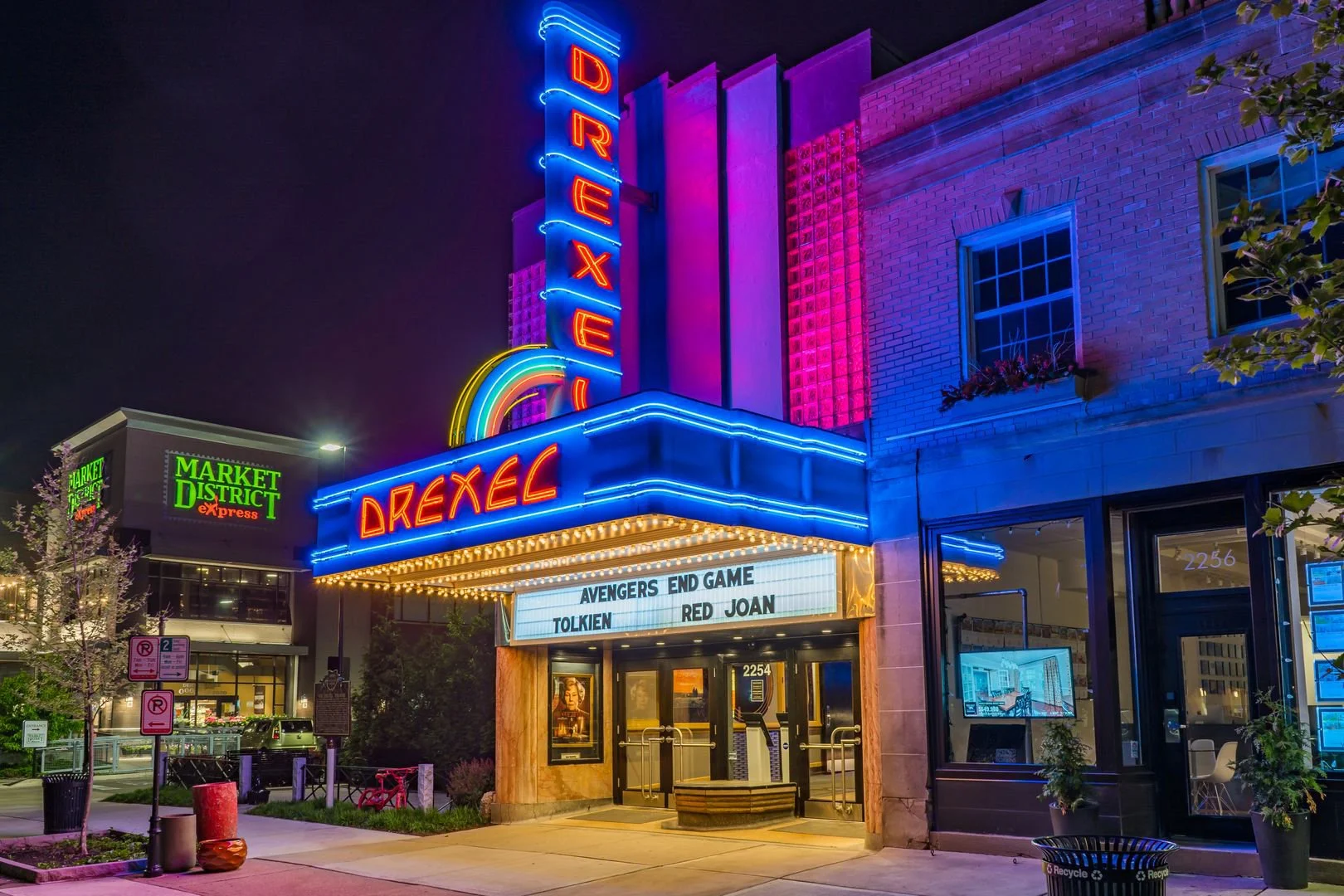
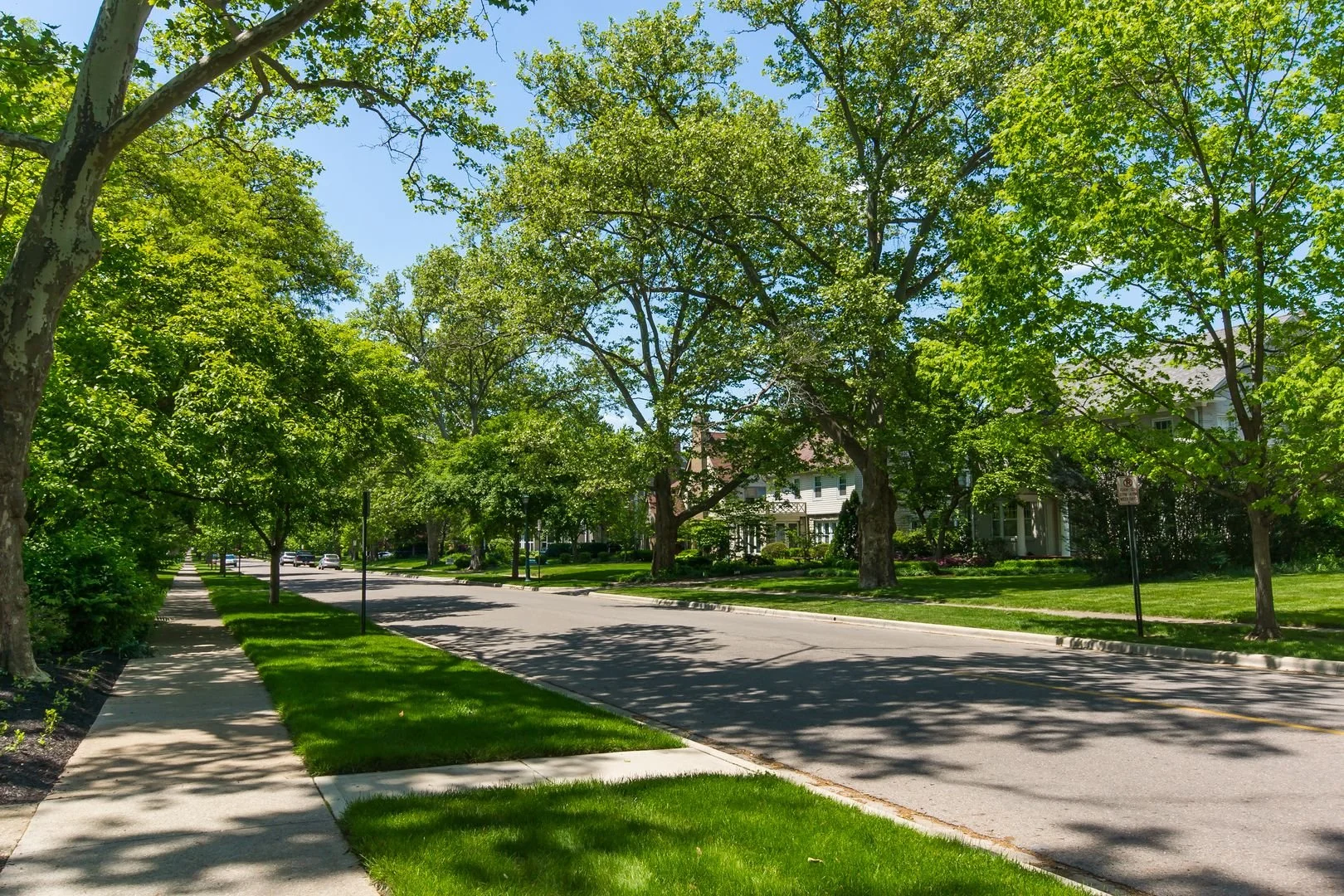
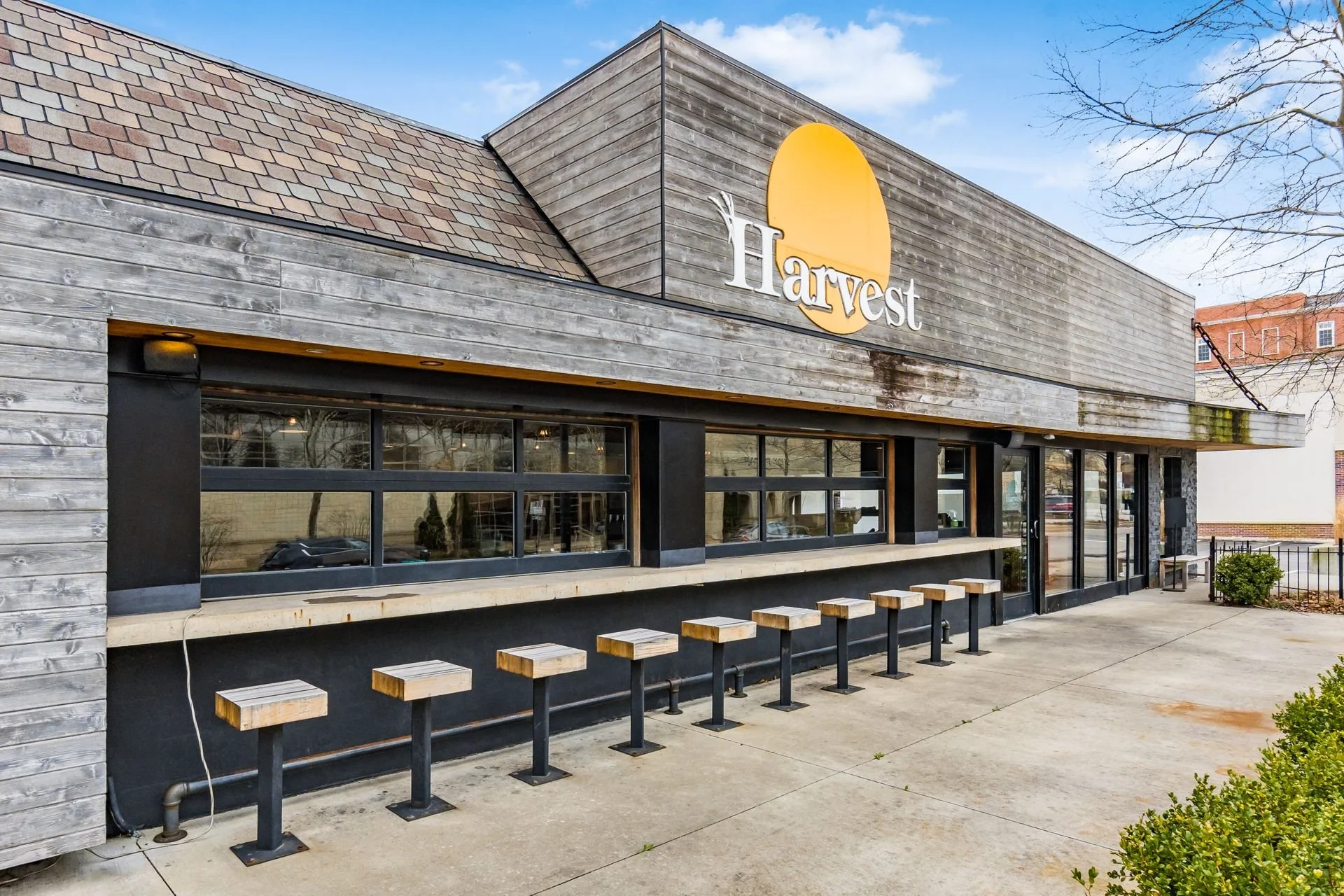
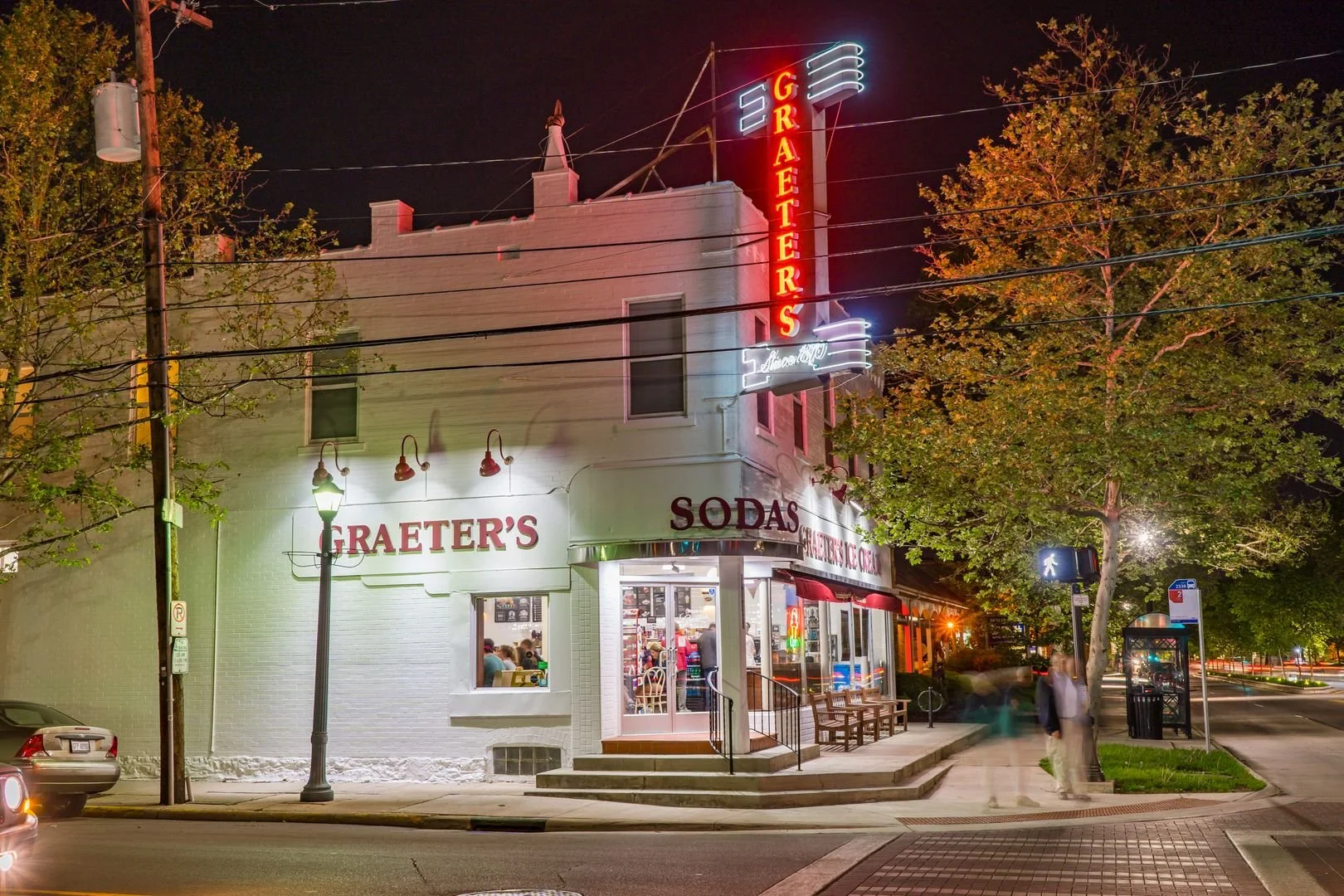
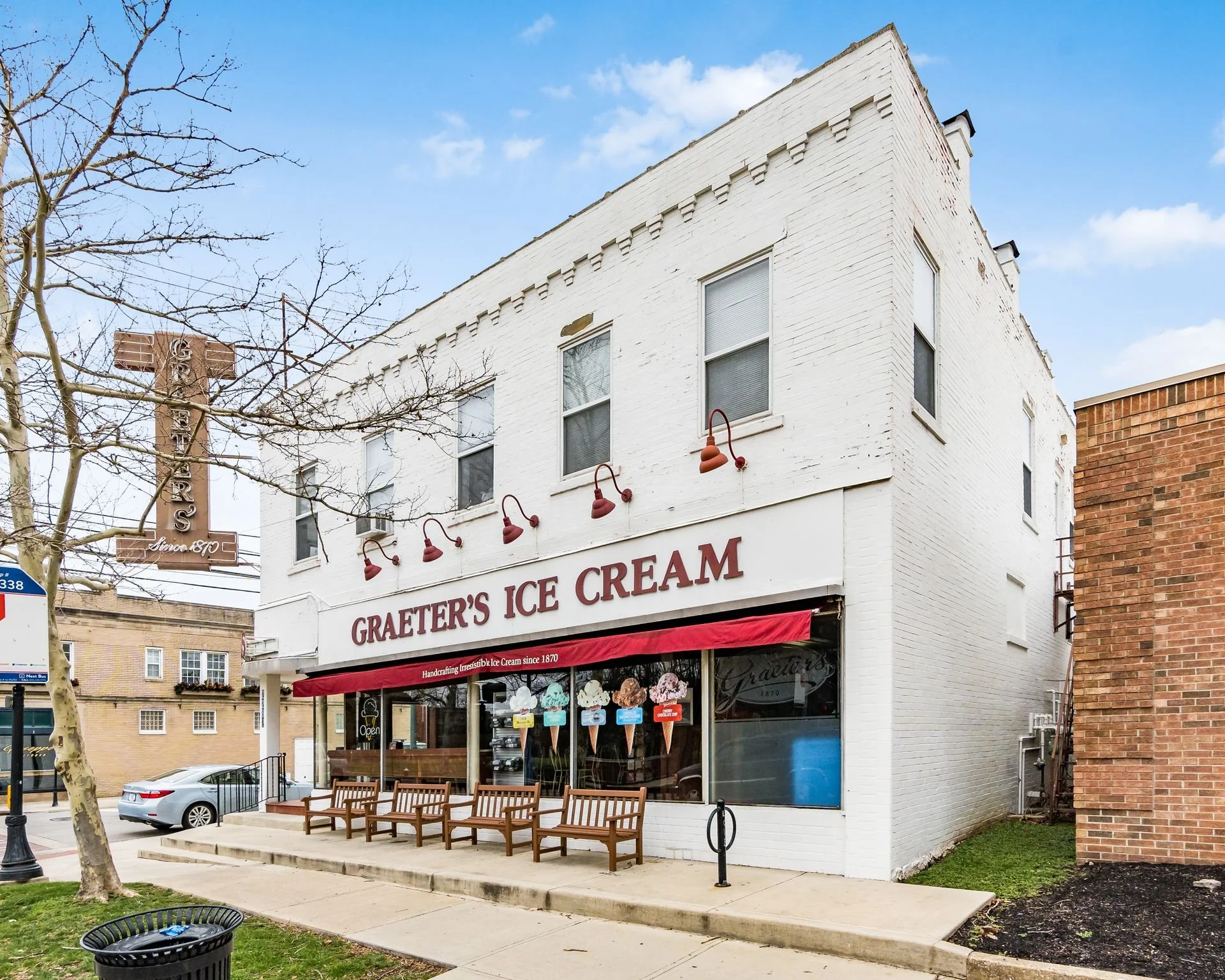
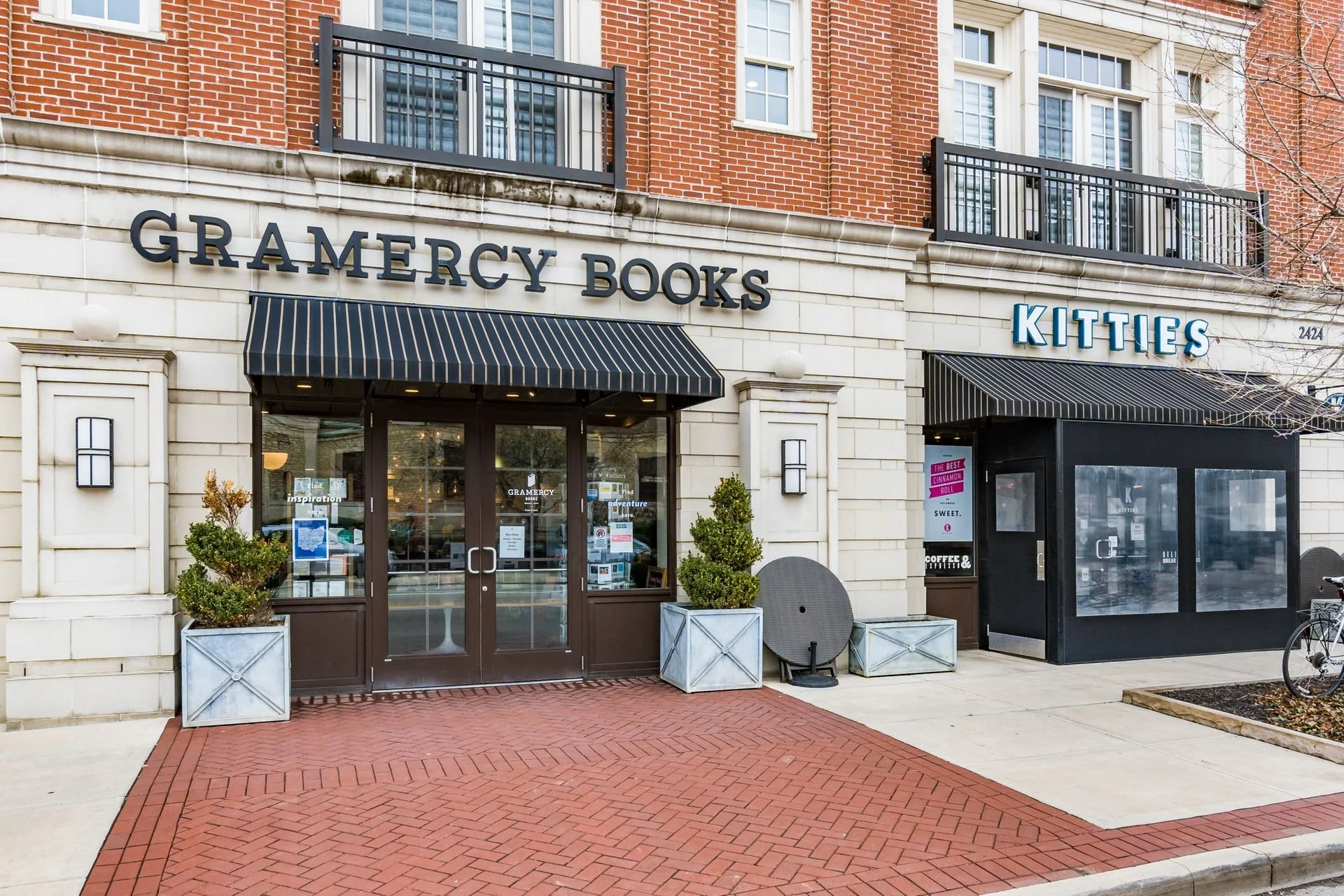
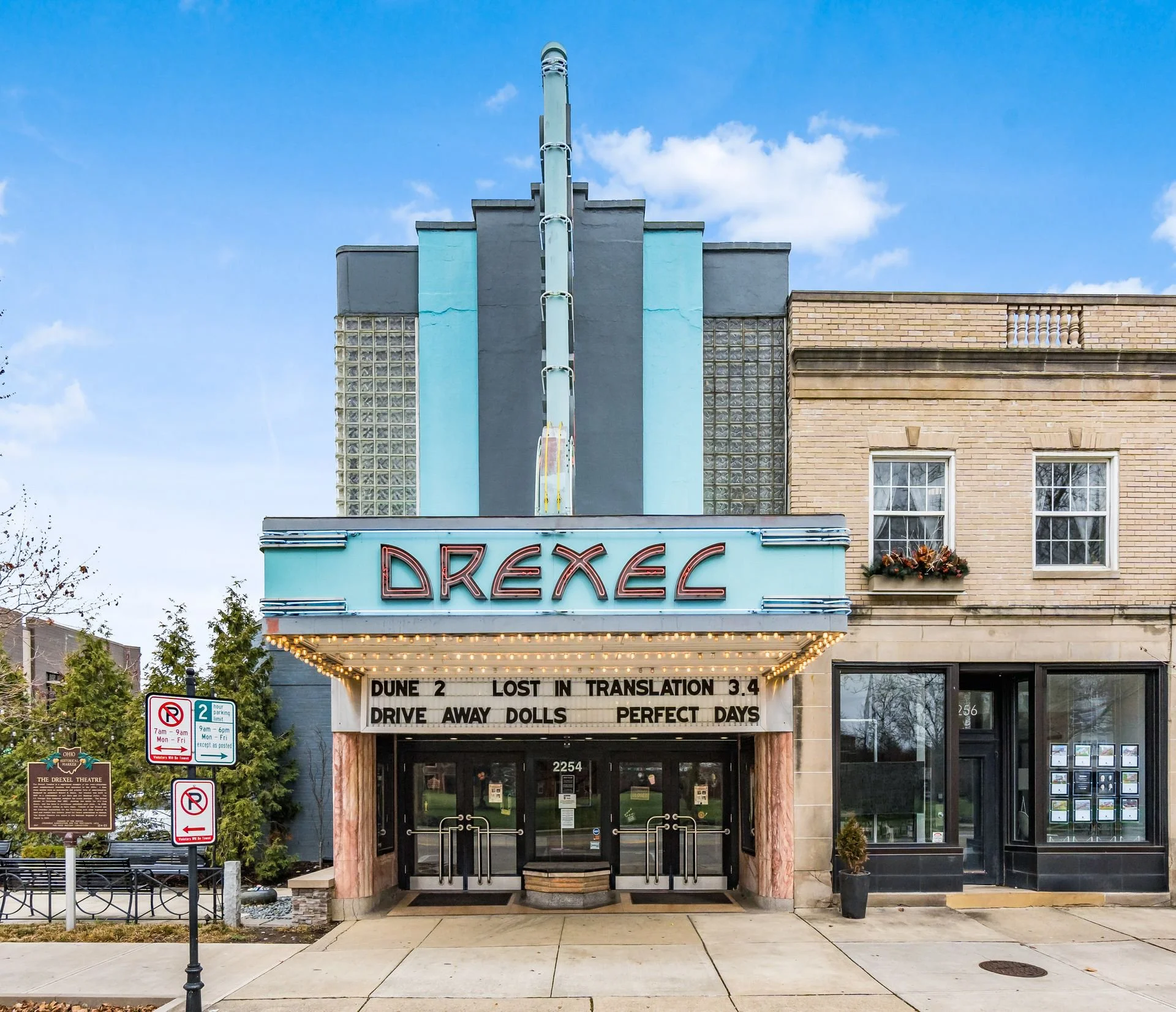
Two things shape daily life here more than anything else. The first is that Bexley is, literally, an arboretum. In March 2013 the City of Bexley was accredited as an arboretum by the Morton Register of Arboreta — the first city in the United States to earn arboretum accreditation, at Level II. The whole city is the arboretum: more than 14,000 trees managed by the city forester, roughly 40% tree canopy, and more than 100 woody plant species. It is not a marketing line — it is why nearly every block is shaded, and why the canopy is a real factor in how Bexley streets look and feel. The second is East Main Street itself, a working commercial corridor — the Drexel Theatre, the public library, restaurants, coffee shops, and local businesses — running straight through the middle of the city, with residential streets on both sides.
Location: East of downtown Columbus, on Alum Creek; surrounded by Columbus on all sides.
Incorporated: Village in 1908 (Bullitt Park + Pleasant Ridge); city in 1932.
How Bexley is organized: three areas
Ask anyone in Bexley where a house is and you will hear one of three answers. The city divides informally — but consistently — into North, Central and South Bexley, split by its two great east–west streets, Broad Street and Main Street. Each of the three areas has its own elementary school, and the housing changes noticeably as you move from one to the next.
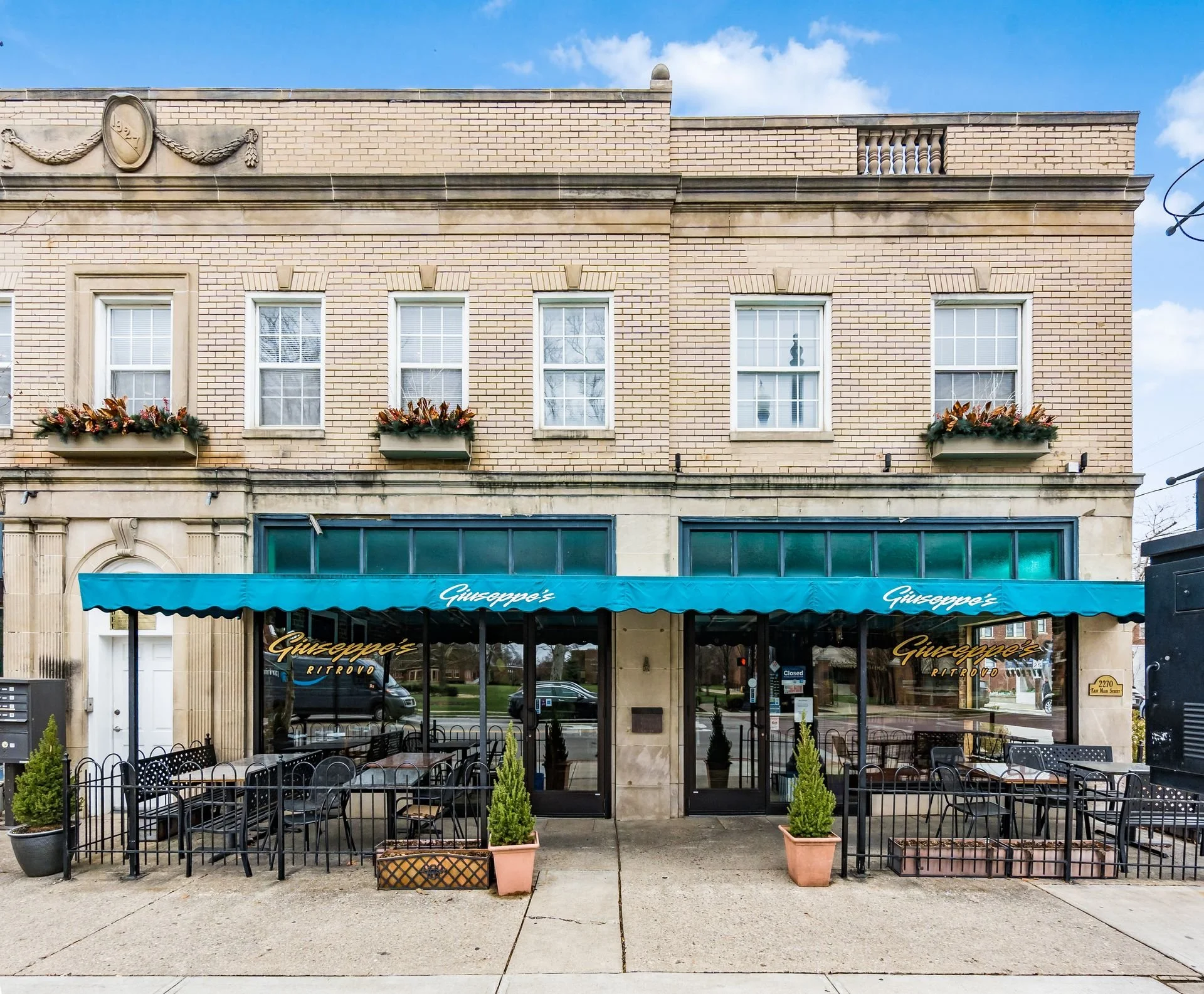
The walkability story sits in the middle of the map. Central and South Bexley are considered the more walkable parts of the city because the border between them is East Main Street itself — the street with the shops, restaurants, theatre, and library. Live in Central or South Bexley and Main Street is the street you walk to; live in North Bexley and it is a short drive or bike ride away.
North Bexley
North of Broad Street is where Bexley's original Bullitt Park development took hold in the 1890s, when prominent Columbus residents built large homes east along Broad Street and toward Franklin Park. That origin is still legible today: North Bexley holds the city's largest homes and estates, on its largest lots, along wide, heavily treed streets.
The landmark is Jeffrey Mansion and Jeffrey Park, on the western edge near Alum Creek — a park with woodland paths along the creek, open lawns, recreation facilities, and the historic mansion itself, which hosts community programs and events. The Ohio Governor's Residence is also in North Bexley.
What that means in practice for buyers: this is where the top of the Bexley market lives. Homes are predominantly early-20th-century brick and stucco — Tudor Revival, Colonial Revival, and Georgian styles — many of them substantially renovated, and the largest properties trade well into seven figures. Inventory is thin even by Bexley standards, and well-prepared listings here draw attention from across the Columbus metro.
Elementary school — North Bexley: Maryland Elementary School, 2754 Maryland Ave. Bexley City Schools.
Central Bexley
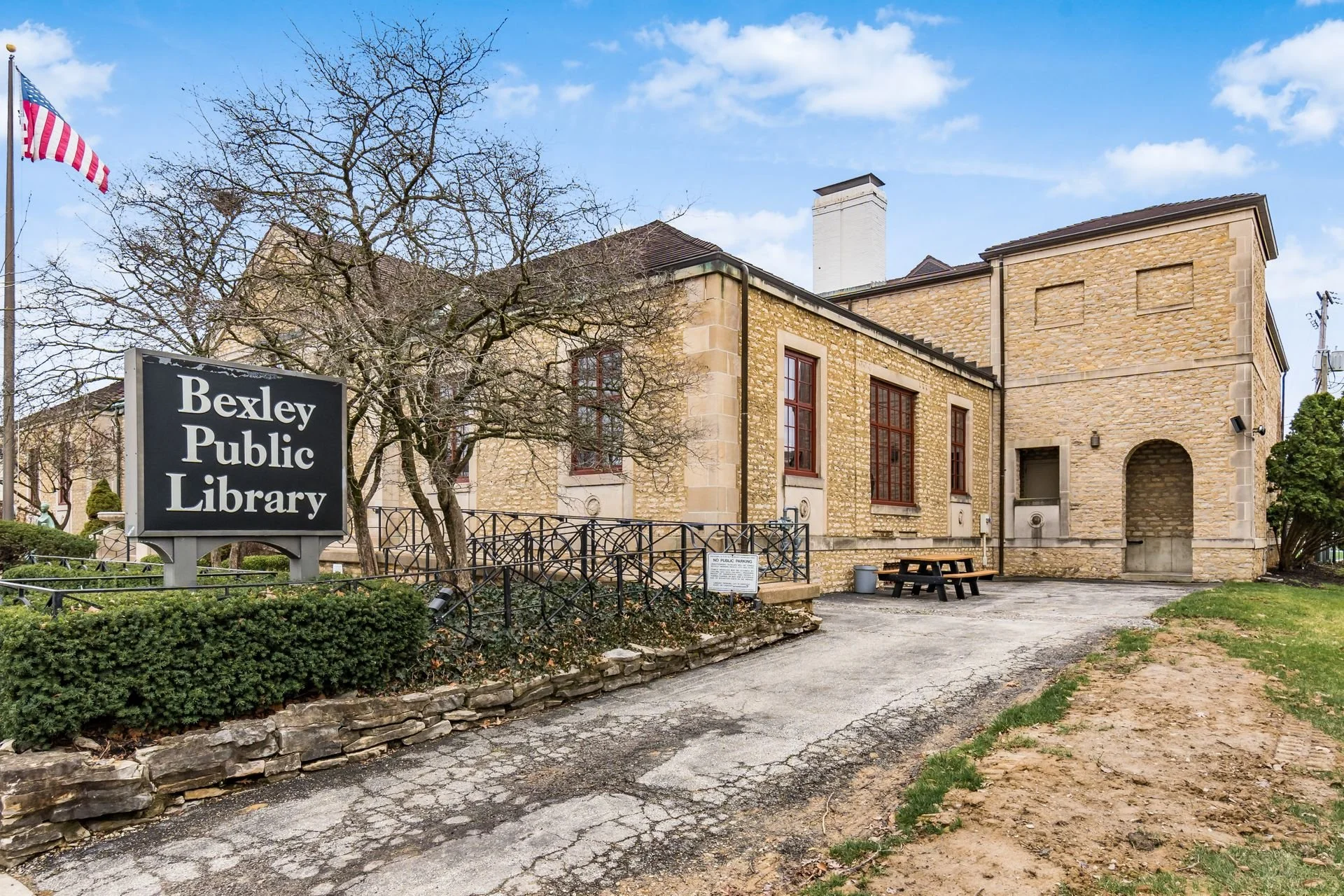
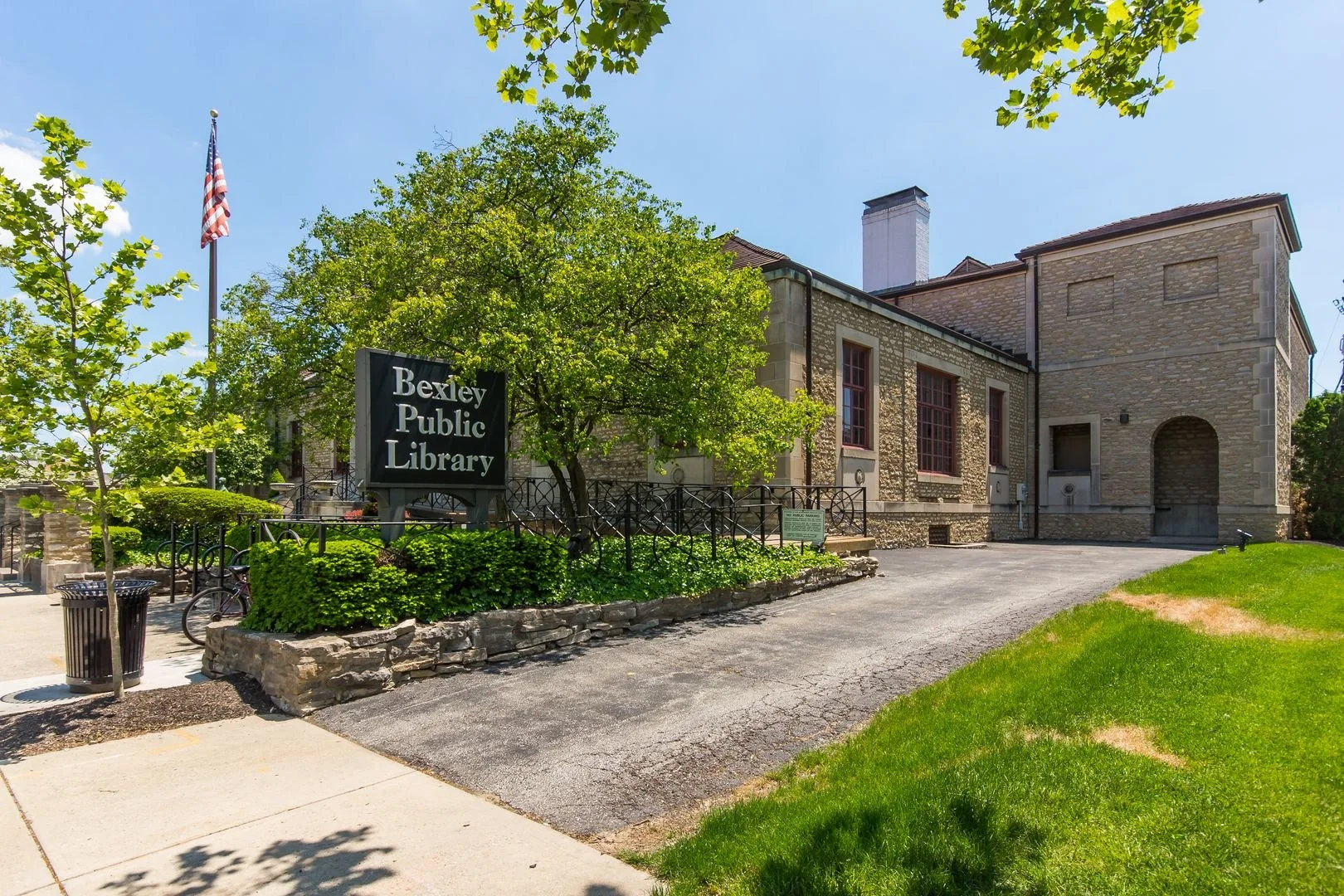
Central Bexley, between Broad Street and Main Street, is the city's center of gravity. The Bexley City Schools campus sits here, on Cassingham Road. So do Bexley City Hall and the Bexley Public Library on Main Street.
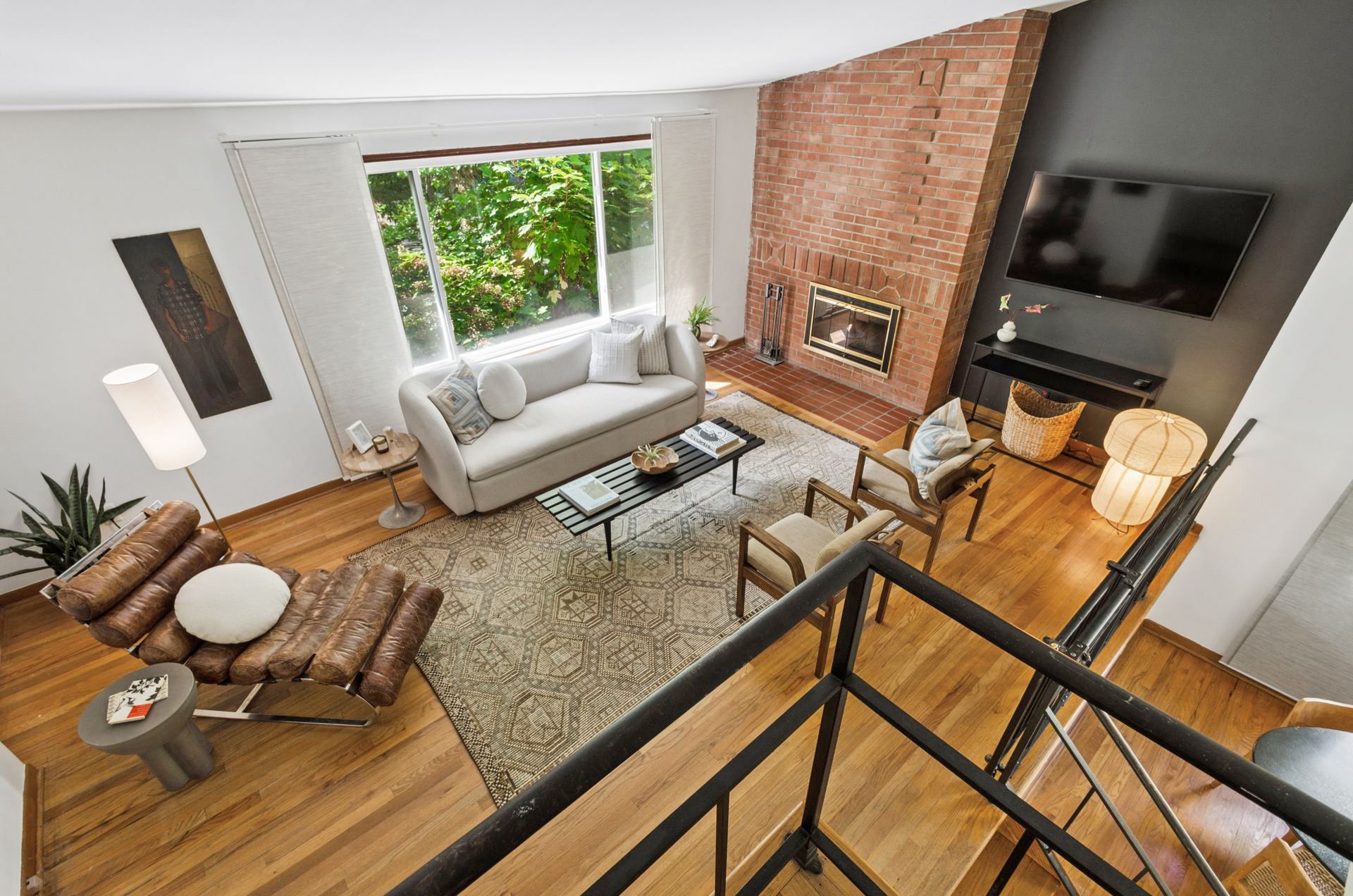
Homes in Central Bexley are substantial but a step down in scale from the North Bexley estates — most fall roughly between 2,000 and 4,500 square feet — in the same early-20th-century vocabulary of brick Tudors, Colonials, and cottages, on lots that keep the streets feeling close-knit and shaded.
Central Bexley is also one of the two more walkable parts of the city, for a simple geographic reason: its southern border is East Main Street. The Drexel Theatre, restaurants, coffee shops, the library, and everyday services are on Main — so from a Central Bexley street, the commercial corridor is a walk, not a drive.
Elementary school — Central Bexley: Cassingham Elementary School, 250 S Cassingham Rd. Cassingham shares one campus with Bexley Middle School and Bexley High School, which are also in Central Bexley.
South Bexley
South of Main Street is the old Pleasant Ridge side of Bexley, the community that grew up around Capital University — founded in 1850 and based in Bexley since 1876, the university sits in South Bexley just south of Main Street. South Bexley homes are generally smaller to mid-size, on more compact lots than in the north — a mix of early-20th-century cottages, Tudors, and Colonials alongside mid-century homes and the occasional newer build. It is often where buyers find Bexley's lower entry points, without leaving the city.
Like Central Bexley, South Bexley is considered one of the more walkable parts of the city, because its northern border is East Main Street. The shops and restaurants on Main are directly at the top of South Bexley's residential streets — including Cassingham Road, which runs the full height of the city from Broad Street down through South Bexley.
Our most recent South Bexley result is on that street: 778 S Cassingham Road, sold for $580,000 — $40,100 over list, cash, with no repair requests and a 14-day close. The full story, with the phased marketing plan behind it, is in the results section below.
Elementary school — South Bexley: Montrose Elementary School, 2555 E Main St. Bexley City Schools.
The Bexley market right now
Bexley is a small market, and that is the first thing to understand about its numbers. With only about 90 closed sales in the first seven months of 2026, a handful of large North Bexley closings can move the monthly median sharply in either direction. The year-to-date figures from the Columbus REALTORS Multiple Listing Service are the steadier read:
Bexley (city) — MLS, year to date through July 2026.
Closed sales: 119 (thru Jul 2025) → 90 (thru Jul 2026), −24.4%.
Median sales price: $639,000 → $697,450, +9.1%.
Average sales price: $752,423 → $823,069, +9.4%.
Average price per sq ft: $320.95 → $342.23, +6.6%.
Source: Columbus REALTORS MLS Local Market Update for Bexley (Corp.), July 2026, current as of August 10, 2026.
A separate FlexMLS snapshot of the greater Bexley mailing area on November 22, 2026 showed asking prices ranging from $300,000 to $2,800,000 and a median sold price of $789,000 across the prior 30 days (9 sales) — a different area definition and a much smaller sample, which is exactly why Bexley numbers need a date and a source attached to them.
The pattern underneath the figures is consistent: prices trending up year over year, on fewer sales. Demand for Bexley has not cooled — supply has stayed tight. For buyers, that means the competition is for the small number of well-prepared homes that do come up. For sellers, it means presentation and timing carry unusual weight, because there is rarely a direct comparable on the market at the same moment to anchor a buyer's expectations.
What buyers should know
Expect low inventory. With roughly 90 sales in seven months across the whole city, the right home may only appear a few times a year in a given area and price range. Being ready — financing lined up, priorities settled — matters more here than watching and waiting.
Pick your area by how you live. Central and South Bexley put East Main Street's shops and restaurants within walking distance, because Main is the border between them. North Bexley trades that walk for larger lots and the largest homes. Decide which trade-off fits your daily life before you start touring.
Price the era, not just the address. Much of the stock is a century old. Budget and plan for the difference between a renovated home and an original one, and look closely at systems, not just finishes.
Get in before the public launch. Well-prepared Bexley homes still draw multiple offers. Our Private Exclusives and Coming Soon pipeline is often where a Bexley search starts — tell us what you are looking for through the buyer questionnaire below and we will keep you in that loop.
What sellers should know
Stage and photograph before Coming Soon. Ideally, all staging and photography are done before your home is listed as Coming Soon. The 3D tour, floor plans, and video can follow between Coming Soon and going Active on the list date. Sellers — and pets — should be out of the house for staging, photography, and the 3D tour.
Build demand in phases. A Private Exclusive phase, then Coming Soon, then Active gives demand time to build in stages, instead of spending your first weekend all at once. Both Bexley results above were sold this way.
Price from evidence, not algorithms. With few direct comparables on the market at any one time, pricing is a judgment call that has to be argued from recent closings across all three areas — not from an automated estimate. Start with a proper valuation, below.