Downtown Columbus, Ohio
The Statehouse at Broad and High, the Scioto Mile riverfront, Columbus Commons, and the Arena District — the houses, the market, and what it actually takes to buy or sell here.
Downtown Columbus at a glance
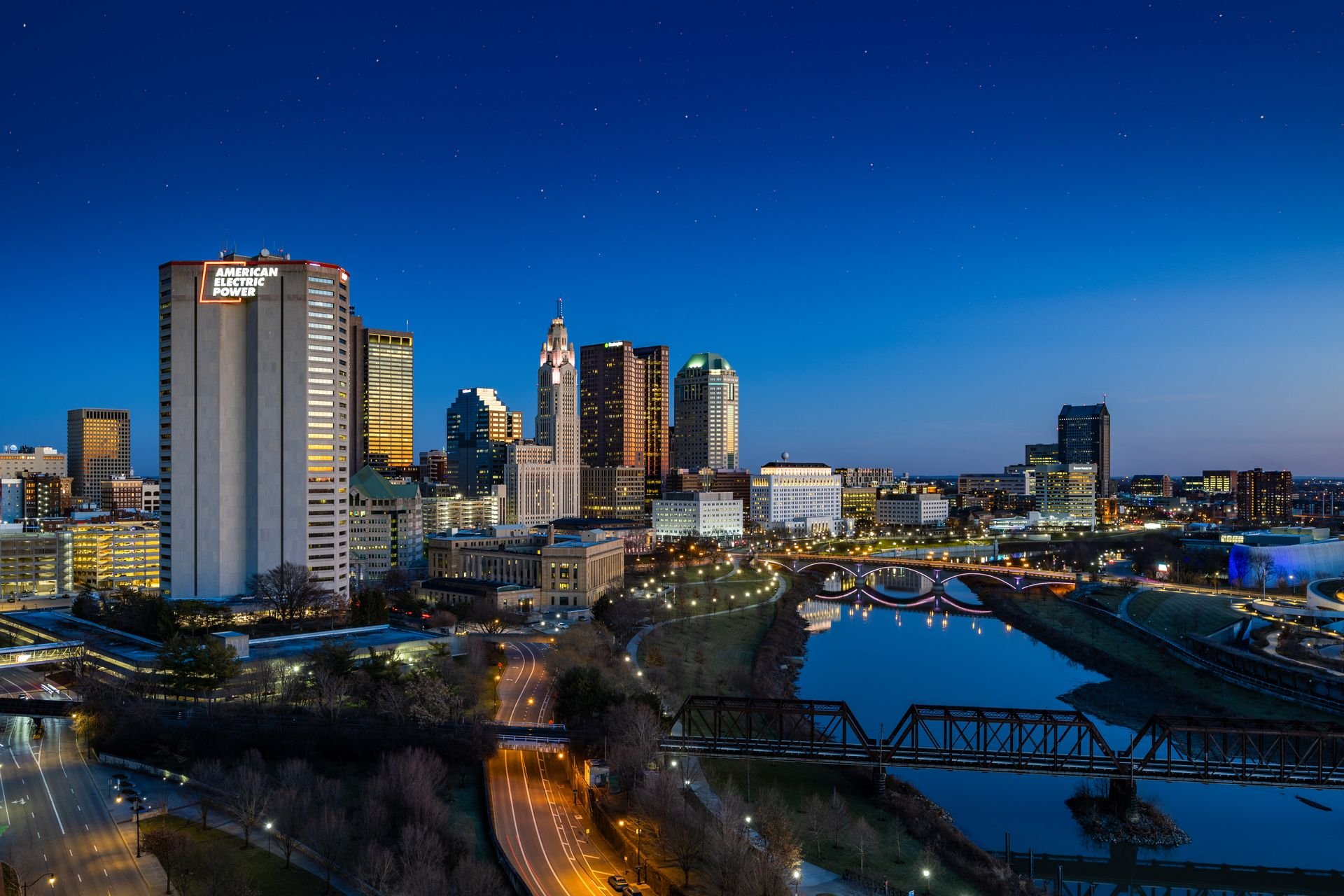
Downtown Columbus is the center of the city — literally. It is the central business district, the seat of state government, the home of the Blue Jackets and the Clippers, and the riverfront the city rebuilt into its front yard. Everything else in Columbus radiates from the intersection of Broad and High Streets, and downtown is where the city’s offices, courts, theatres, museums, and biggest public gatherings all sit within a few blocks of each other.
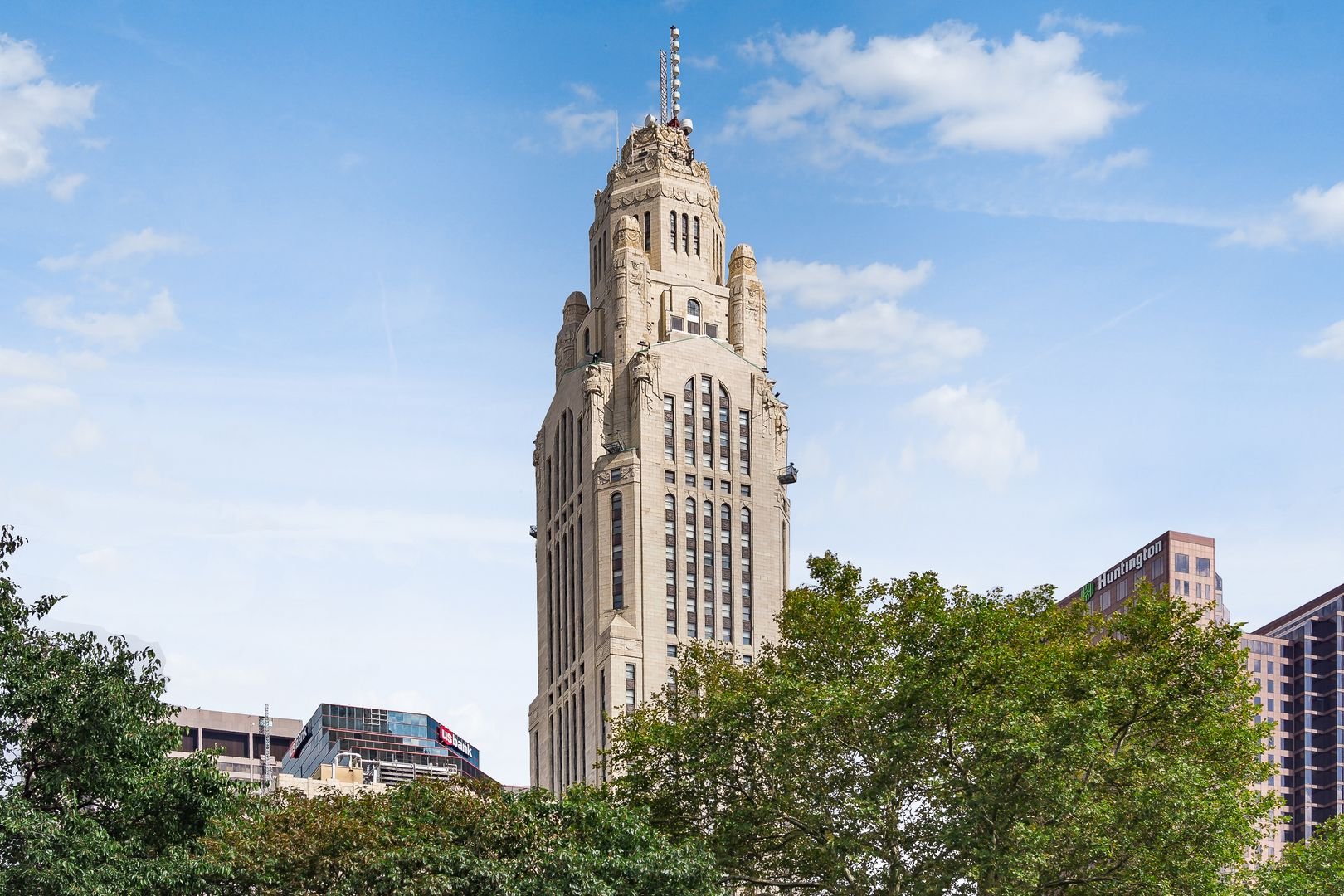
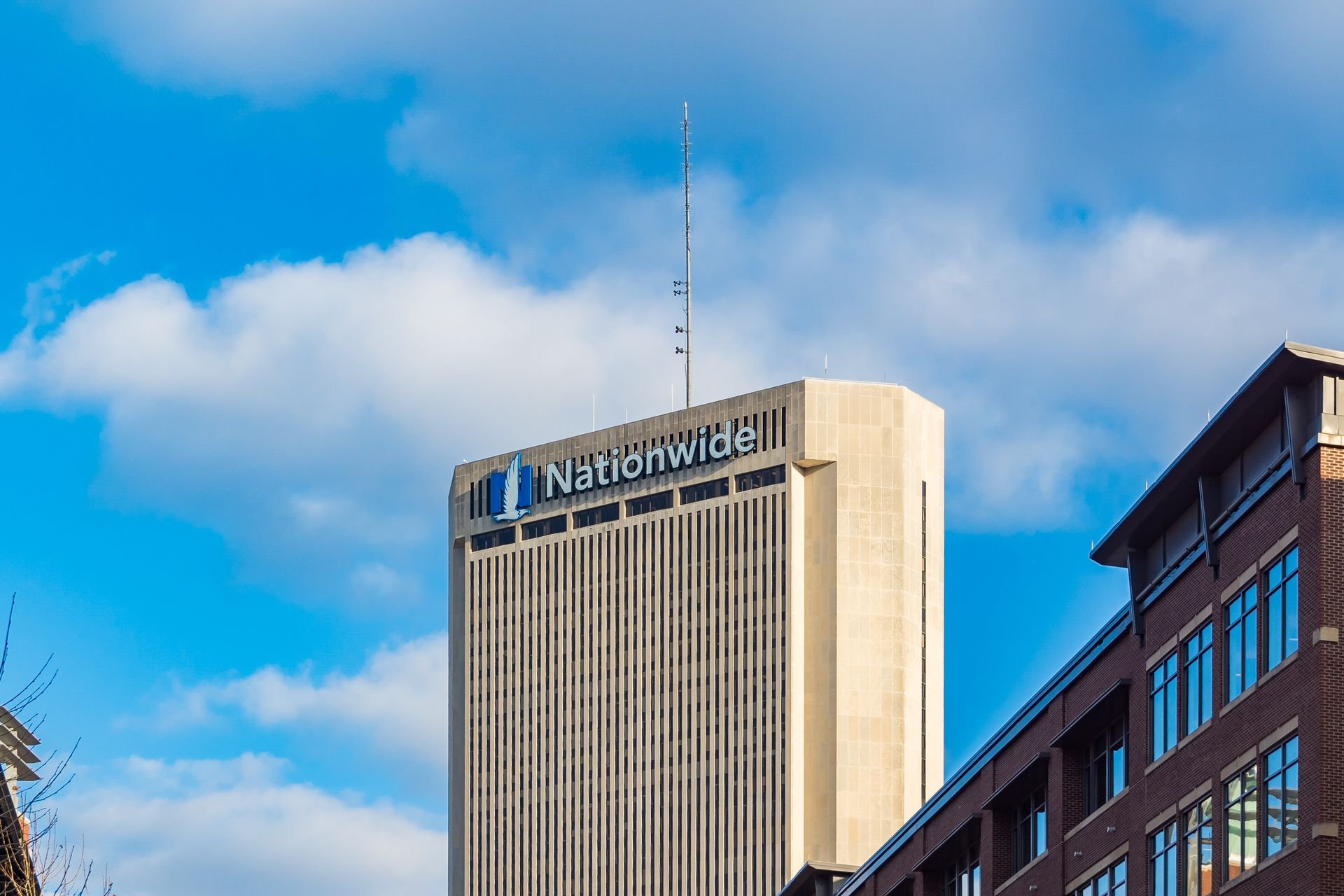
The city was laid out in 1812 on the high east bank of the Scioto River, across from Franklinton, the older frontier settlement — built from scratch to be the state capital, a role it took up in 1816. The Ohio Statehouse, at Broad and High, has anchored downtown ever since; the Greek Revival capitol was completed in 1861. Downtown grew from a government center into an industrial and commercial center, and today it is the major commercial hub of Central Ohio. The first skyscraper to rise over it was the LeVeque Tower, built in 1927, still the most recognizable tower in the skyline.
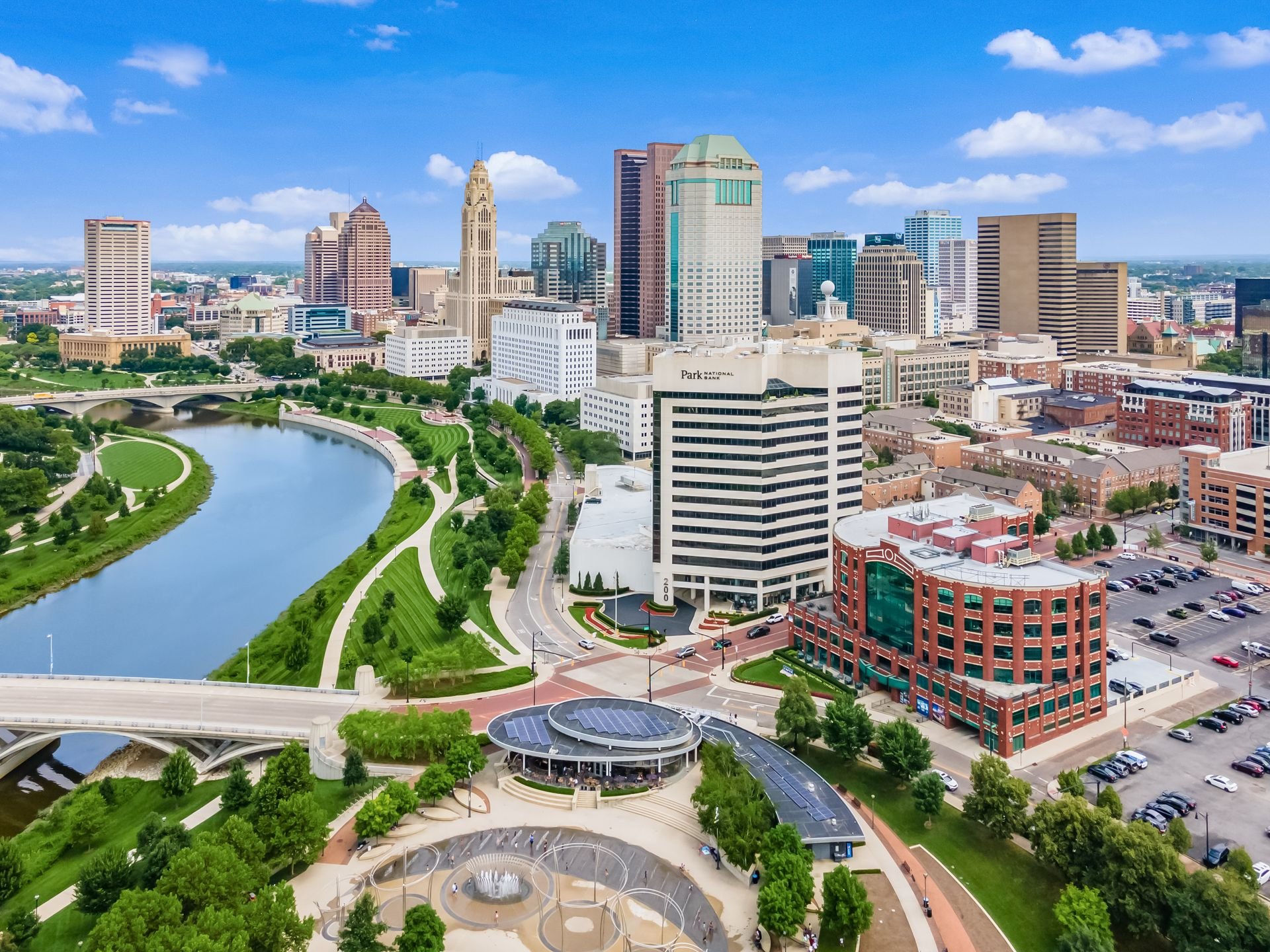
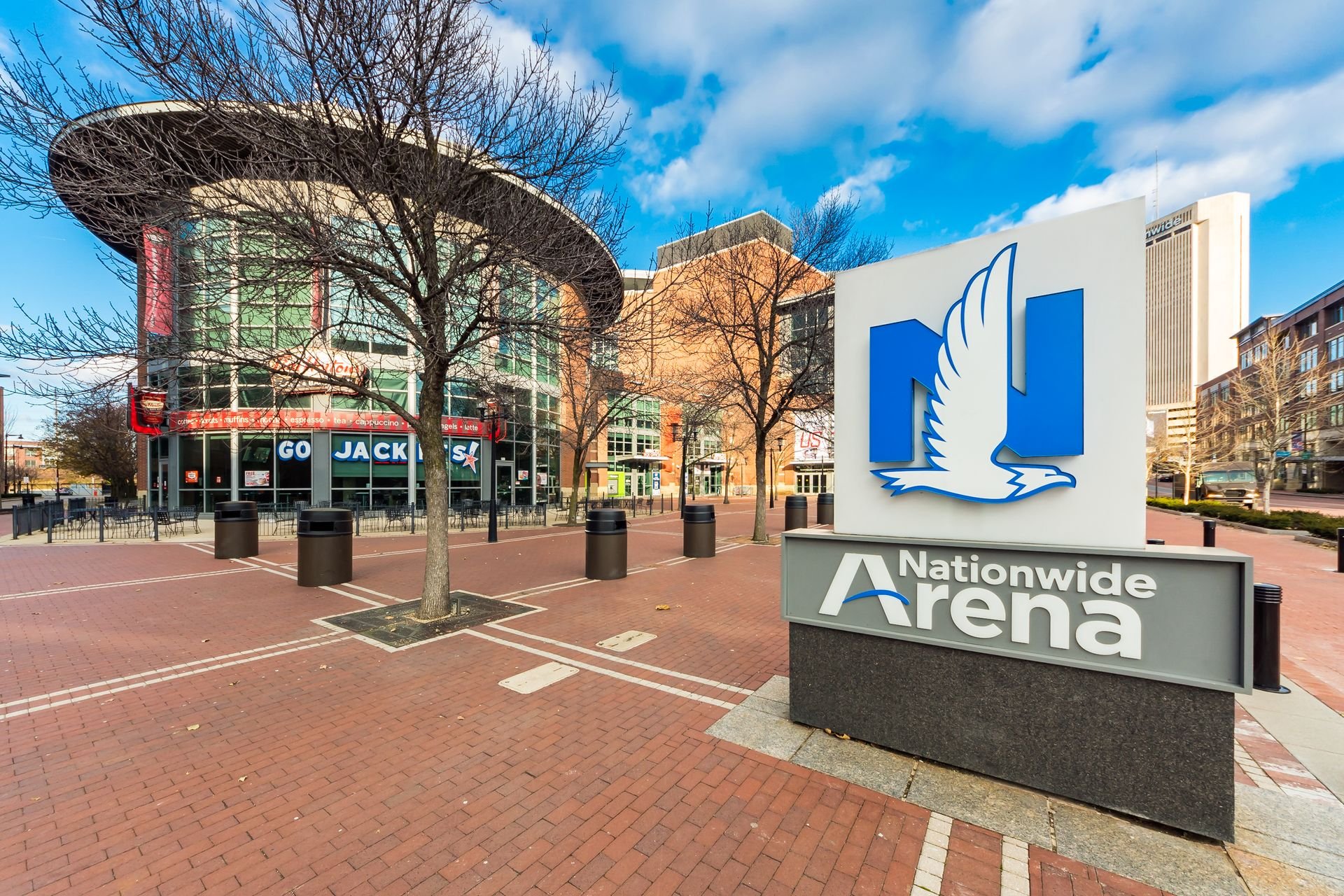
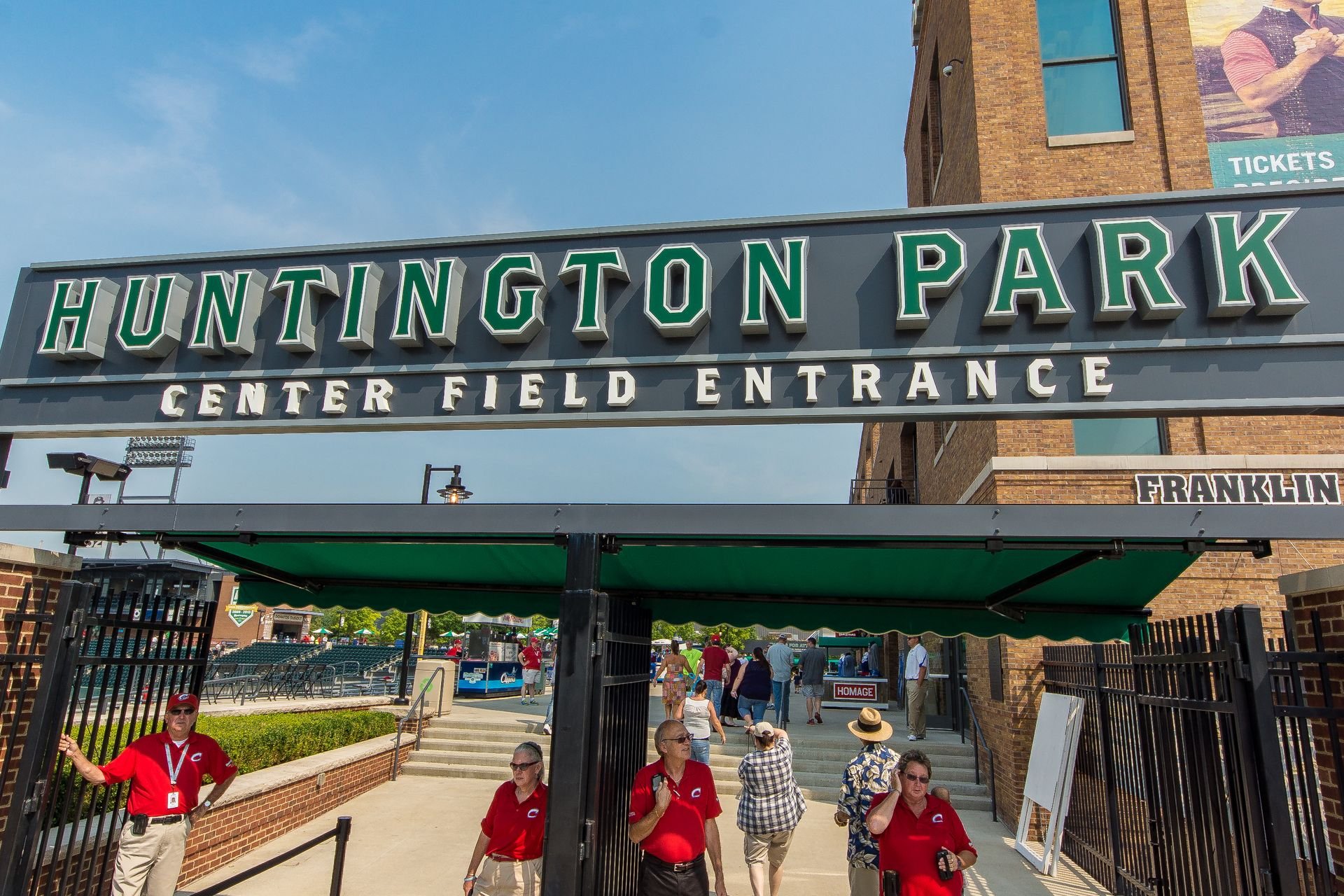
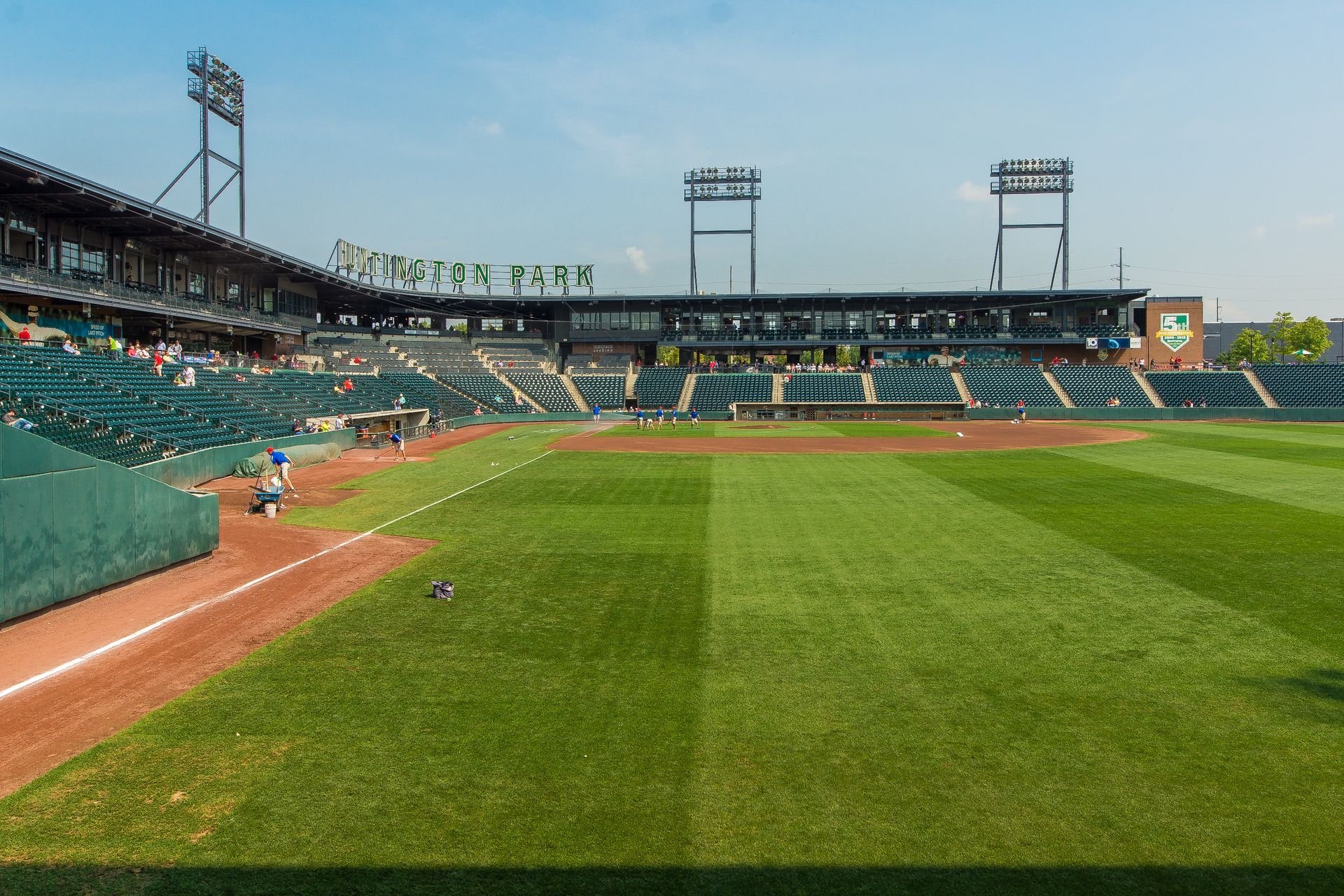
The modern downtown is the product of two rebuilds. On the northwest side, the Arena District rose on the site of the Ohio Penitentiary, which stood along the river from 1834 until it closed in 1984: Nationwide Arena opened there in September 2000, Huntington Park followed in 2009, and apartments, condos, offices, and restaurants filled in around them. On the riverfront and in the core, the closed City Center mall came down in 2011 and became Columbus Commons, and the riverfront was rebuilt into the Scioto Mile the same year — a string of parks along the Scioto that turned the river from downtown’s back edge into its front porch.
Downtown is a small residential neighborhood inside a very large daytime city. About 12,500 people live downtown, while more than 92,000 commute in for work each day, and roughly 43,000 students are enrolled at downtown institutions including Columbus State Community College and Franklin University. That is the first thing to understand about buying here: you are buying into a place built for daytime density, and the homes are mostly condos in towers and converted buildings, not houses on streets.
Walkability is the other defining fact. Downtown Columbus has a Walk Score of 82 — “Very Walkable,” where most errands can be done on foot — with a Transit Score of 62 and a Bike Score of 81. The Statehouse grounds, the Scioto Mile parks, and the arena and ballpark blocks are all within a 10- to 15-minute walk of each other. Columbus has no rail transit, so trips beyond downtown itself generally mean a COTA bus or a car — but for daily life inside the core, the car is optional.
How Downtown Columbus is organized
Downtown is not one neighborhood but several districts inside the freeway loop, and they read very differently on the ground. The guide uses all of them — the whole downtown core and the Arena District — and the buying and selling happens in each of them for different reasons.
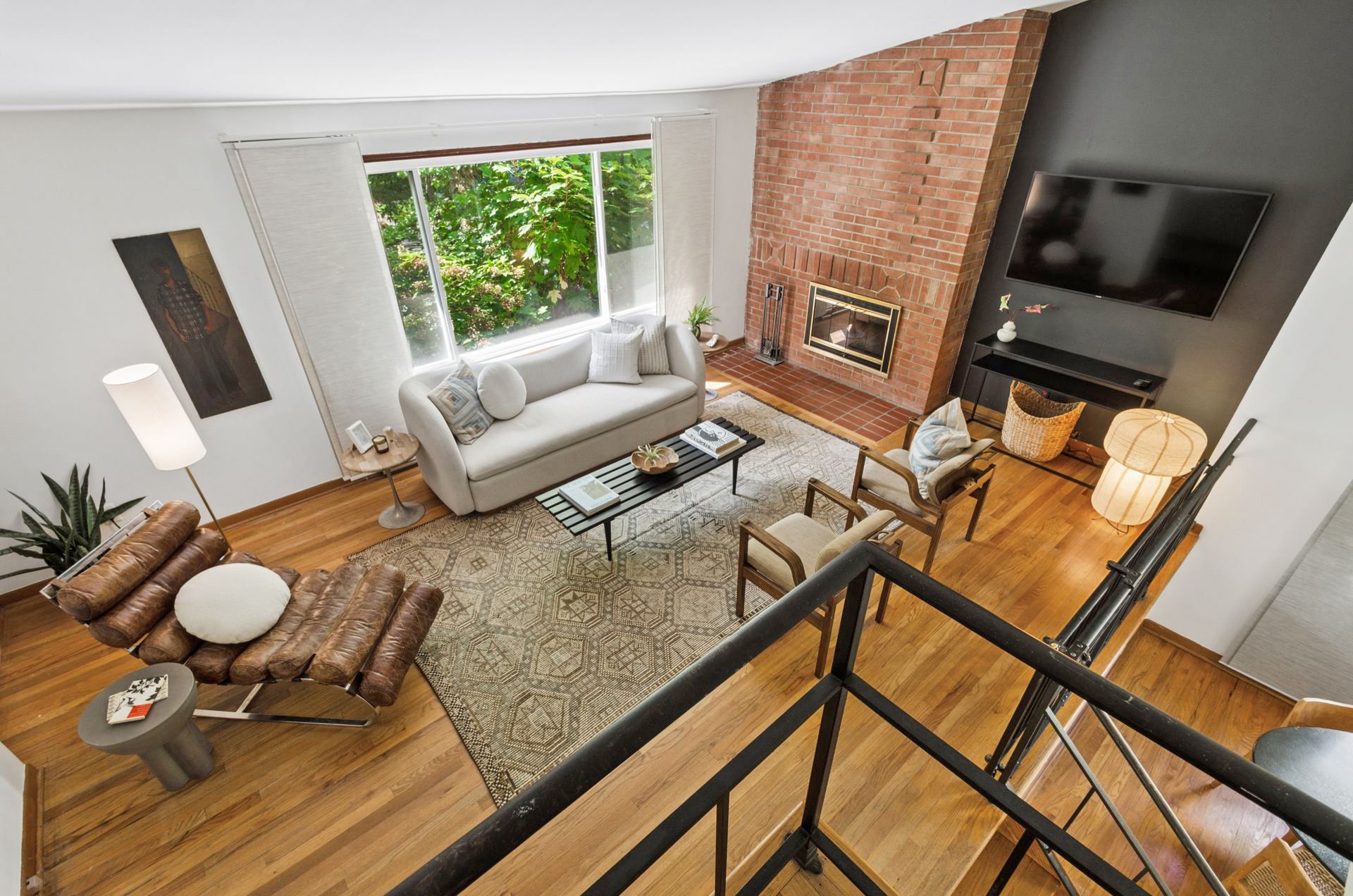
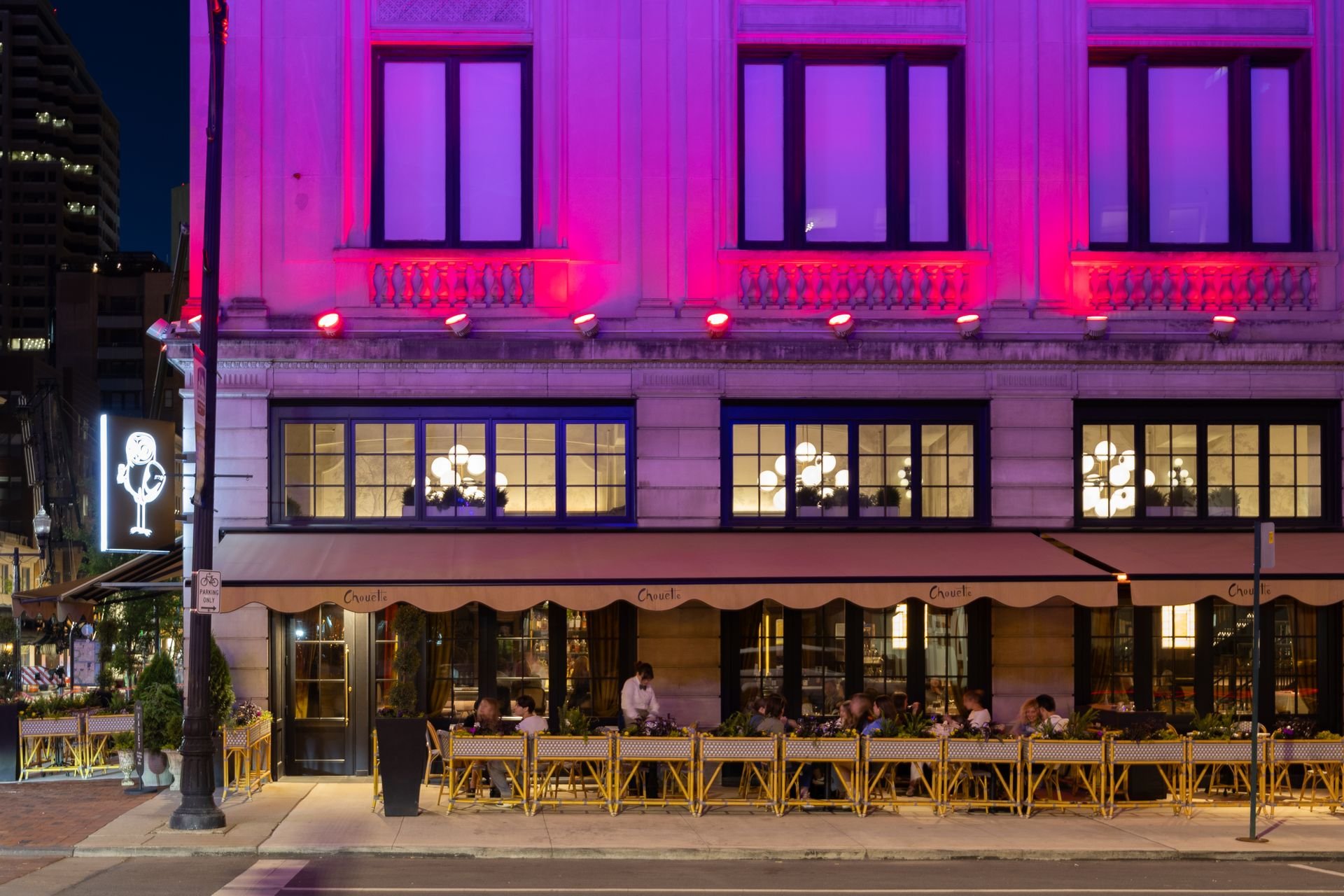
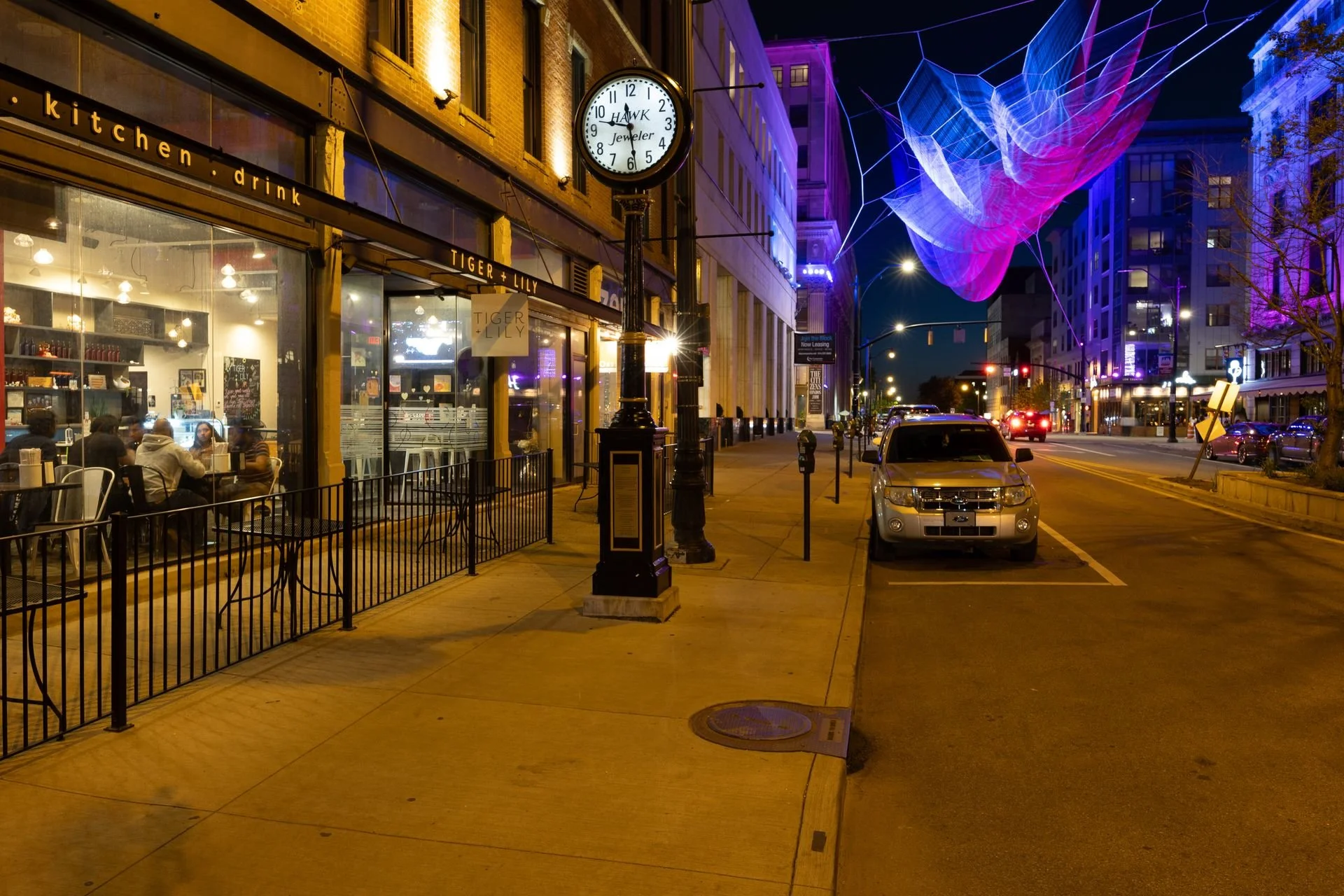
At the center is Capitol Square and the High Street Corridor: the Statehouse grounds, the office towers, and the theatre district along High Street, including the Ohio Theatre and the Palace Theatre. This is the oldest part of downtown and the densest — high-rise condos and converted office buildings, with the Statehouse lawn as the green at the middle of it all.
East of High Street is the Discovery District, the cultural and campus side of downtown: the Columbus Museum of Art at 480 East Broad Street, Topiary Park — a living topiary interpretation of Seurat’s “A Sunday Afternoon on the Island of La Grande Jatte” — the Main Library, Columbus State Community College, Franklin University, and the Columbus College of Art & Design. The housing here is a mix of condos and apartments, many of them in converted older buildings, on quieter streets than the High Street core.
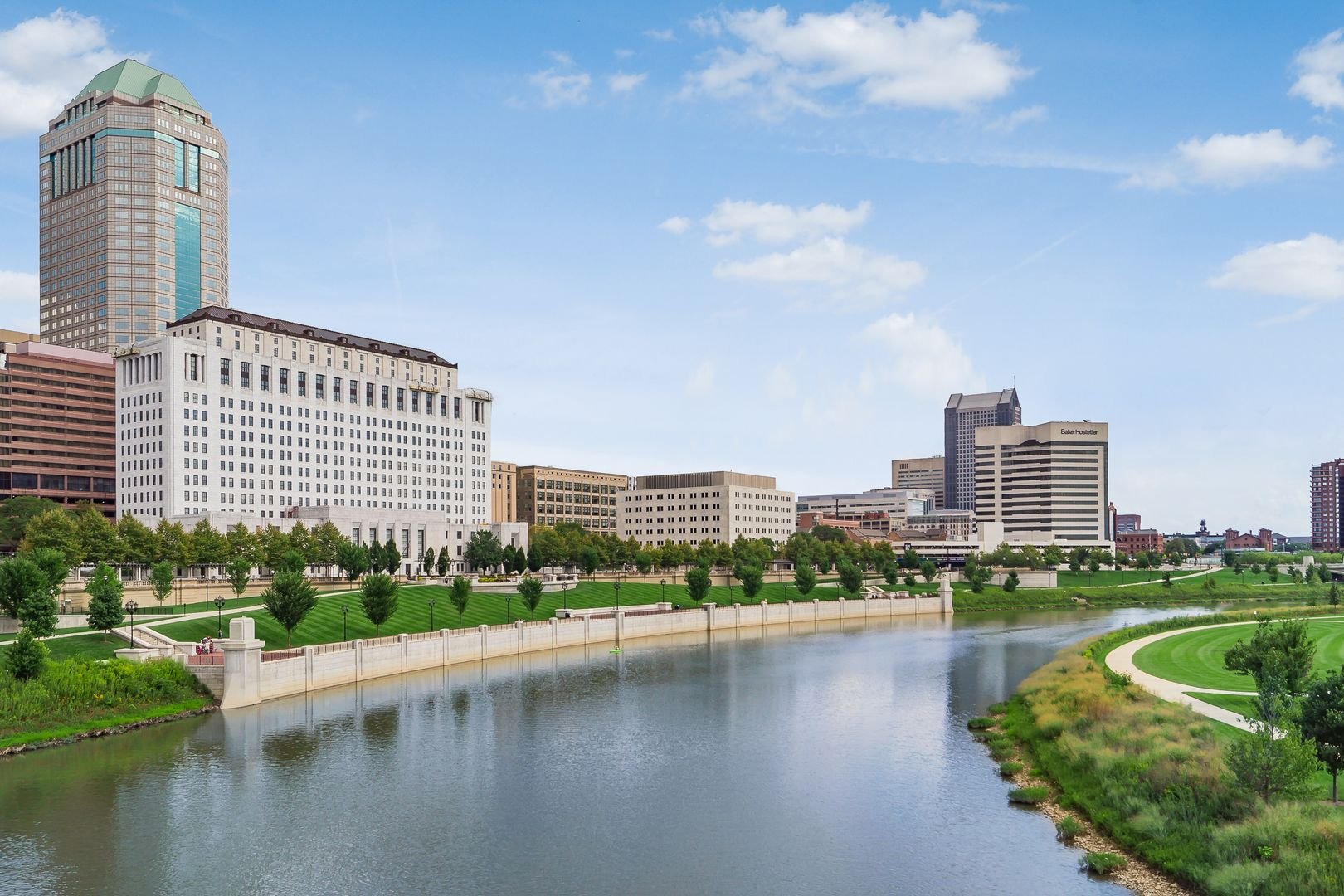
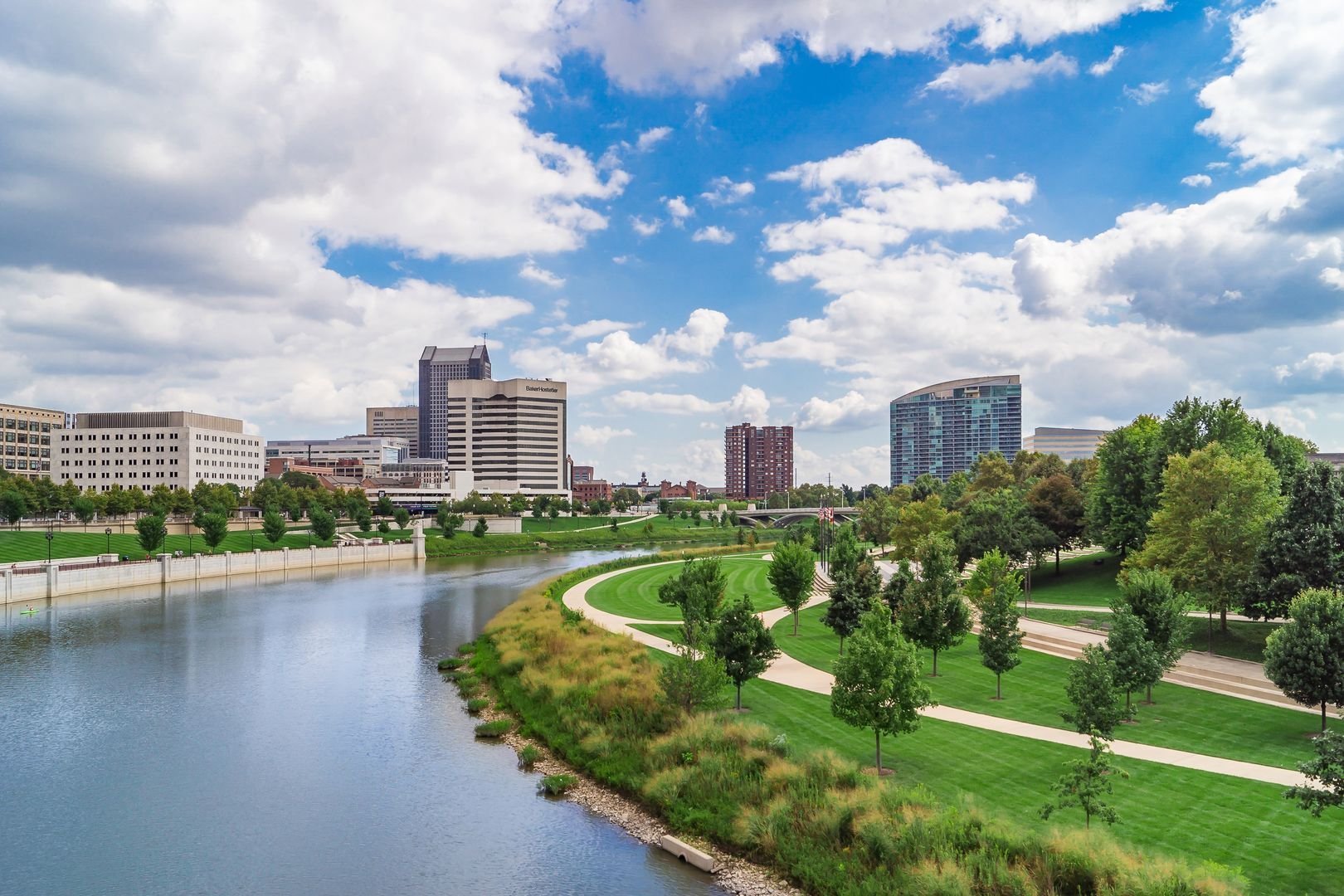
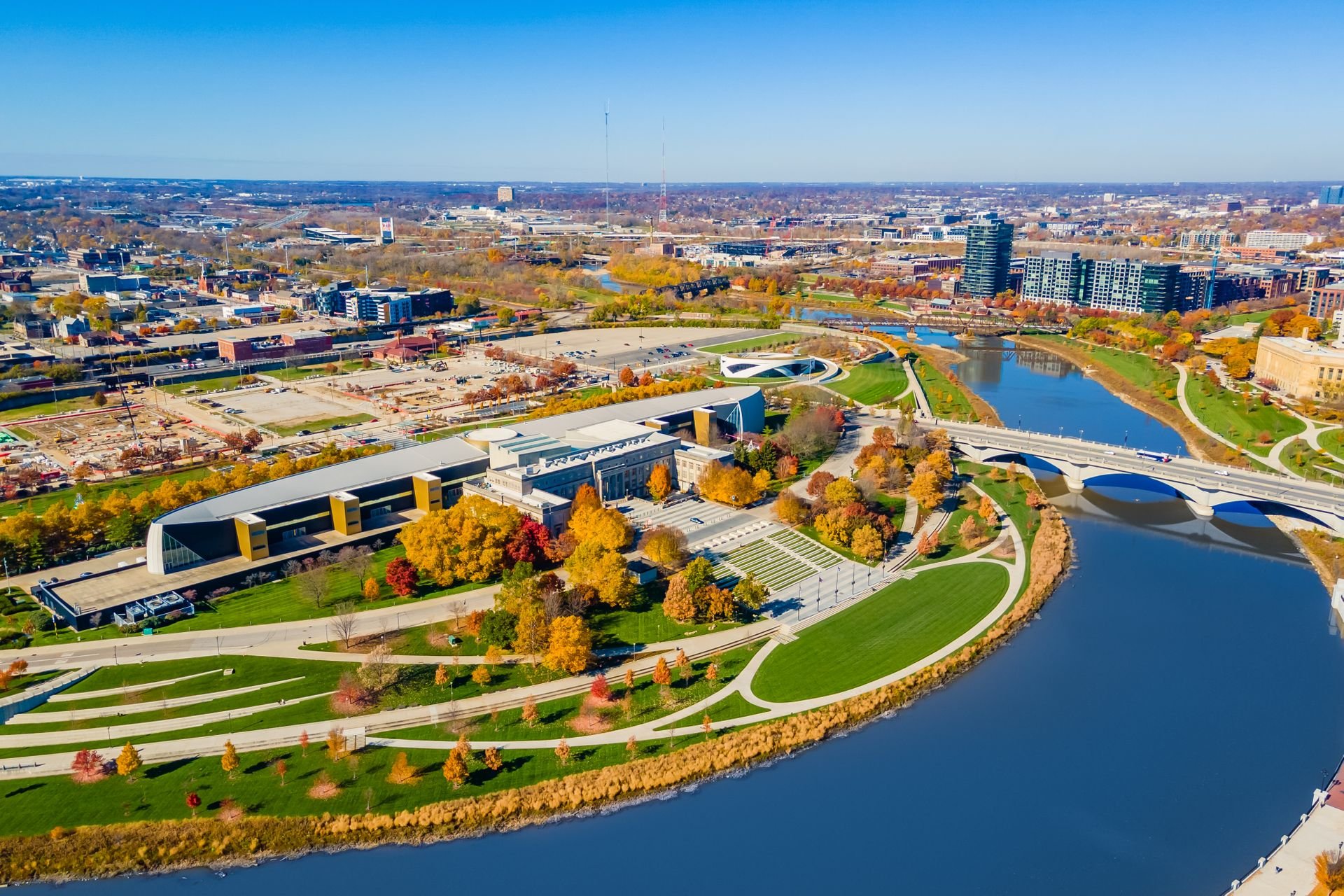
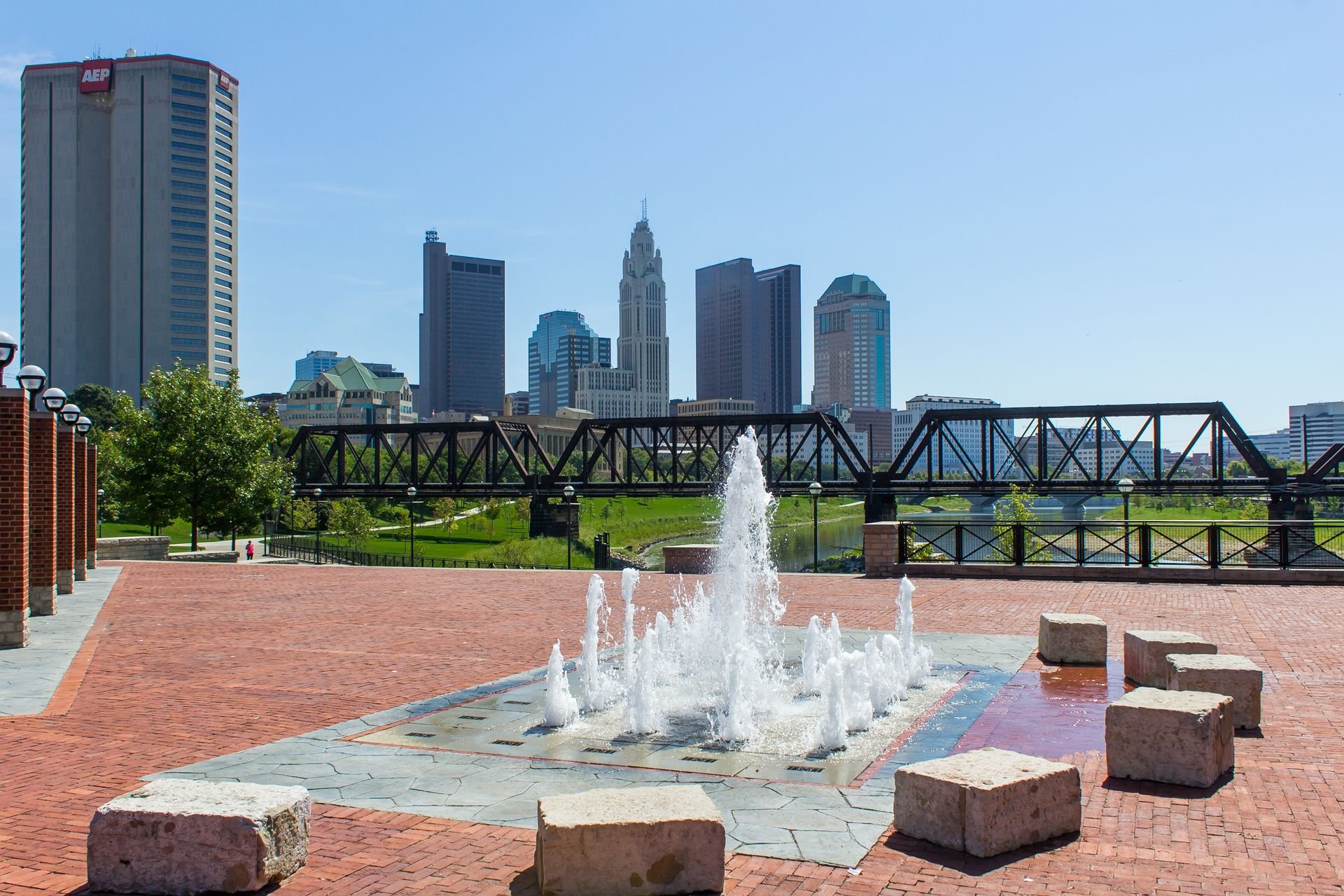
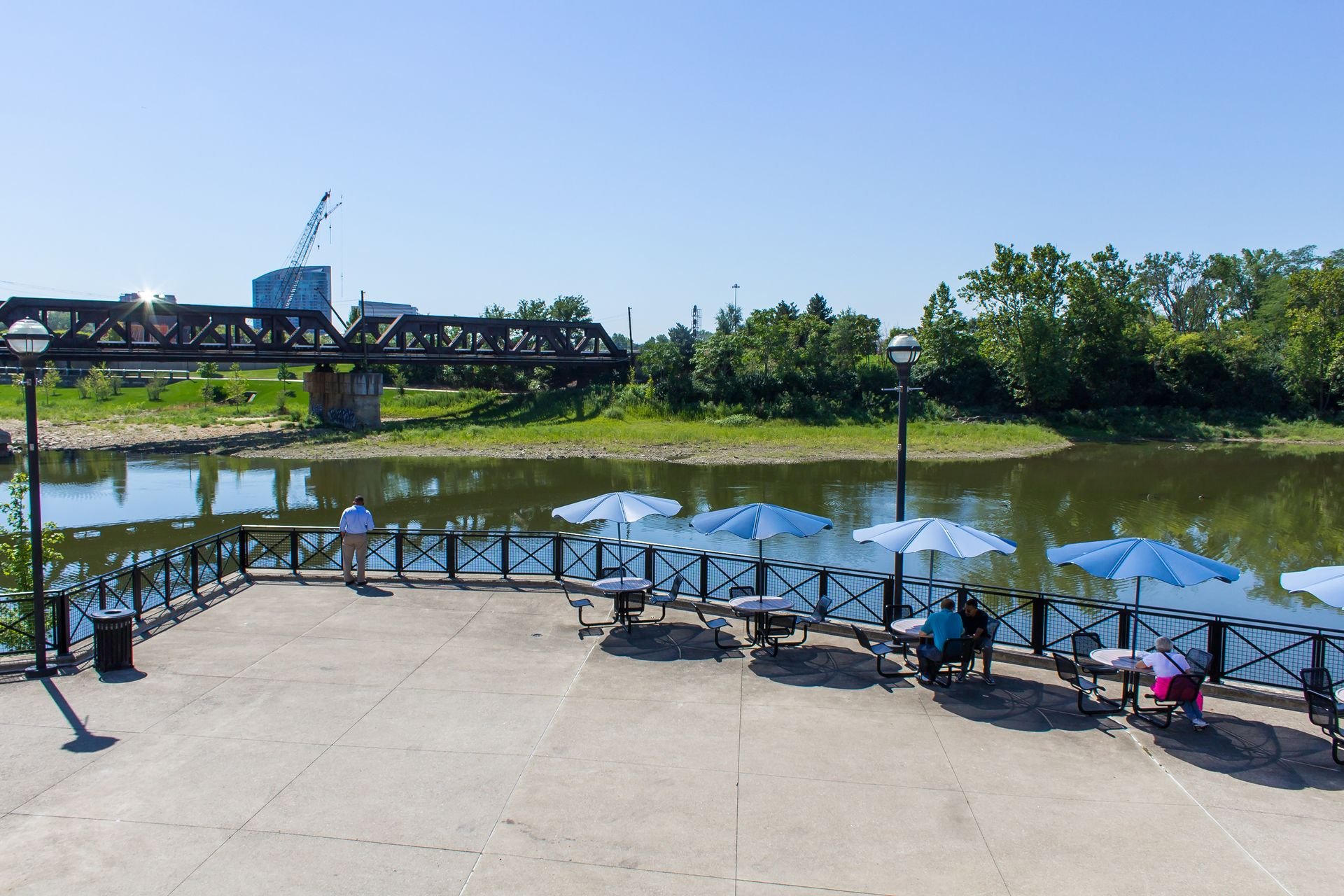
West is the Riverfront, the Scioto Mile: about 11 acres of riverfront parks running along the Scioto, from North Bank Park in the Arena District down through Genoa Park and Bicentennial Park — with its big interactive fountain — to Battelle Riverfront Park. The Mile is downtown’s backyard: the promenade, the fountains, and the lawns where the summer festivals happen. The condos along the riverfront are among the most expensive per square foot downtown, and the view — river and skyline — is the point.
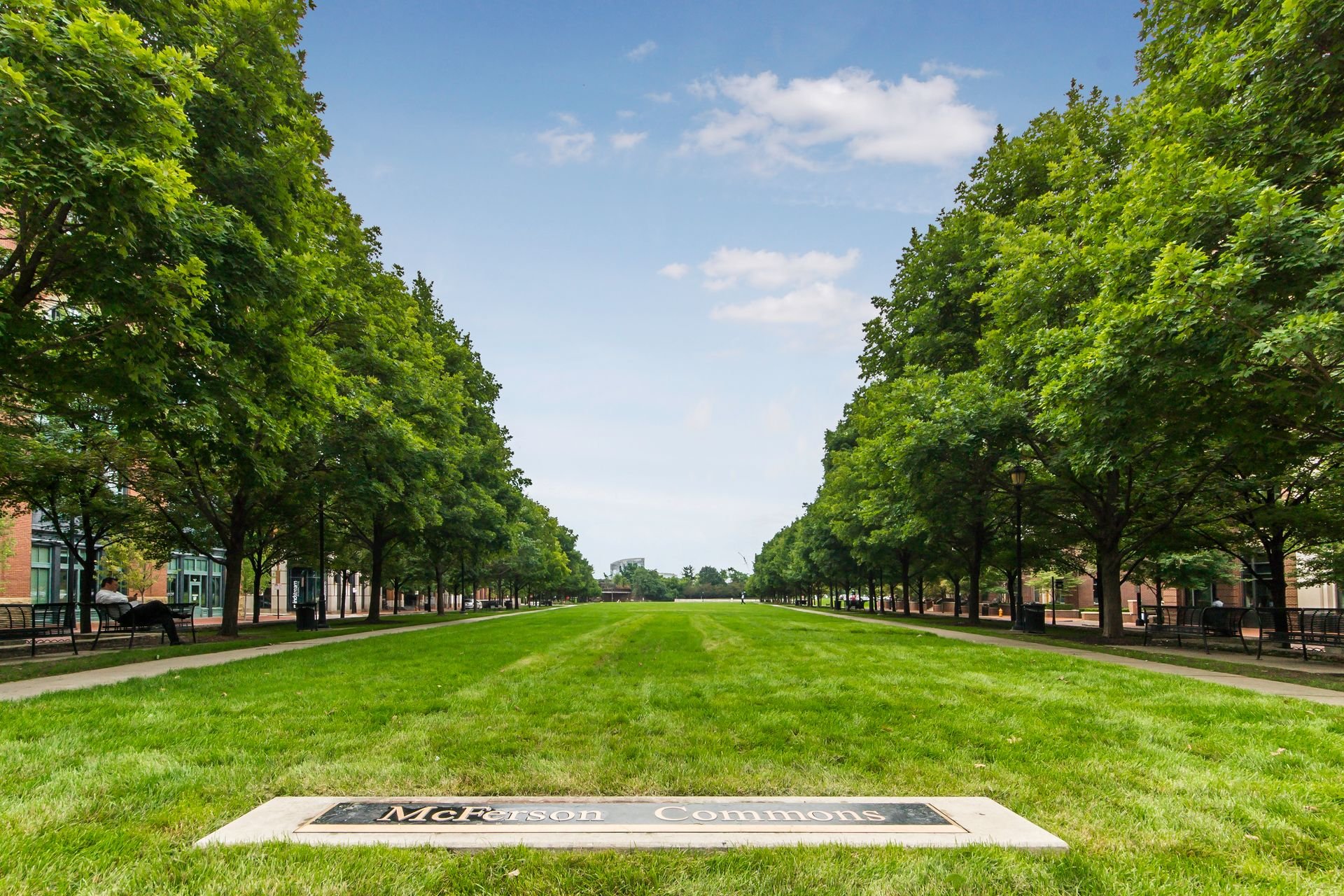
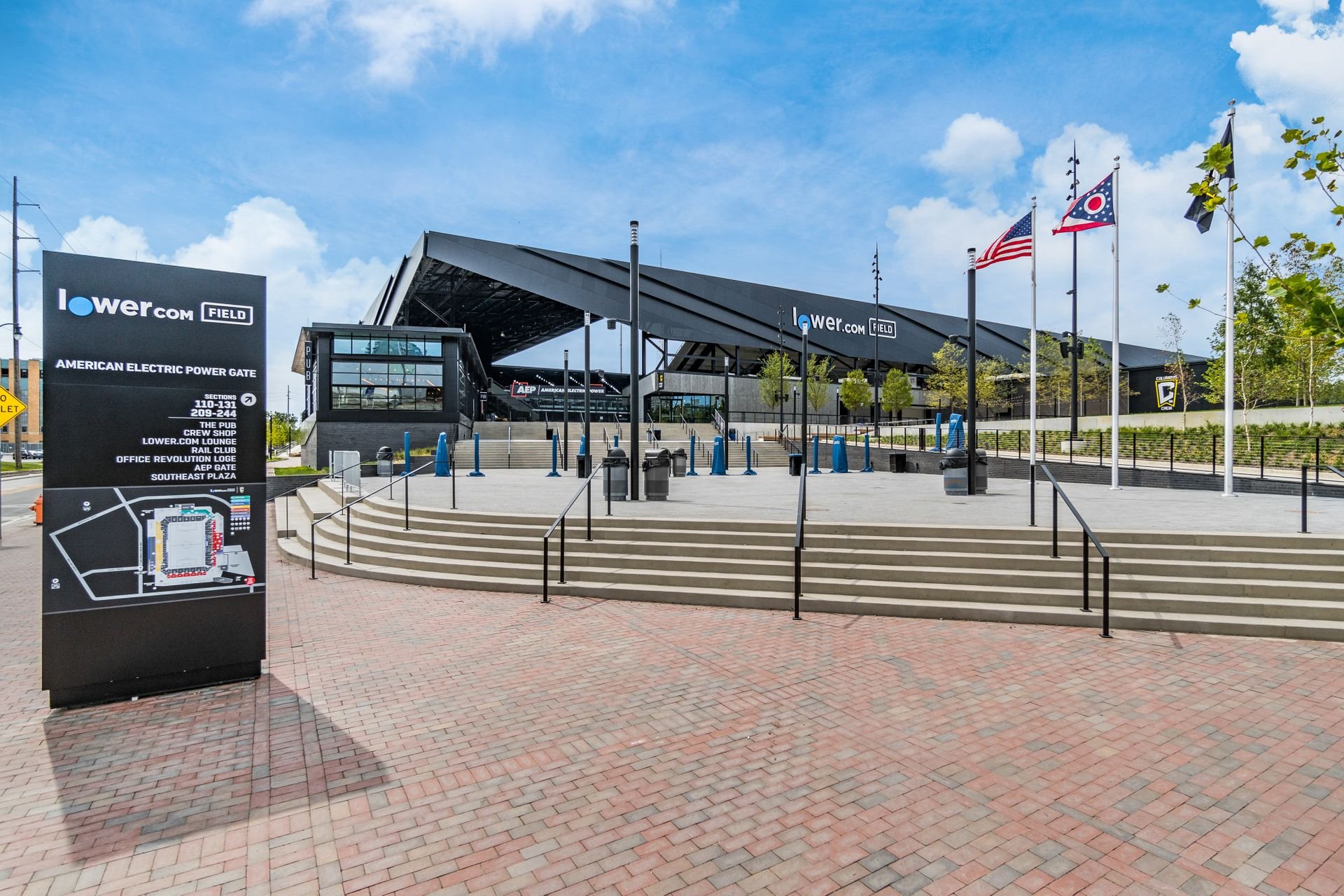
Northwest, along the river, is the Arena District: Nationwide Arena, home of the Columbus Blue Jackets, Huntington Park, home of the Columbus Clippers, McFerson Commons — the green in front of the arena — and the blocks of restaurants, offices, apartments, and condos built around them since 2000. It is the newest part of downtown, built from scratch, and it is also the loudest on game nights — which is either the draw or the dealbreaker, depending on the buyer.
South of the core, along Town Street, is Columbus Commons: about 6 acres of lawns, gardens, and a carousel on the site of the old City Center mall, with the Bicentennial Pavilion hosting concerts and events most of the year. Just past the freeway to the south is the Brewery District, and across the river to the west is Franklinton — both outside this guide, with their own stories.
Most of downtown is in ZIP code 43215. The MLS market figures below are reported for Downtown Columbus, ZIP code 43215 — the downtown core and the Arena District — so they cover the whole area this guide describes.
A year in Downtown Columbus
Downtown runs on a calendar, and living here means living with it — the riverfront fills, the arena lights up, and the neighborhood turns out. The year starts quietly and builds to a crowded summer on the Scioto Mile.
In June, the Columbus Arts Festival takes over the riverfront — more than 230 visual artists along the Scioto Mile (June 12–14 in 2026), one of the country’s most highly acclaimed art festivals. The same month brings 614 Day in the Discovery District (June 14 in 2026) and the Juneteenth Ohio Festival at Genoa Park. In July, the calendar fills twice more: Red, White & BOOM!, the city’s fireworks celebration, lights up downtown and the riverfront on July 3, 2026 — the largest fireworks display in the Midwest — and the Columbus Book Festival takes over the Main Library and Topiary Park (July 11–12 in 2026).
Late July is Jazz & Rib Fest, three days of jazz and barbecue at Bicentennial Park and along the Scioto Mile (July 24–26 in 2026) — one of the summer’s biggest weekends downtown. August brings Festival Latino (August 22–23 in 2026) and the Columbus Food & Wine Festival, and September brings CBUS Soul Fest at Bicentennial Park (September 4–5 in 2026) and the Columbus Greek Festival. All summer, Columbus Commons runs its own calendar of concerts and events on the lawn, and the Clippers play at Huntington Park from April into September.
The sports calendar runs all year: the Blue Jackets at Nationwide Arena from October into the spring, with concerts filling the arena between games. In December, downtown turns to the holidays — WinterFest at Dorrian Green (November 21 in 2026) and Wanderlights, the light displays at Columbus Commons, West Town Street, and Bicentennial Park, running November 20, 2026 through February 14, 2027. Dates move year to year; check the Downtown Columbus and Experience Columbus calendars before planning around any of them.
The homes themselves
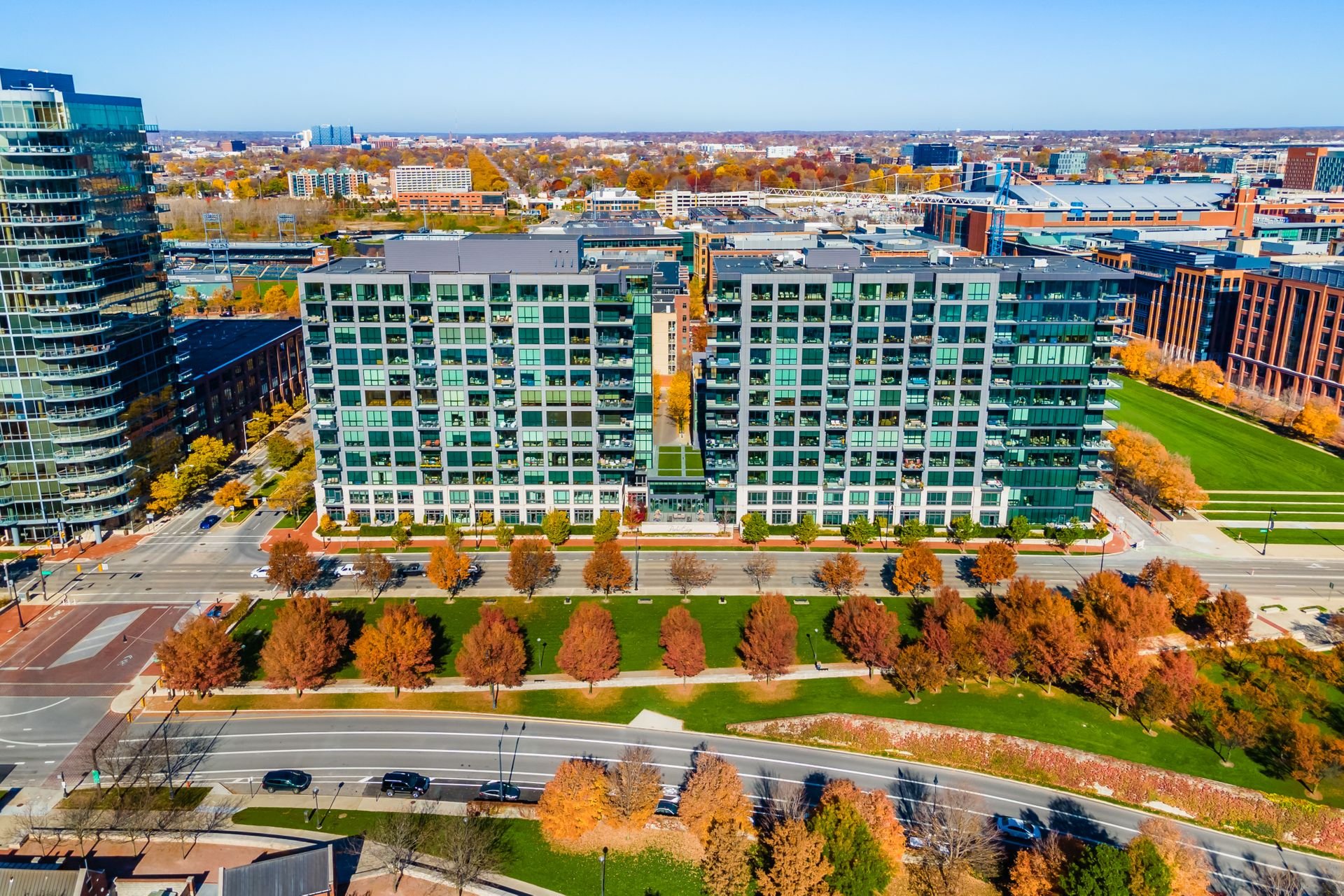
Read downtown’s buildings and you read its history. The housing stock is overwhelmingly condos — 131 of the 154 homes that closed in the first nine months of 2026 were condos, and only 23 were single-family homes. That is the single most important fact about buying downtown: you are almost certainly buying a condo, and the building matters as much as the unit.
The stock breaks into three kinds. The high-rise towers of the core and the riverfront — condos with skyline and river views, full amenity packages, and HOA fees to match. The converted buildings — older office and commercial buildings, some from the 1920s, turned into lofts and condos, with the character and the quirks that come with a conversion: original details, unusual floor plans, and systems that vary widely by building. And the Arena District’s newer apartments and condos, built since 2000 around the arena and ballpark, with modern floor plans and the newest amenities downtown.
There are very few single-family homes, and almost none with a yard in the usual sense — a handful of older houses on the edges of the Discovery District and near the riverfront. Across the area, nearly every sale carries an HOA fee, so the monthly cost of a home here is not just the mortgage — it is the mortgage plus the HOA, plus parking, which is often a separate charge or a separate purchase.
For buyers, the practical point is the same as in any condo-heavy market: two units with the same bedroom count can be very different propositions — a renovated unit in a well-run building versus the same floor plan in a building with a thin reserve fund or a pending assessment. That spread is where local knowledge matters most, and it is why the market median can swing sharply on just a few large closings — the subject of the next section.
What buyers should know
The building matters as much as the unit. Before you offer, read the HOA budget, the reserve fund, what the fee covers, any rental caps, and any pending assessments — and the meeting minutes, which are where the real story usually is. A thin reserve or a special assessment on the horizon changes the monthly cost and the resale picture.
Check the parking. Garage, lot, or street — and whether a space is included, rented, or bought separately. Parking is often a separate line item downtown, and the permit and garage rules vary by block and by building.
Price the era, not just the address. A converted 1920s tower, a 1980s high-rise, and a new Arena District condo are different propositions — different systems, different floor plans, different HOA profiles. Budget and plan for the difference between a renovated unit and an original one, and look closely at systems, not just finishes.
Check the financing early. Some downtown buildings are not approved for every loan type, and a lender will ask for the HOA documents before it commits. If you are buying with a loan that has building requirements, confirm the building qualifies before you fall in love with the unit.
Mind the noise and the calendar. Arena nights, festival weekends on the Scioto Mile, and the July 3 fireworks are why people buy downtown — and they are worth spending an evening on the block before offering, so the loudest version of the neighborhood is not a surprise.
Get in before the public launch. Well-prepared downtown condos still draw multiple offers, and sellers here receive 94.9% of original list price on average. Our Private Exclusives and Coming Soon pipeline is often where a downtown search starts — tell us what you are looking for through the buyer questionnaire below and we will keep you in that loop.
What sellers should know
Stage and photograph before Coming Soon. Ideally, all staging and photography are done before your home is listed as Coming Soon. The 3D tour, floor plans, and video can follow between Coming Soon and going Active on the list date. Sellers — and pets — should be out of the house for staging, photography, and the 3D tour.
Build demand in phases. A Private Exclusive phase, then Coming Soon, then Active gives demand time to build in stages, instead of spending your first weekend all at once. In our experience, homes marketed as Coming Soon, rather than launched straight to the public, draw the strongest price and terms — a full public launch is not the stronger play for top price.
Have the condo documents ready early. A buyer’s lender will ask for the HOA budget, the meeting minutes, and the building’s documents before it commits — and a slow answer can stall a deal that is otherwise done. Pull them together before the listing goes live, not after the offer comes in.
Price from evidence, not algorithms. With few direct comparables on the market at any one time — and a spread from studios to riverfront penthouses, in buildings with very different HOA profiles — pricing is a judgment call that has to be argued from recent closings across the area, not from an automated estimate. Start with a proper valuation, below.
Condition carries extra weight now. With 7.6 months of supply, buyers have more to choose from than anywhere else in the central city. A well-prepared condo still moves in about 72 days; a tired one sits while the fresh listings get the showings.
Get access to Private Listings
Fill out the form to receive our comprehensive list of off-market listings.