German Village
Brick streets, nineteenth-century houses, and Schiller Park at the center — the houses, the market, and what it actually takes to buy or sell here.
German Village at a glance
German Village sits just south of downtown Columbus — a historic neighborhood of brick streets and nineteenth-century houses, built by German immigrants and preserved as one of the largest privately funded historic districts in the country. It borders Merion Village to the southeast and south, and Schumacher Place to the east.
The neighborhood was platted in 1814 as part of Columbus’s South End — “die alte sud ende” — and developed mainly between 1840 and 1914, when German immigrants built brick homes on limestone foundations along streets that are still brick today. By 1865, one-third of Columbus’s population was German. The neighborhood became a city historic district in 1960 and was listed on the National Register of Historic Places on December 30, 1974, as the largest privately funded preservation district in the country, with a boundary increase in 1980. It was named a Preserve America Community in 2007. The district covers 233 acres and more than 1,800 structures.
At the center of the neighborhood is Schiller Park, a 23.45-acre city park at 1069 Jaeger Street. The land was Stewart’s Grove, owned by Francis Stewart in the 1830s and the site of the Ohio State Fair in 1864 and 1865; the City of Columbus bought 23 acres in 1867 and named it City Park. A lake with a fountain and footbridge, an amphitheater, and a shelter house followed, and a bronze statue of the German poet Friedrich von Schiller was erected on July 4, 1891. The park took Schiller’s name on April 3, 1905, was renamed Washington Park in 1918 during the First World War, and got its name back on April 7, 1930. It is the second-oldest park in the City of Columbus. Today it has a pond stocked for fishing, a 0.8-mile paved path, a playground, an amphitheater, the Huntington Gardens, and the Umbrella Girl fountain — and it is where the neighborhood gathers.
Walkability is the other defining fact. German Village has a Walk Score of 90 — a “Walker’s Paradise,” where daily errands do not require a car — and ranks as the 3rd most walkable neighborhood in Columbus. Restaurants, bars, and coffee shops are sprinkled throughout the district, not concentrated on one strip, so a coffee, dinner, or a drink is usually a short walk from home, along with Schiller Park and South Third Street.
German Village Society’s Website
How German Village is organized
German Village is a single historic district, not a collection of sub-neighborhoods, and it reads that way on the ground: one continuous grid of brick streets and alleys, with Schiller Park at its center. The commercial heart runs along South Third Street, and the residential streets fan out from the park — Beck, Deshler, Sycamore, Mohawk, Jaeger, and the cross streets between them — stitched together by alleys like Cedar Alley, where carriage houses and garden apartments sit behind the main houses.
The park is the organizing fact of daily life here. Streets closest to it put the pond, the amphitheater, and the gardens at the end of the block, and the whole district keeps the same feel: brick streets, narrow lots, houses set close to the sidewalk, and mature trees. What changes from street to street is the house itself — the size, the style, and the condition — which is why two homes a block apart can be very different propositions. That spread is covered in the section below.
East Beck Street deserves its own note. It is one of the Village’s most prestigious streets, lined with some of its largest and most valuable homes — including multi-million-dollar properties — and it is where you will find Frank Fetch Park, at 228 East Beck Street. Frank Fetch Park is a pocket park of just 0.2 acres, created in the 1960s on a Beck Street lot and renamed for Frank Fetch, founder of the German Village Society. Designed in the style of a 19th-century German bier garten, with brick walls and paving, plantings, and decorative gas lights, and maintained with the German Village Garten Club, it is the small, intimate counterpart to Schiller Park — a green room for the surrounding streets rather than a park for the whole city.
A year in German Village
German Village runs on a calendar, and living here means living with it — streets fill, houses open, and the neighborhood turns out. On Saturdays in summer, the German Village Farmers Market sets up along South Third Street, with local produce and goods a walk from most front doors. It is a weekly ritual as much as a market.
Each year the German Village Society hosts the Haus und Garten Tour, when a selection of private homes and gardens across the Village open to visitors — the one weekend when the interiors and gardens behind the brick facades are on view. In spring, Village Valuables turns the whole neighborhood into a yard sale: a huge community sale, with households across the Village selling from their yards, porches, and alleys on the same day, and buyers walking street to street.
In December, Village Lights closes the year. The streets are lined with luminaries, and shops and restaurants throughout the Village are decked out for the holiday season and open for the evening — the brick streets at their most atmospheric, and one of the nights that best explains why people who live here stay.
The houses themselves
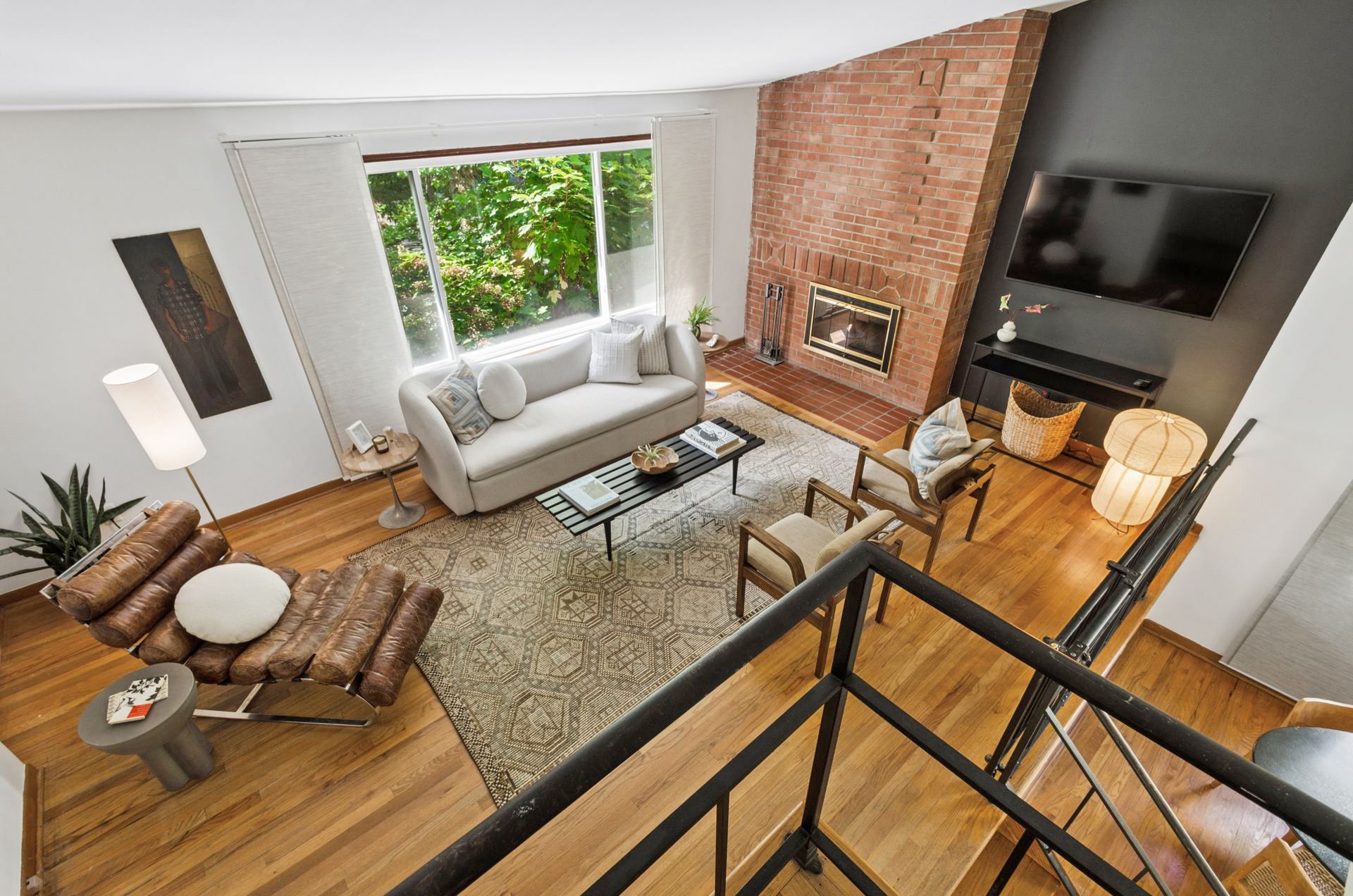
Read German Village’s streets and you read its building history. Most of the housing stock dates from 1840 to 1914: brick homes on limestone foundations, including the small “Dutch-Double” cottages of the 1850s to 1880s and larger Italianate and Queen Anne homes. Brick is the material throughout, and the brick streets themselves — laid when the neighborhood was built — are part of what makes the district feel the way it does.
Layered into that stock are carriage houses and alley houses behind main houses, and a small number of newer infill homes. Because the whole neighborhood is a designated historic district, exterior work is subject to the city’s historic design review — a practical point for any renovation plan. For buyers, the practical point is the same as in any historic neighborhood: two homes with the same bedroom count can be very different propositions — original systems and floor plans in an unrenovated 1870s home, versus the same architecture with the renovation already done. That spread is where local pricing knowledge matters most.
German Village Businesses We Recommend
-
![]()
Lindeys
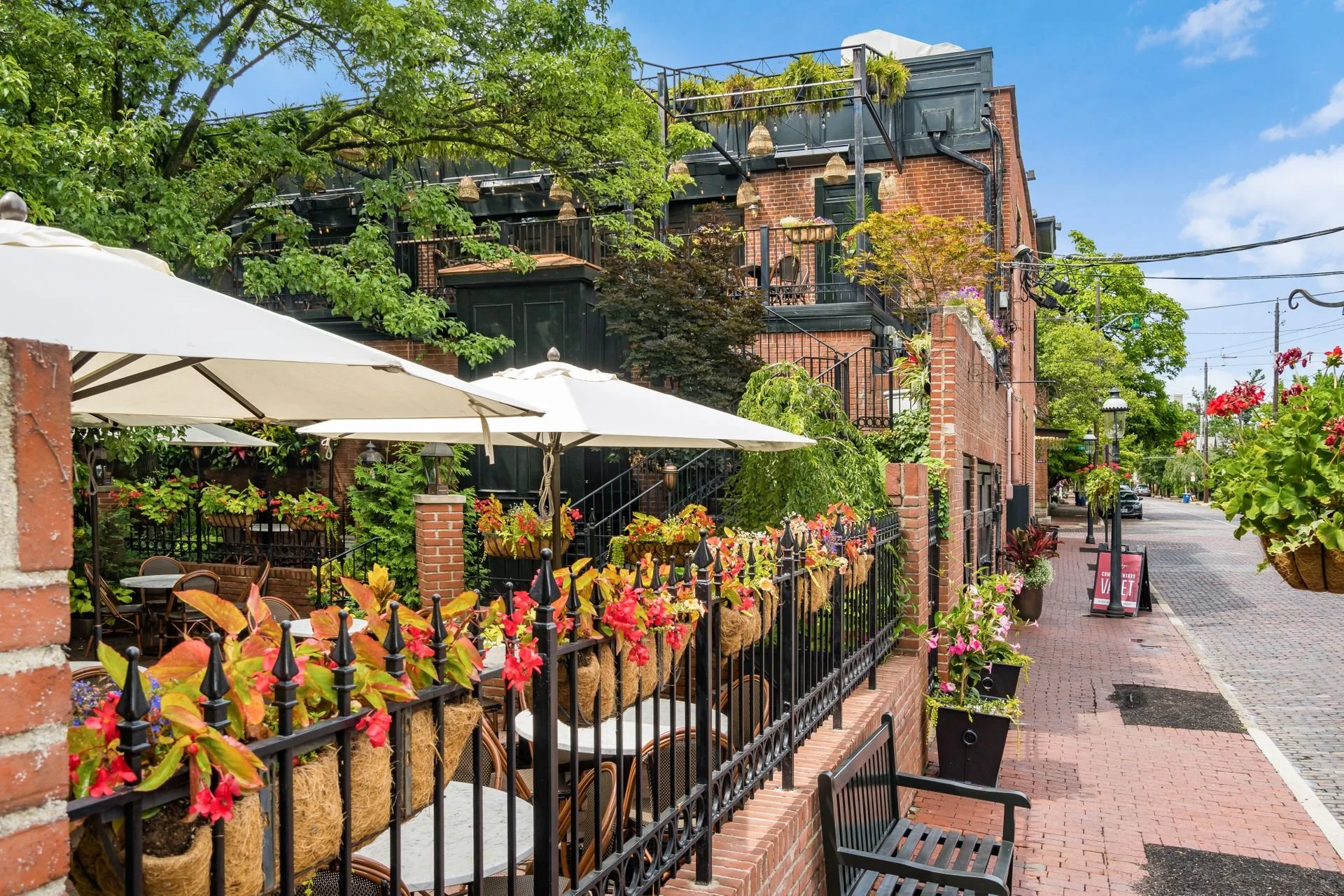
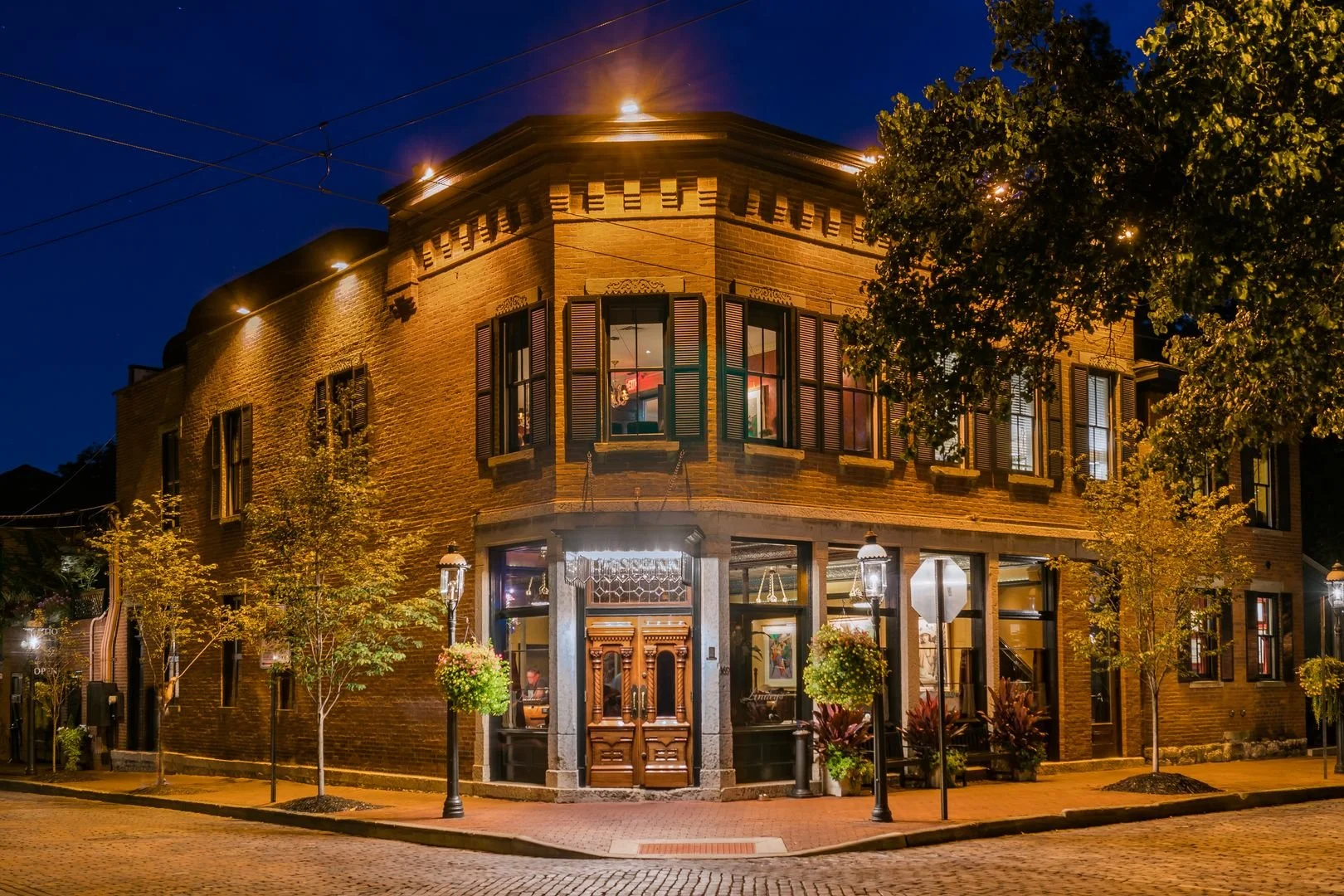
Renowned upscale-casual restaurant located in the heart of historic German Village. Open since 1981, known for exceptional American cuisine. And a cannot miss patio!
-
![]()
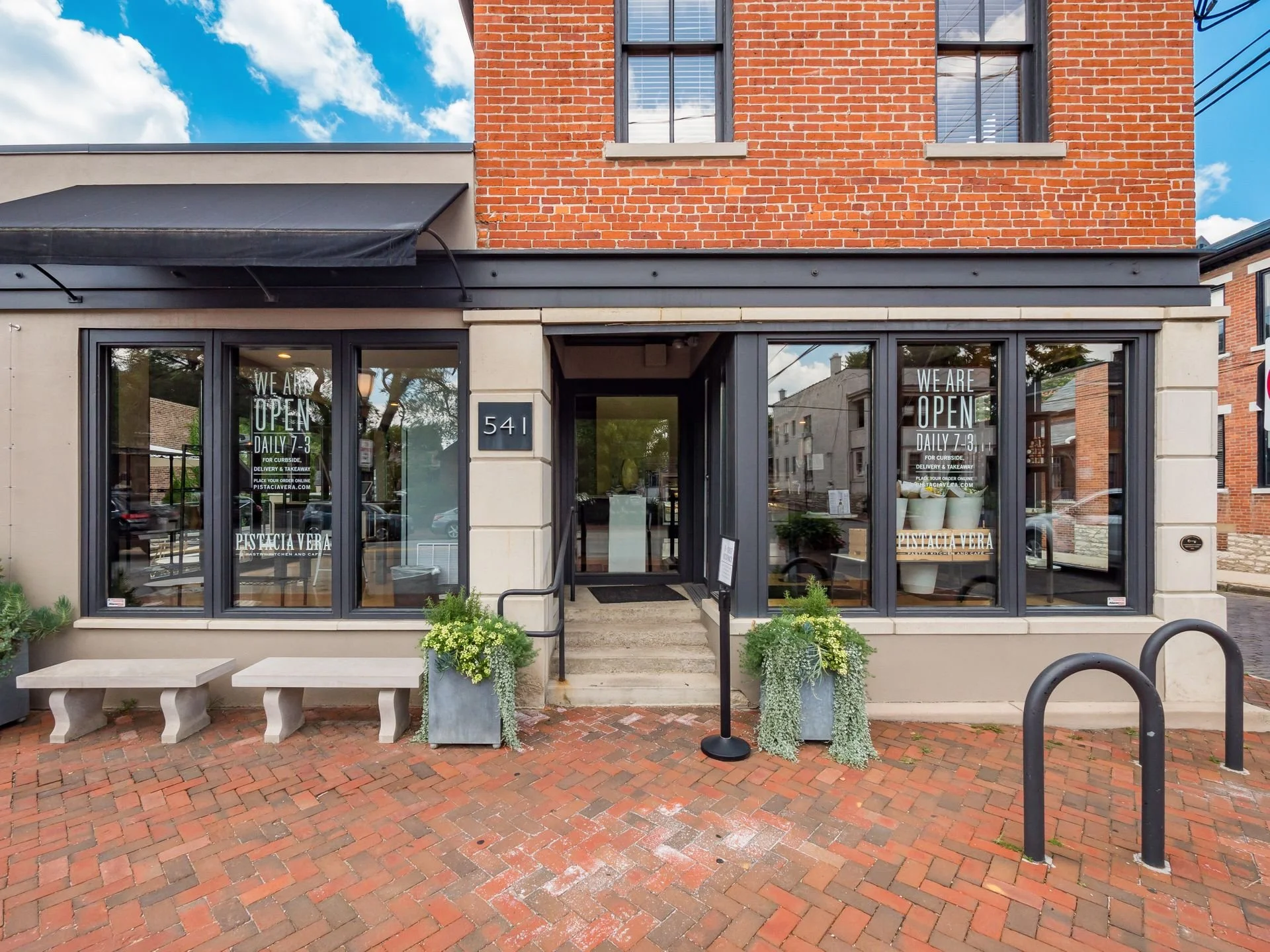
Pistacia Vera
Description goes here -
![]()
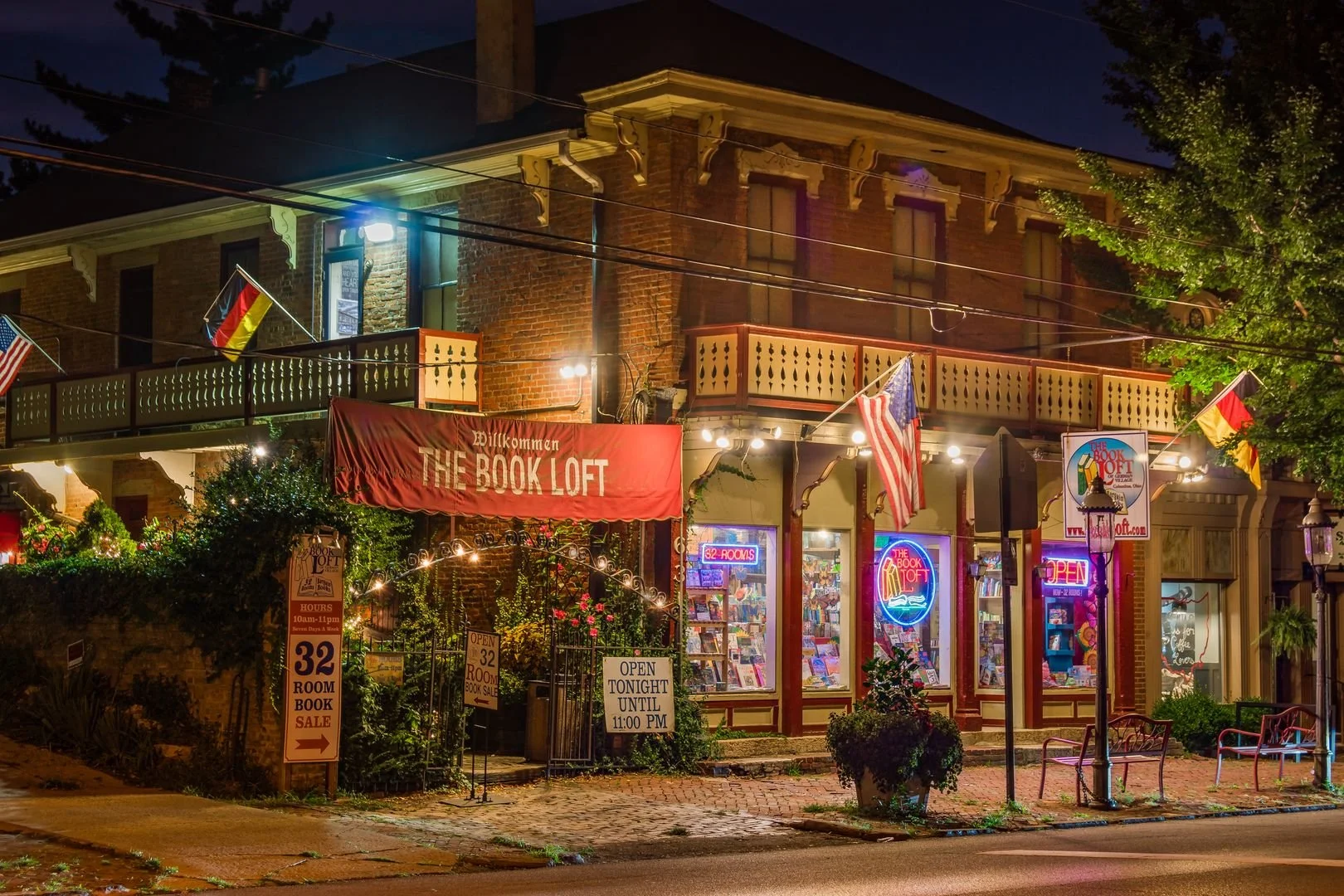
The Book Loft
Unique independent bookstore featuring a sprawling 32-room labyrinth. Opened in 1977 has been called "a national treasure" by The New York Times.
-
![]()
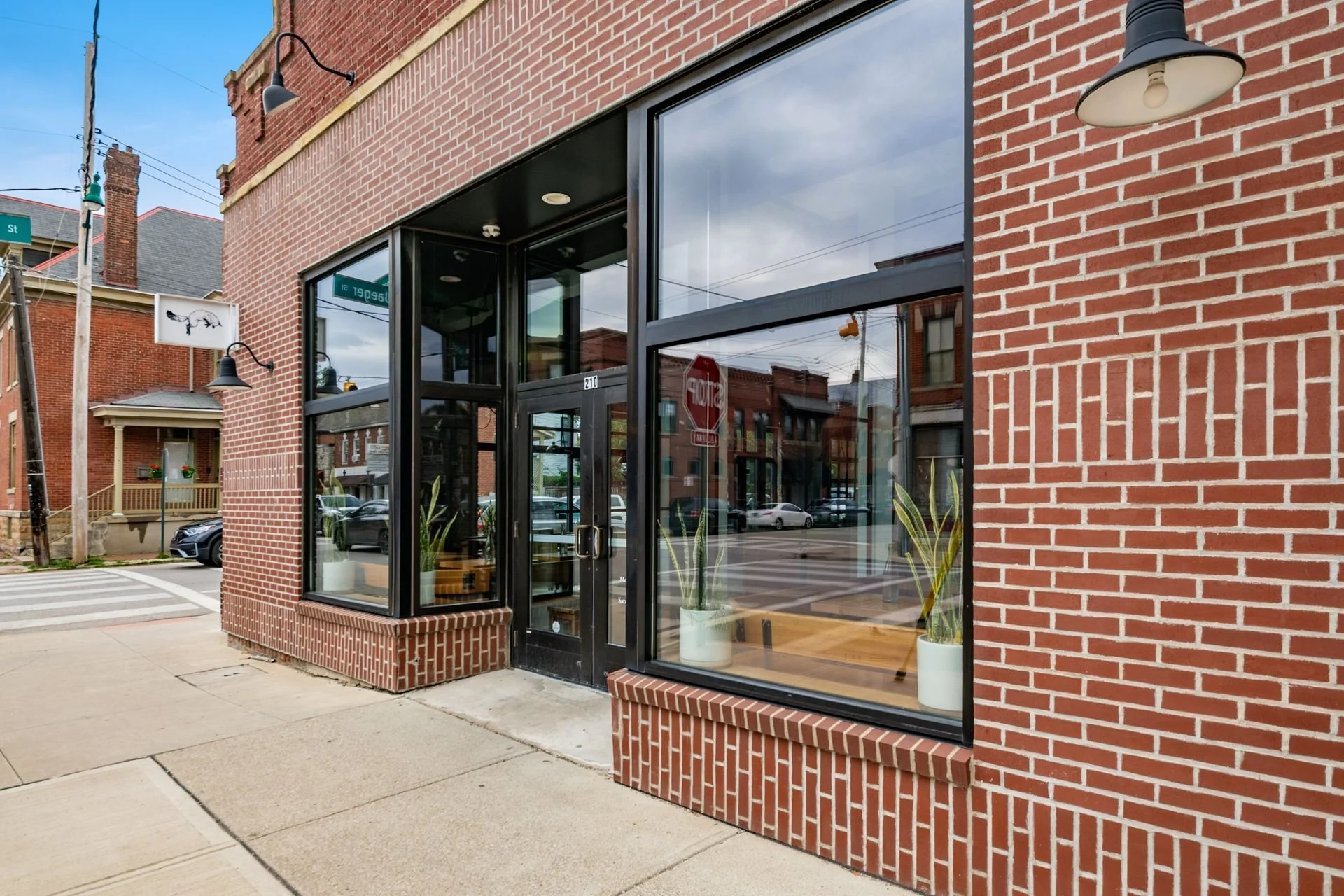
Fox In The Snow
Rustic-style baked goods and hand-poured drinks. First thing in the morning, there will be a line out the door Don’t foget to try the egg sandwich!
-
![]()
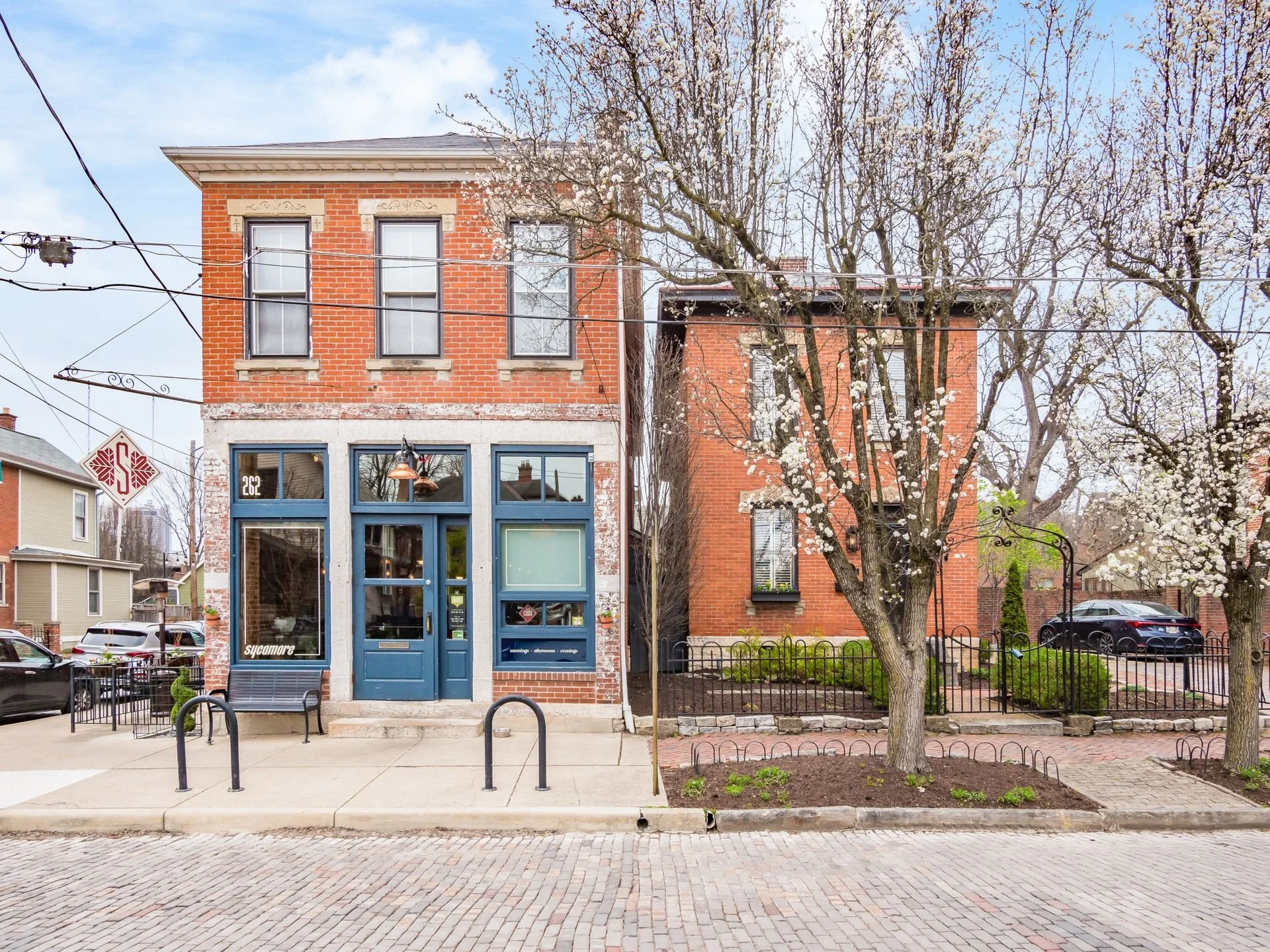
The Sycamore
Locally-owned gathering spot, open day and night. Elevated global fare from local sources in a narrow, brick-walled tavern with craft brews & wine.
-
![]()
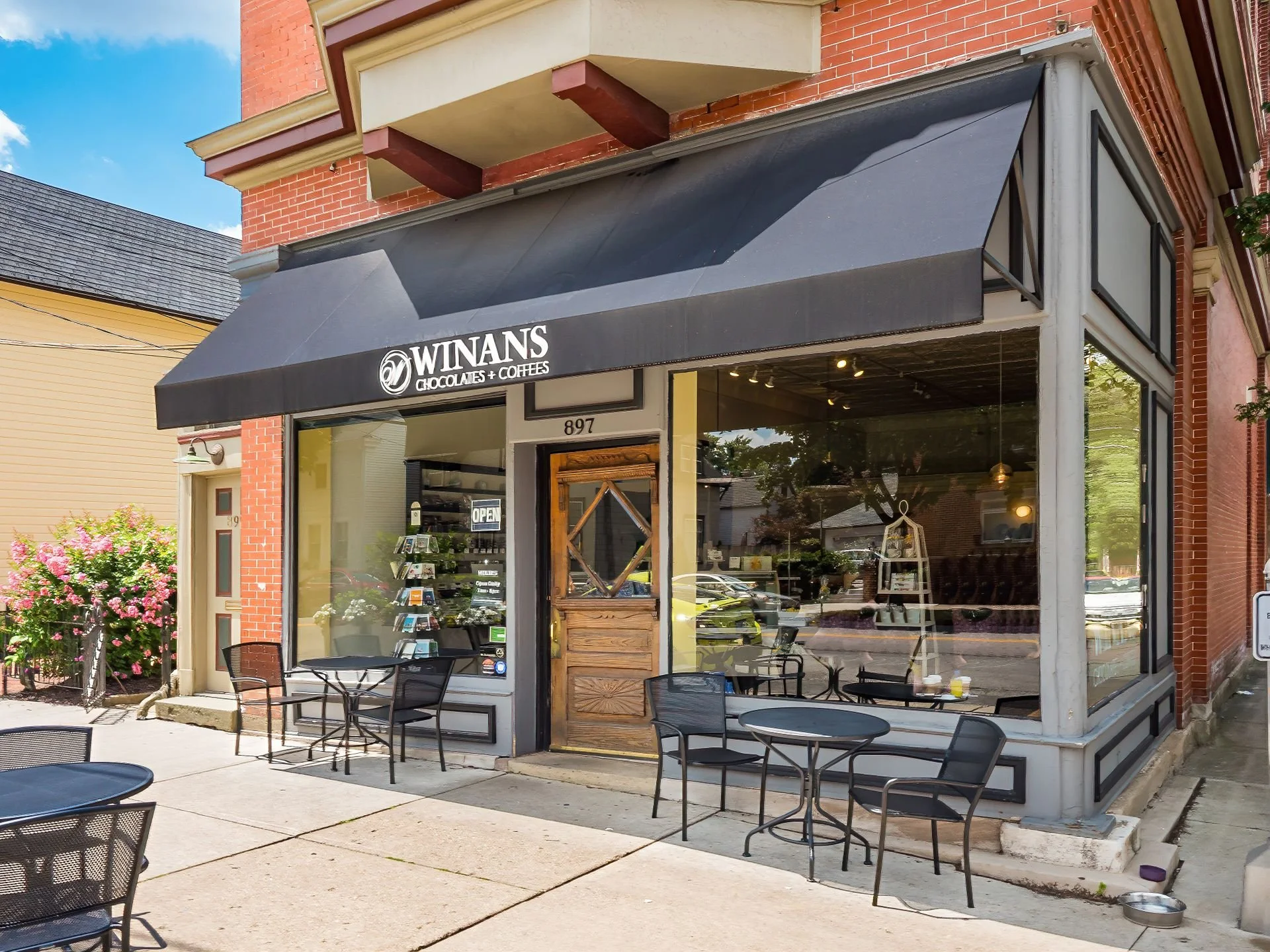
Winans
Coffee & chocolate. Officially born in 1961 and filled their shop with hand-dipped chocolates and hardtack candies—bringing sweetness and joy to their community.
The German Village market right now
What buyers should know
Expect low inventory. With 92 sales in nine months across the whole neighborhood and only 30 homes in inventory, the right home may only appear a few times a year in a given price range. Being ready — financing lined up, priorities settled — matters more here than watching and waiting.
Walk, don’t drive. With a Walk Score of 90, daily errands, Schiller Park, and the restaurants, bars, and coffee shops sprinkled through the Village are on foot for most streets. If walkability is why you are buying here, weigh the specific street — proximity to South Third Street and the parks changes the daily experience.
Price the era, not just the address. Much of the stock was built between 1840 and 1914. Budget and plan for the difference between a renovated home and an original one, and look closely at systems, not just finishes. Exterior work is subject to the city’s historic design review, so factor that into any renovation plan.
Mind the alleys. Carriage houses, garden apartments, and alley access are part of how German Village works. Check what is actually included in a sale, how parking works, and whether an alley structure is a garage, a dwelling, or both.
Get in before the public launch. Well-prepared German Village homes still draw multiple offers, and sellers here receive 97.8% of original list price on average. Our Private Exclusives and Coming Soon pipeline is often where a German Village search starts — tell us what you are looking for through the buyer questionnaire below and we will keep you in that loop.
What sellers should know
Stage and photograph before Coming Soon. Ideally, all staging and photography are done before your home is listed as Coming Soon. The 3D tour, floor plans, and video can follow between Coming Soon and going Active on the list date. Sellers — and pets — should be out of the house for staging, photography, and the 3D tour.
Build demand in phases. A Private Exclusive phase, then Coming Soon, then Active gives demand time to build in stages, instead of spending your first weekend all at once. The German Village results above were sold this way.
Price from evidence, not algorithms. With few direct comparables on the market at any one time — and a spread from small cottages to $2,000,000 landmark homes — pricing is a judgment call that has to be argued from recent closings across the neighborhood, not from an automated estimate. Start with a proper valuation, below.
Get access to Private Listings
Fill out the form to receive our comprehensive list of off-market listings.