Short North
Galleries and arches along High Street, historic houses on the side streets, and the most walkable blocks in Columbus — the houses, the market, and what it actually takes to buy or sell here.
Short North at a glance
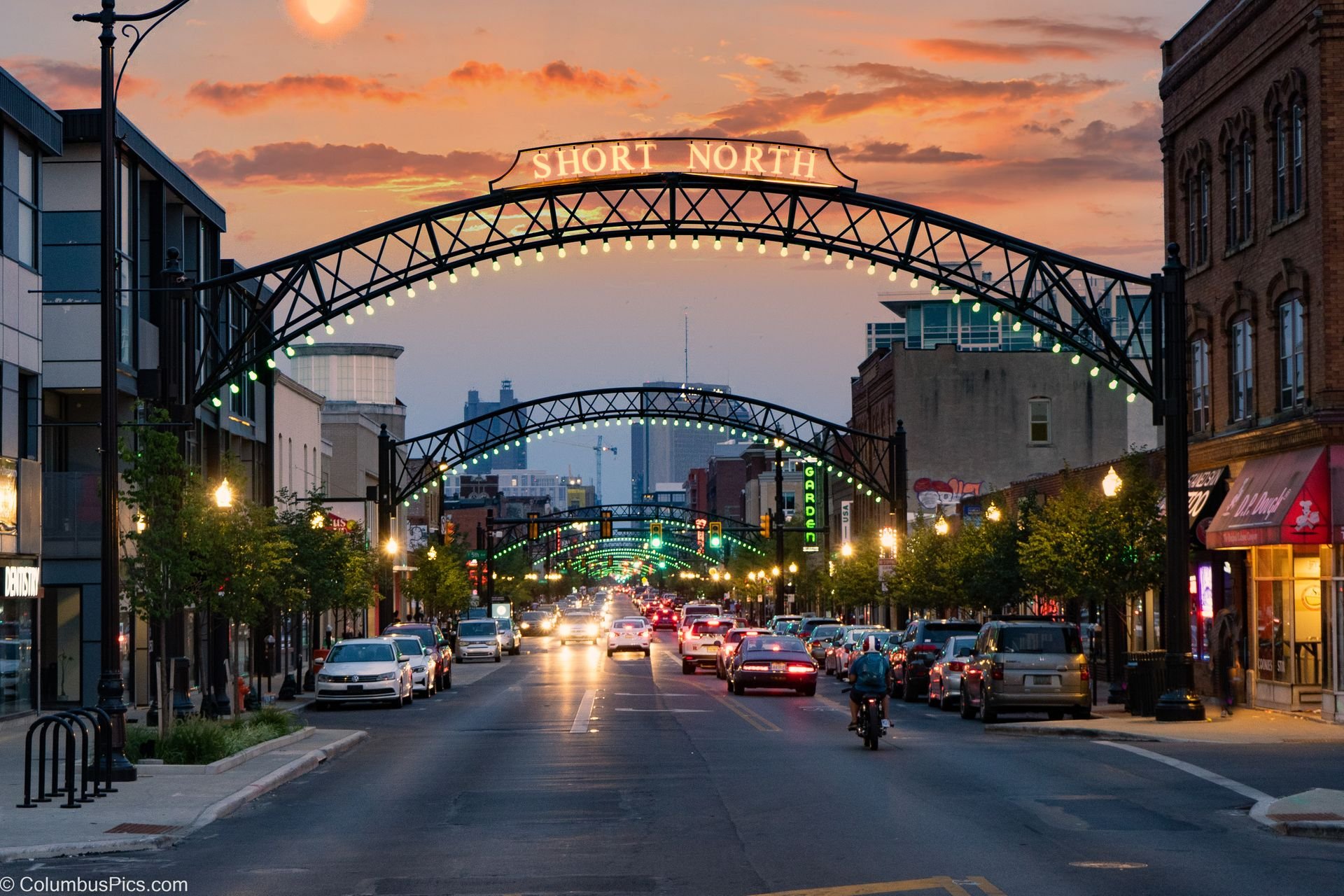
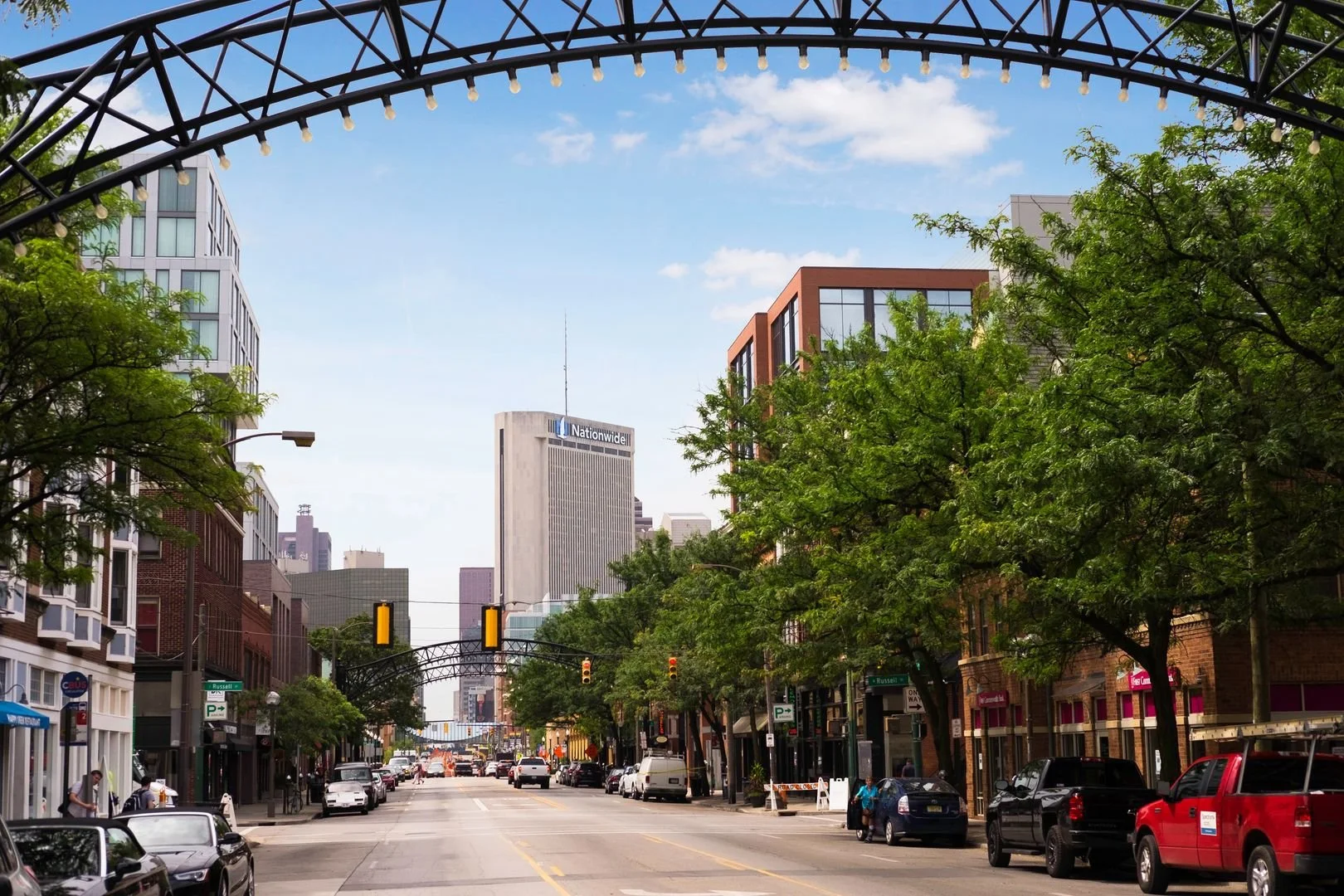
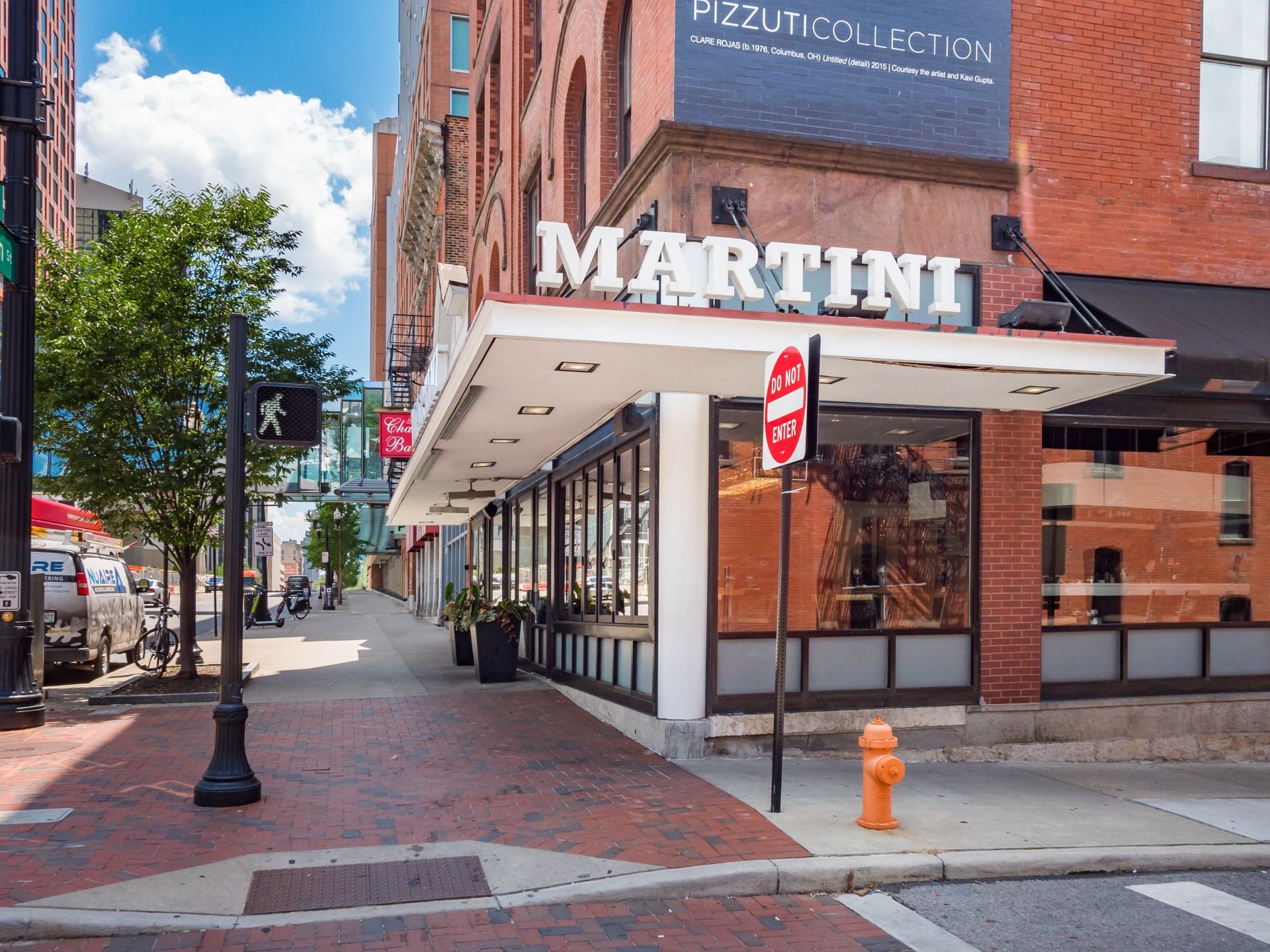
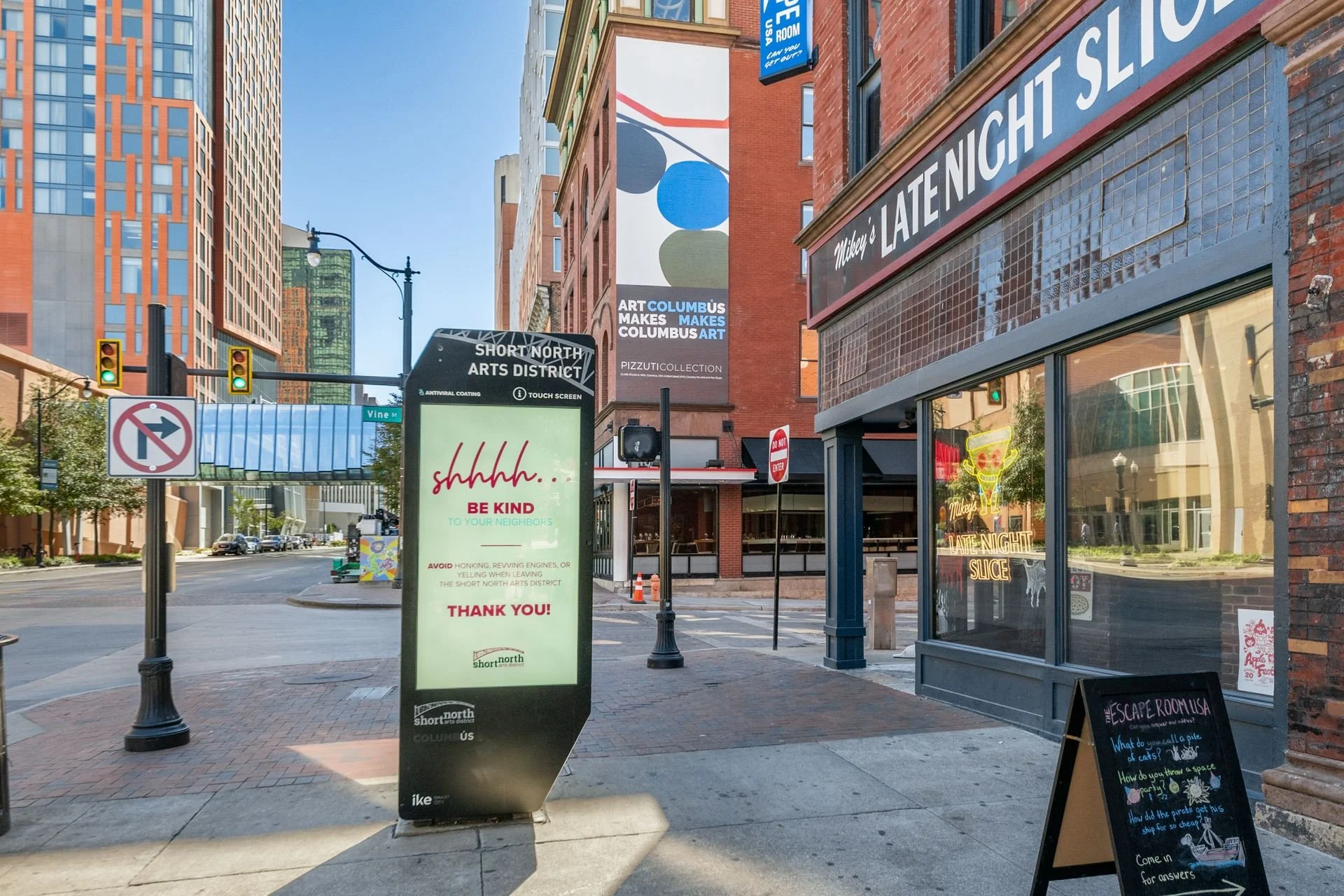
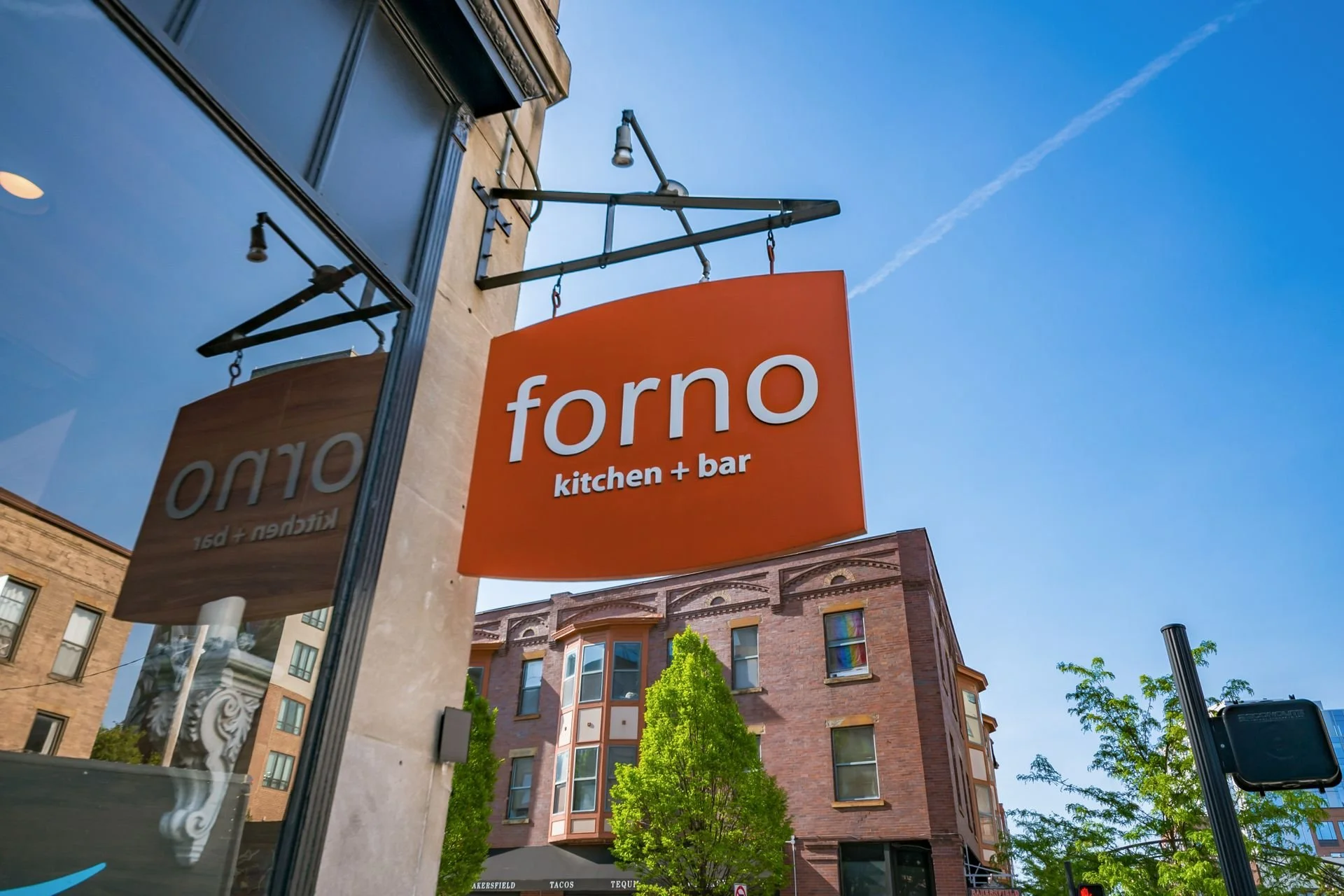
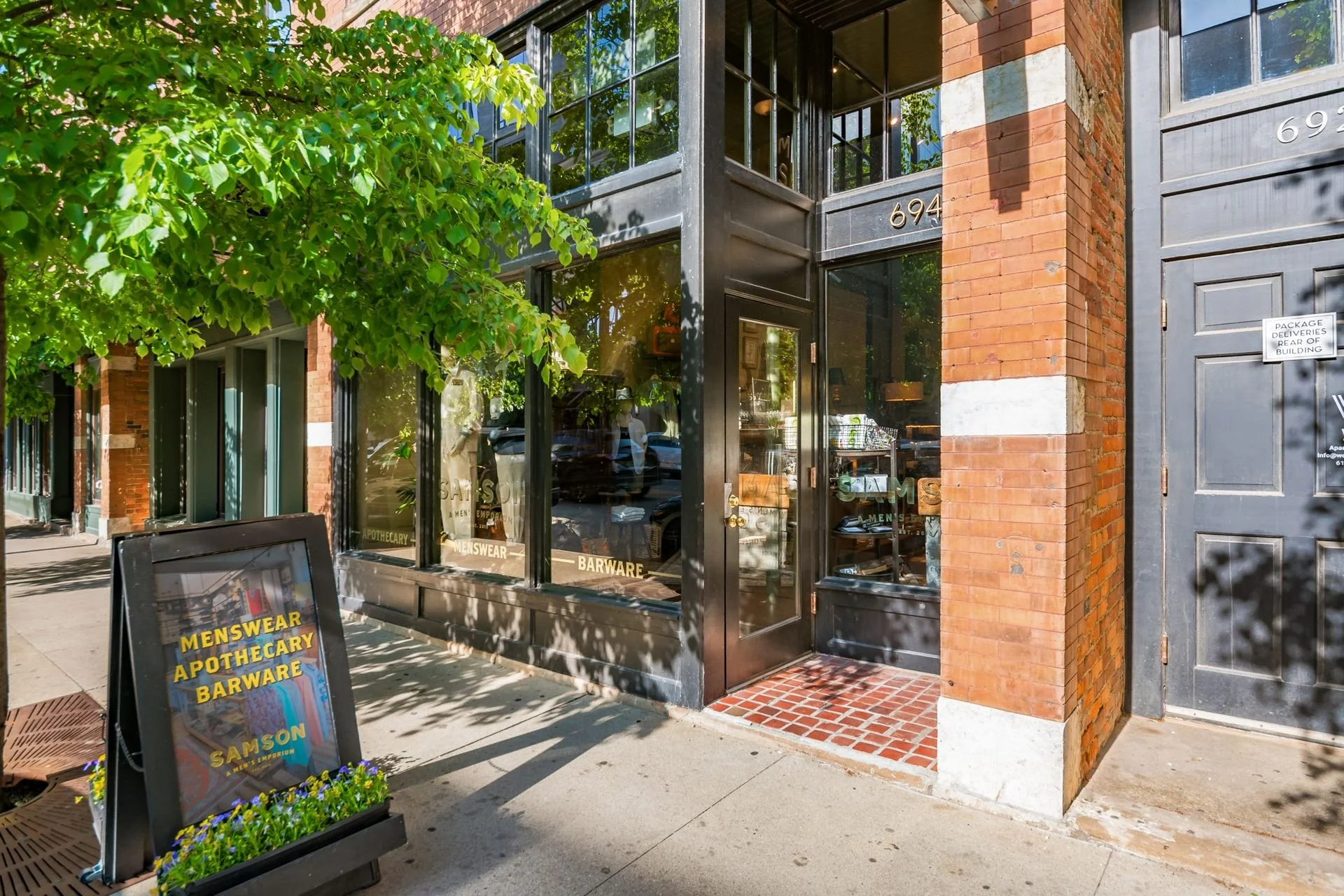
The Short North sits just north of downtown Columbus — about a mile of High Street lined with galleries, shops, restaurants, and bars, lit after dark by 17 steel arches, with historic houses on the streets on either side. It is the city’s arts district and its most walkable neighborhood, and the one where the street itself is the attraction: on a first Saturday, or any warm evening, the sidewalks are the point.
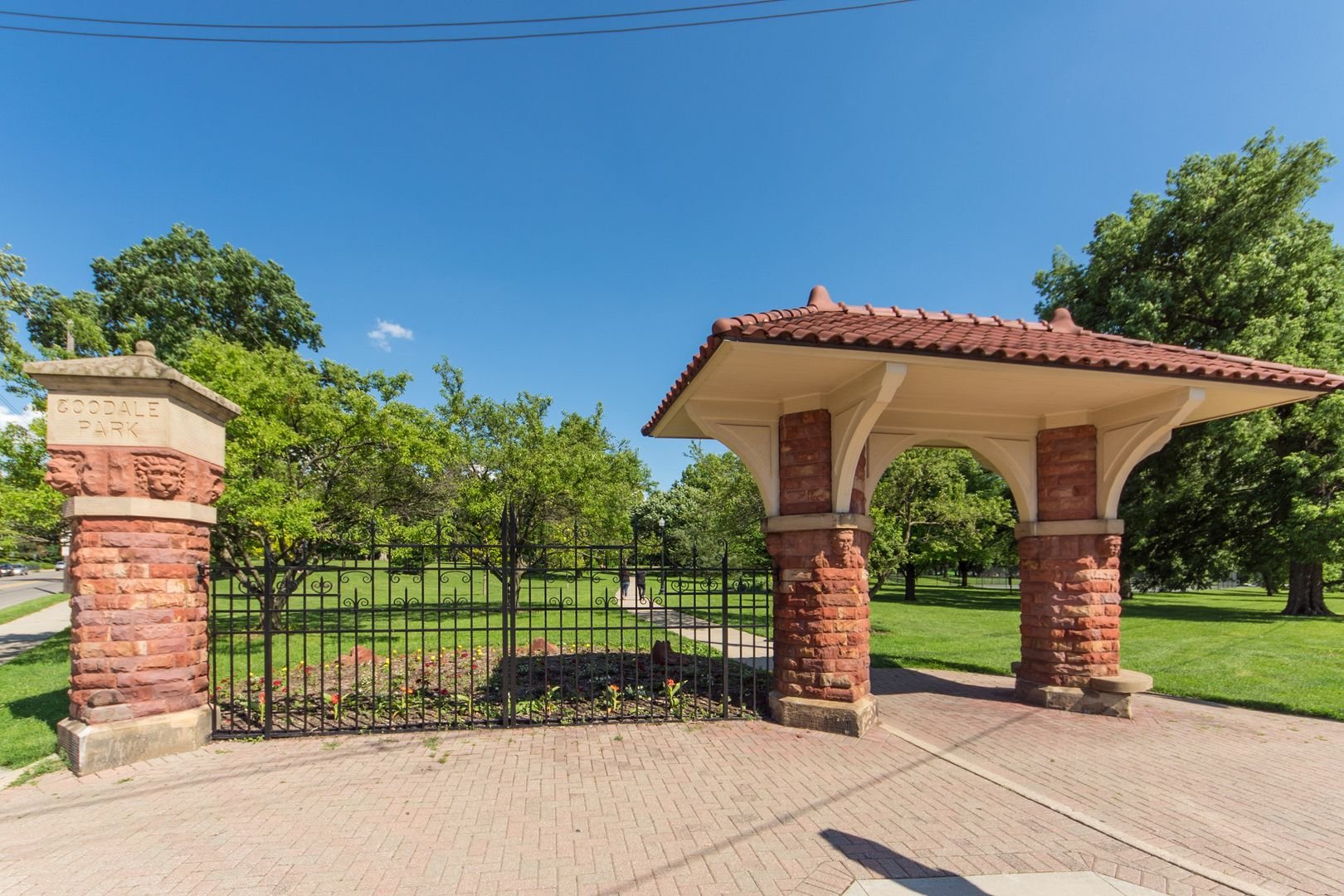
The ground here was farmland before it was a neighborhood. In 1827 William Neil bought 300 acres north of town, and after his death his heirs split it into lots that became one of Columbus’s first suburbs. Goodale Park, at the south end of the district, was given to the city in 1851 — Columbus’s oldest planned park. Streetcars on High Street and Neil Avenue filled the area with homes by about 1920. After the Second World War the area declined as families moved to the suburbs and big houses were cut into apartments. The comeback started in the 1970s, when residents formed the Italian Village Society and the city created the Victorian Village Historic District, both in 1973. In the 1980s artists moved in, galleries opened, and the first Gallery Hop was held in 1984. The Special Improvement District followed in 1999, and the arches — the district’s signature — went back up over High Street in 2002.
The arches are a deliberate echo. Columbus was known as “Arch City” in 1888, when wooden arches lit by gaslight were built for the centennial of the Northwest Territory; steel and electric lights replaced them in 1896, and they were torn down in 1916. The 17 steel arches reinstalled in 2002 run from Goodale Street to Fifth Avenue, and their LED lights run a show on the hour after dark — a mile-long line of light that has become the hallmark of the district.
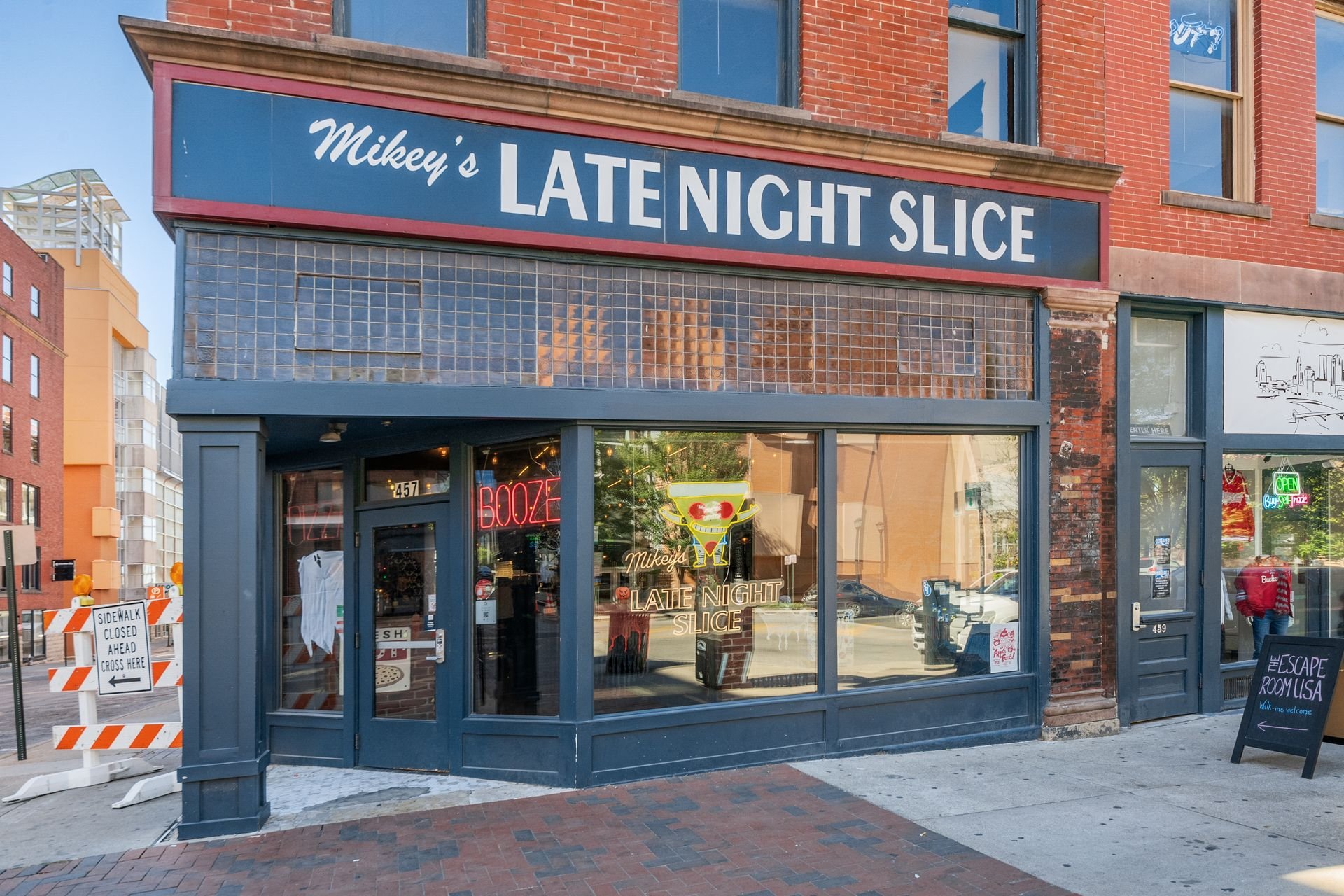
Walkability is the other defining fact. The Short North has a Walk Score of 95 — a “Walker’s Paradise,” where daily errands do not require a car — and ranks as the most walkable neighborhood in Columbus. About 116 restaurants, bars, and coffee shops sit within the neighborhood, and the average address can reach 19 of them in a five-minute walk. The Transit Score is 56 and the Bike Score is 91.
How Short North is organized
The first thing to get straight is that “the Short North” means two things, and the guide uses both. The Short North Arts District is the strip itself: High Street from the north side of Goodale Street to the south side of 7th Avenue / King Avenue, lit by the steel arches. The homes are in the neighborhoods on either side of that strip — and those neighborhoods are where the buying and selling actually happens.
West of High Street is Victorian Village, a city historic district since 1973, of brick Victorians, Queen Annes, and Italianates on tree-lined streets around Neil Avenue and Goodale Park, with some newer condos mixed in. Harrison West runs farther west toward the Olentangy River, a mix of restored older homes and newer townhomes near the river, the Olentangy Trail, and Harrison Park. East of High Street is Italian Village, which has the most new construction in the area — townhomes and condos, including at Jeffrey Park and around Fourth Street, mixed in with older frame homes and doubles. Weinland Park and the University District continue north toward Ohio State; downtown sit to the south, across I-670.
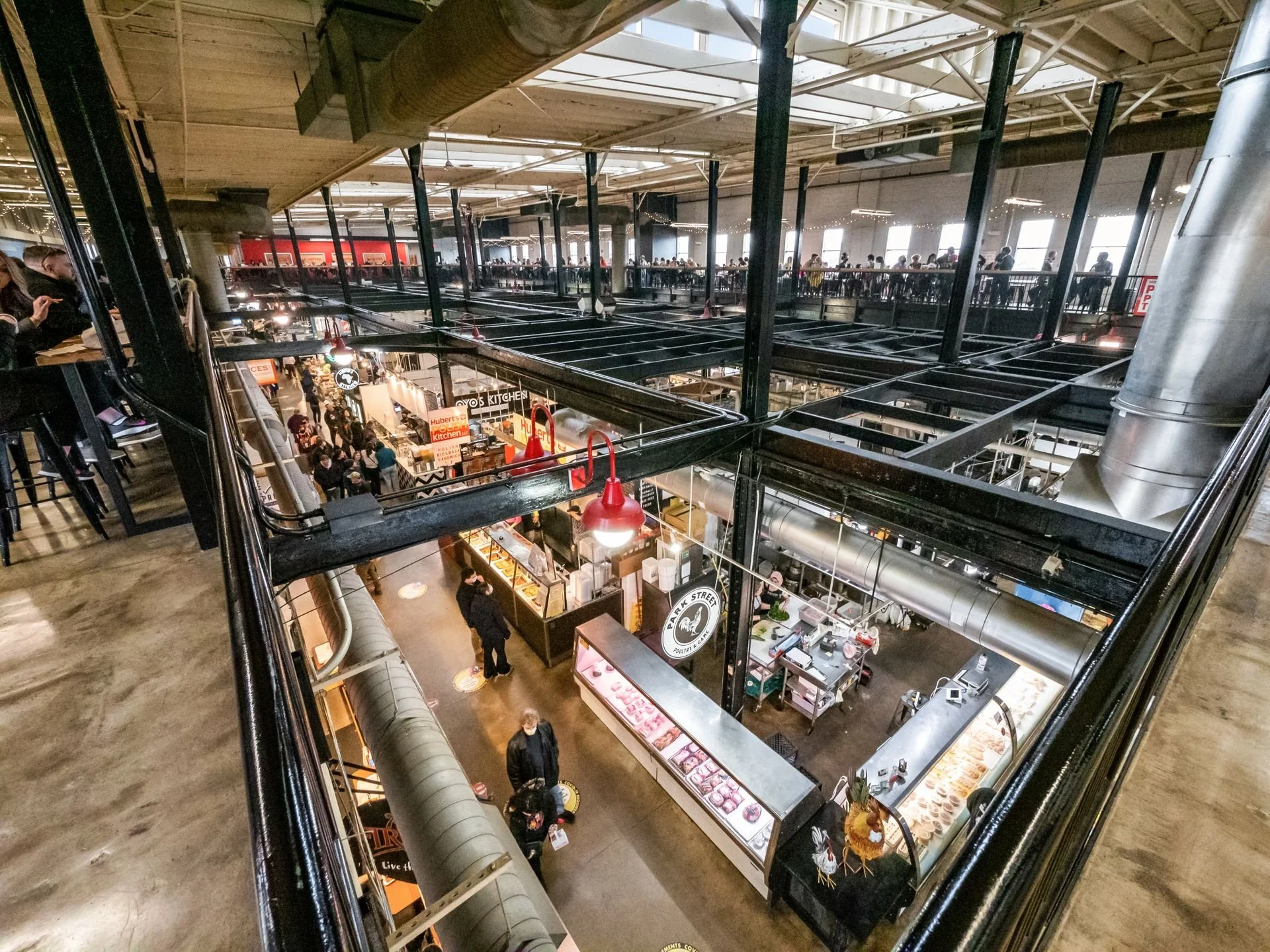
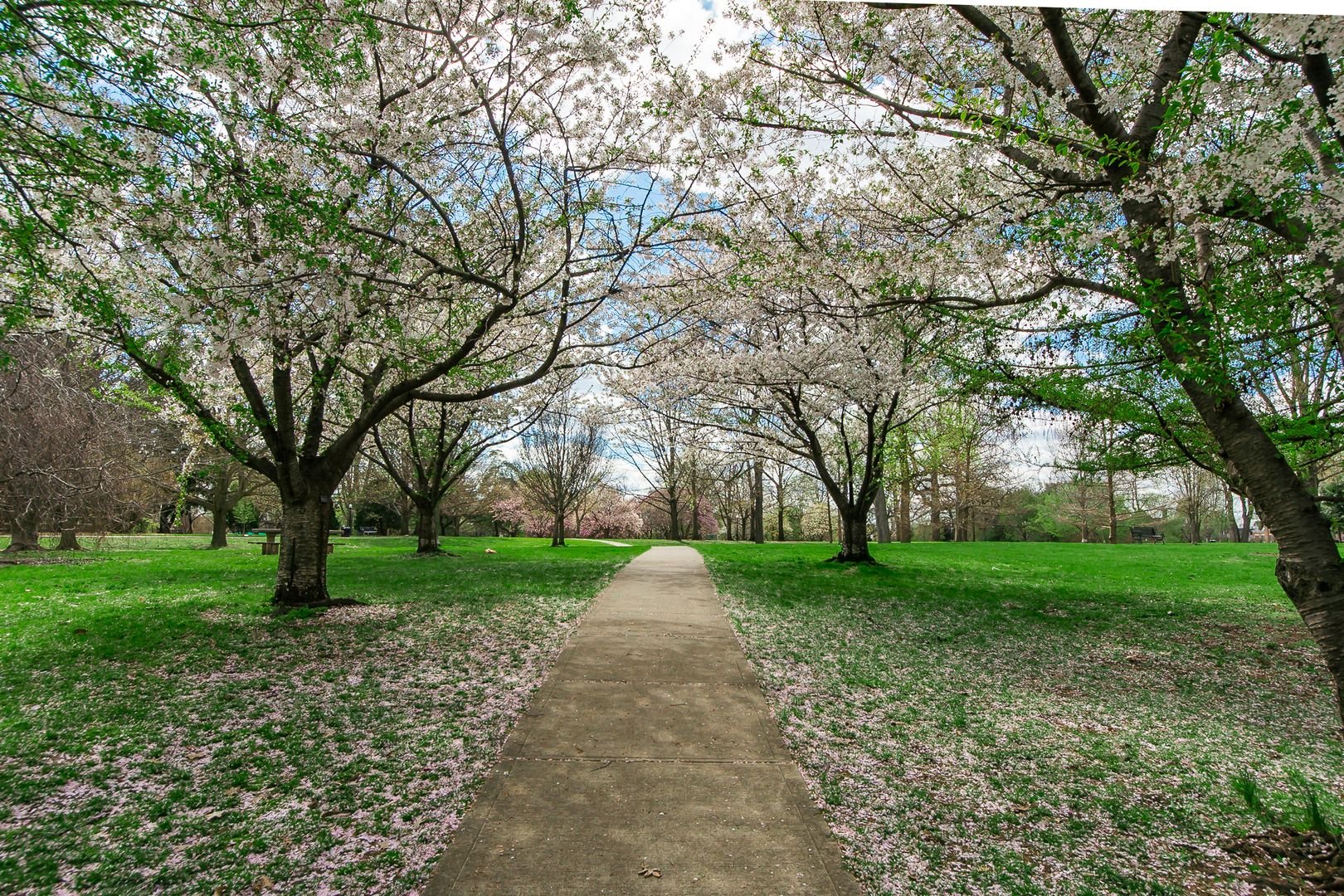
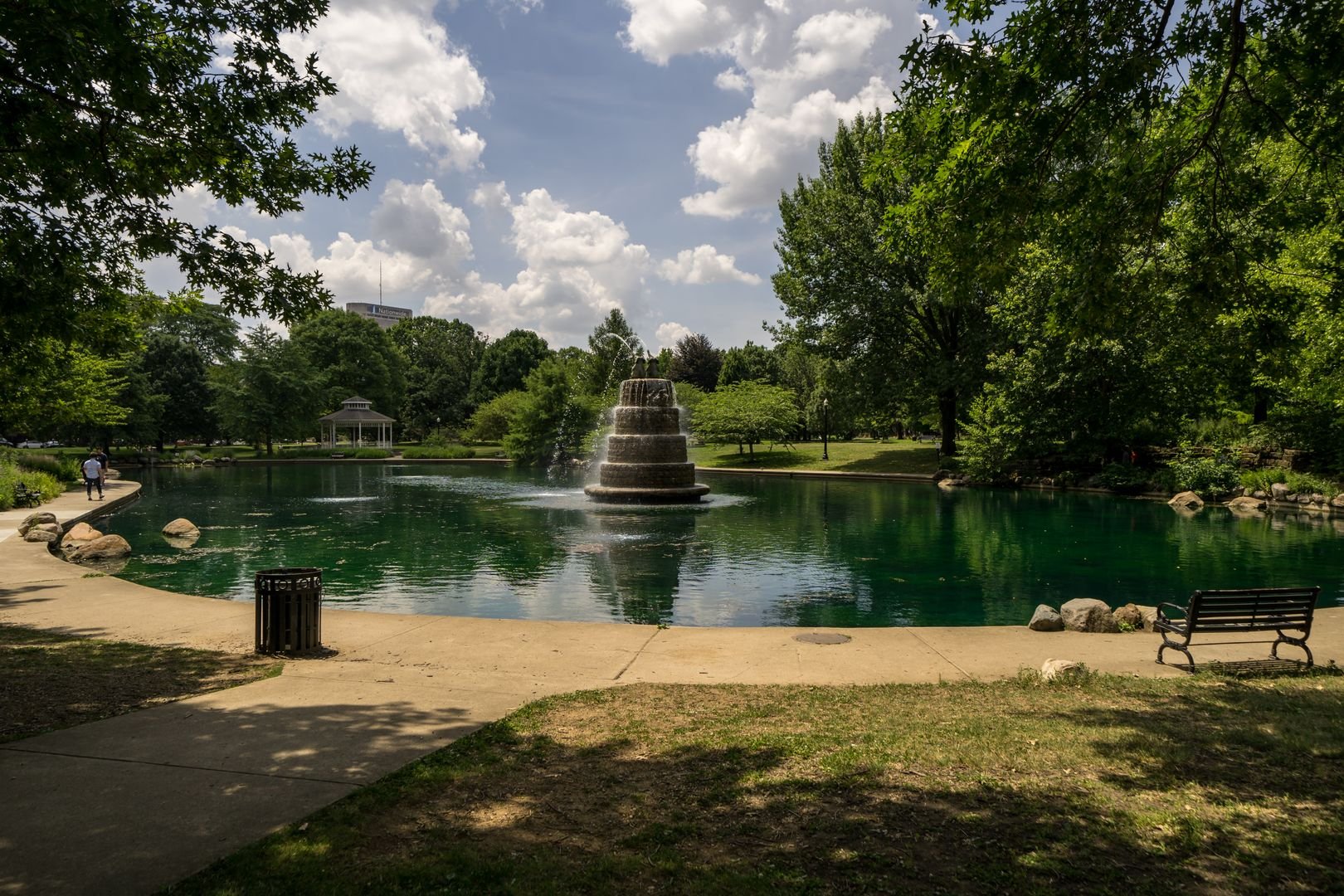
Goodale Park anchors the south end of the district: 32 acres given to the city in 1851, with ponds, a gazebo, and the district’s biggest outdoor gatherings. Just across I-670 on Spruce Street is North Market, the historic public market at 59 Spruce Street — the neighborhood’s everyday food hall and a short walk from most of the district. The commercial heart runs the length of High Street, and the residential streets fan out from it — Neil and Dennison to the west, Pearl and Fourth to the east — so the daily experience changes a block at a time: gallery and restaurant noise on High, quiet brick streets one turn off it.
A year in Short North
The Short North runs on a calendar, and living here means living with it — the street fills, the galleries open late, and the neighborhood turns out. On the first Saturday of every month, Gallery Hop brings new exhibitions to the district’s galleries, with street performers, shops and restaurants open late, and thousands of people on High Street. It has run that way since 1984, when two galleries — Art Reach and PM — began opening new shows on the first Saturday to cross-promote each other. It is a monthly ritual as much as an event, and the single best way to learn the district on foot.
Each June, the calendar fills twice. Stonewall Columbus Pride takes over Goodale Park and the Short North Arts District, and ComFest — the free, volunteer-run Columbus Community Festival — fills Goodale Park with local music, activism, artisans, and food for a weekend. On July 4, the Doo Dah Parade has run since 1983 — a satirical parade celebrating “liberty and lunacy,” stepping off at 1 p.m. and winding through the Victorian Village streets and down High Street to Goodale Park, where a free block party with live music runs at the gazebo. The 2026 parade was the 43rd.
In October, HighBall Halloween takes over High Street — the Costume Couture Fashion Show on the main stage, in recent years folded into the Hops on High open-streets festival, with High Street pedestrian-only for the day. Hops on High itself is a newer open-streets series that closes High Street to cars for a day of vendors, live music, and performances. The year closes in December with the Holiday Hop, the first Saturday of the month — galleries and shops decked out, the arches lit, and the district at its most festive. Dates move year to year; check the Short North Alliance calendar before planning around any of them.
The houses themselves
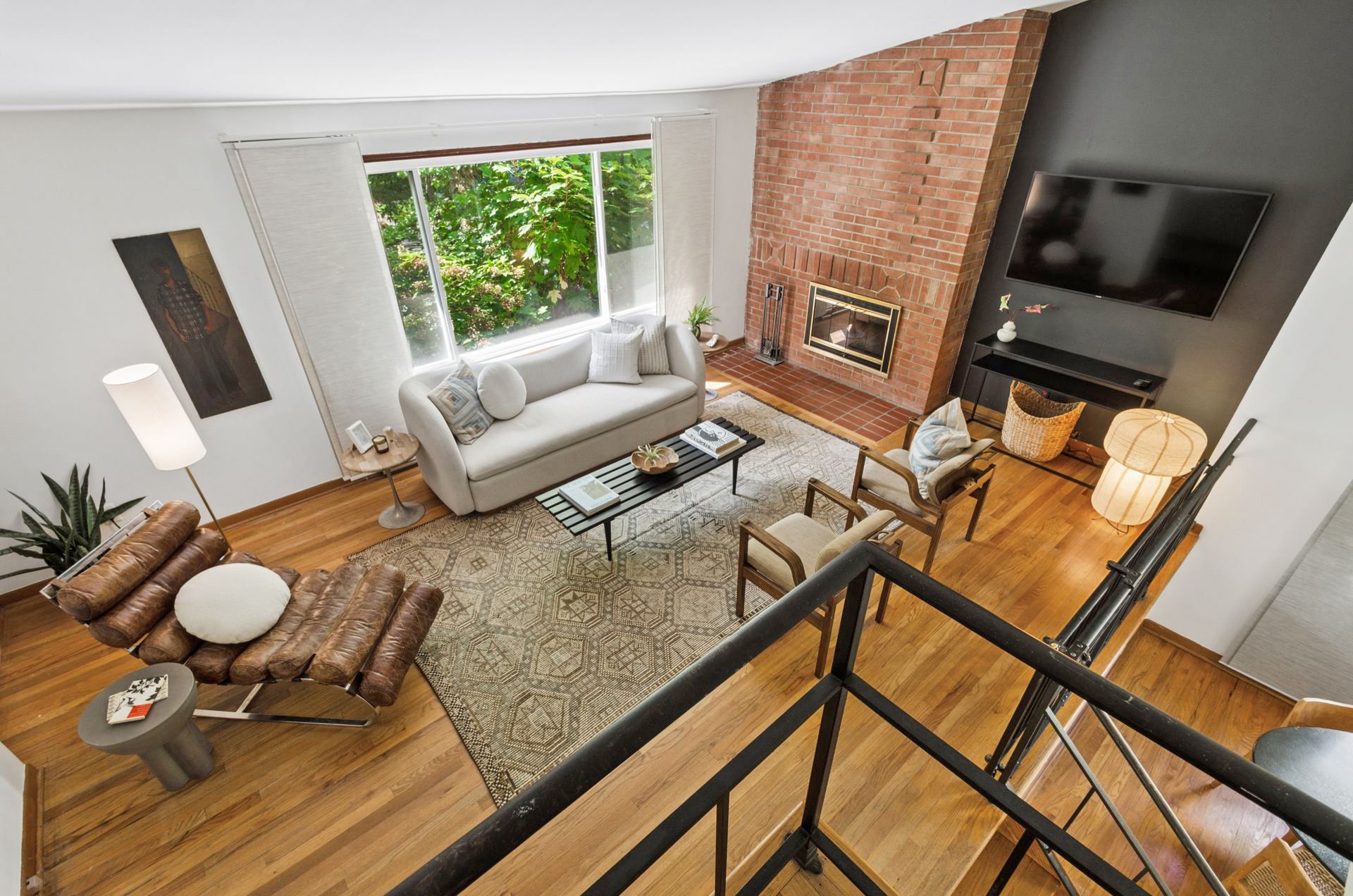
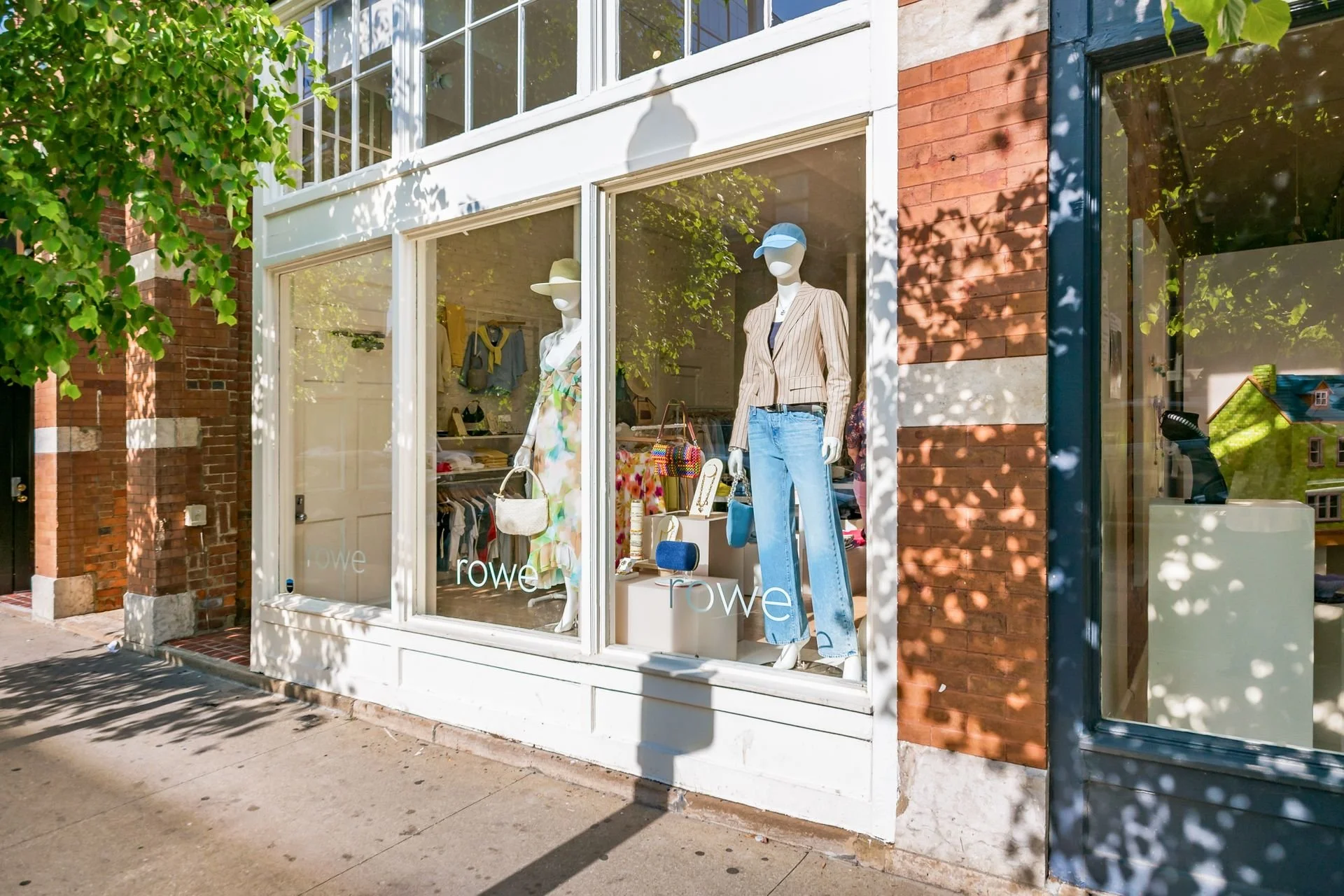
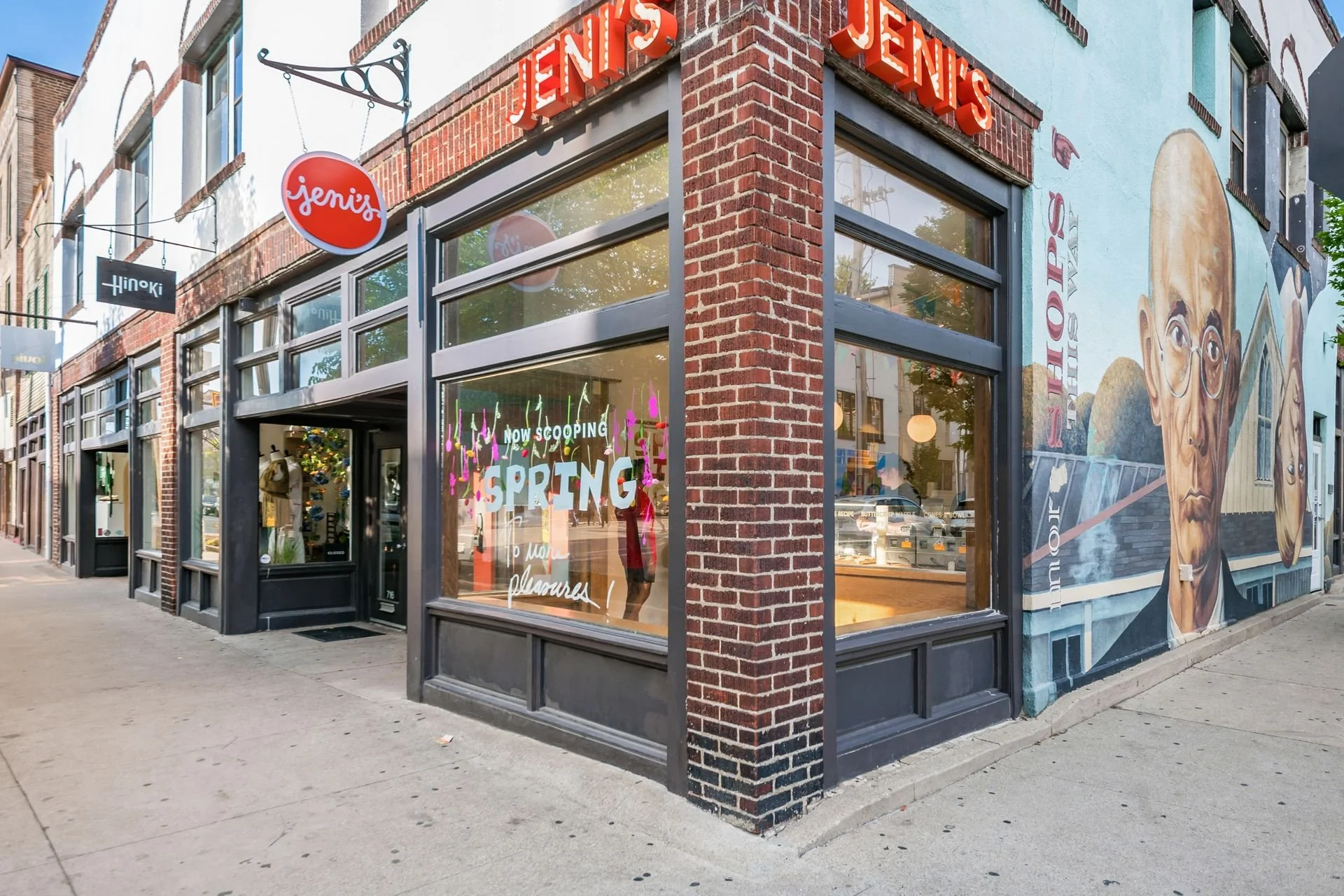
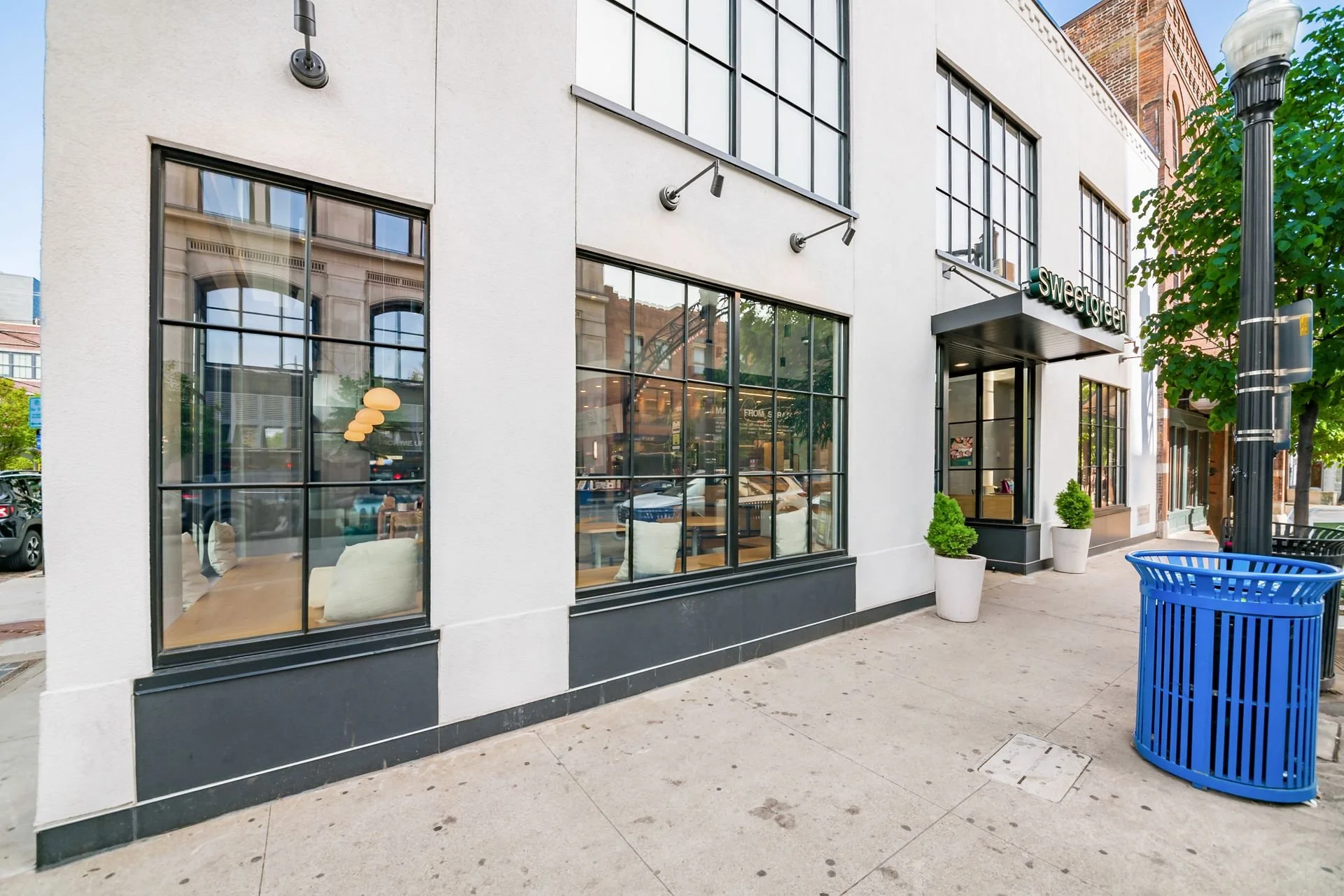
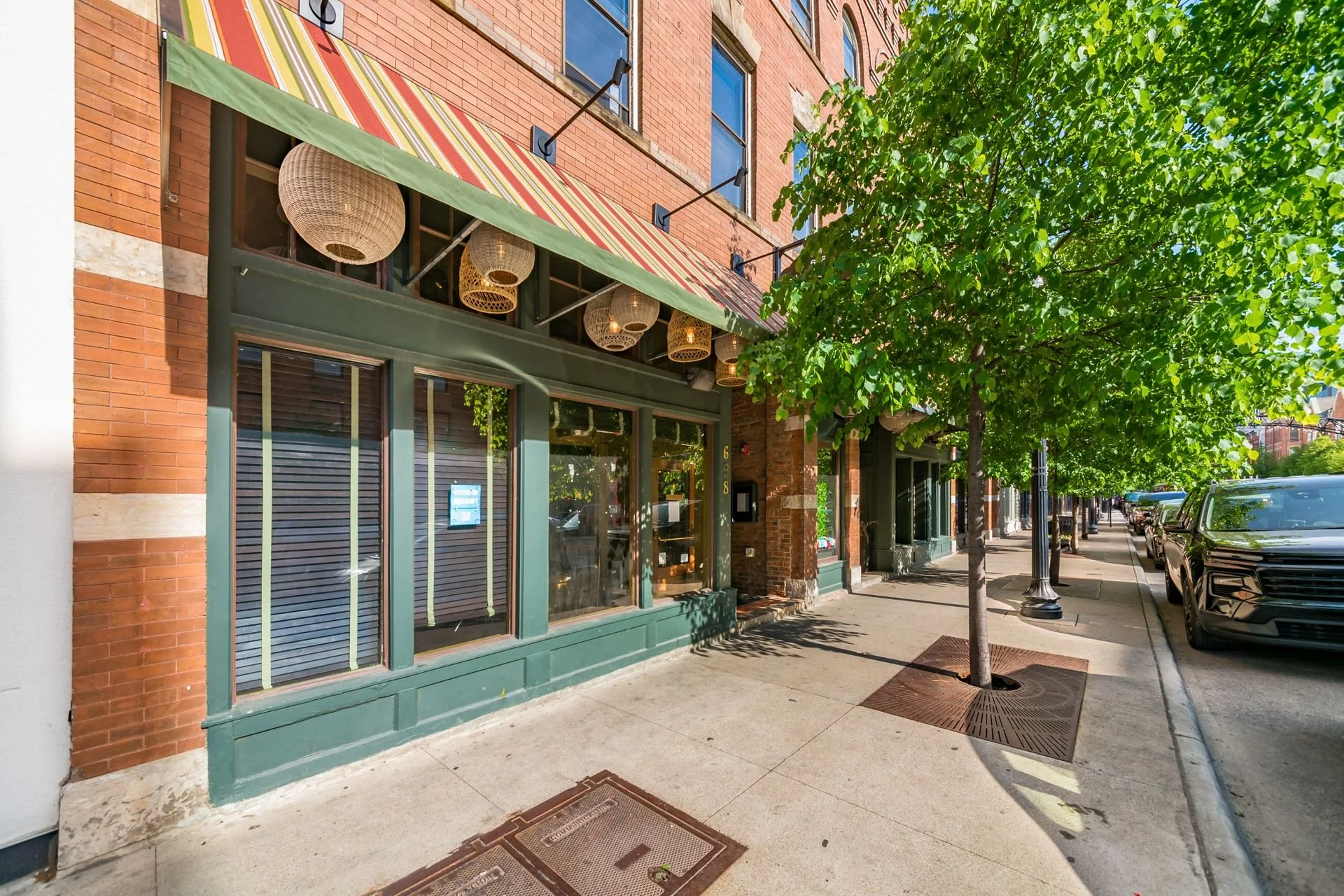
Read the side streets and you read the neighborhood’s building history. Most of the housing stock along High Street dates from at least the early twentieth century: tightly packed brick buildings with traditional storefronts, often with brightly painted murals on their side walls, and old apartment buildings and rowhouses in the surrounding blocks. Layered into that stock are newer condominium developments, townhomes, and infill — the newest of it concentrated in Italian Village, where Jeffrey Park and the Fourth Street corridor have added townhomes and condos beside older frame homes and doubles.
The three residential pockets read differently. Victorian Village is the historic stock: brick Victorians, Queen Annes, and Italianates, many of them on the city’s historic-district register since 1973, which means exterior work is subject to the city’s historic design review — a practical point for any renovation plan. Italian Village is the new-construction pocket: townhomes and condos, many built since 2000, mixed with the older frame houses that survived. Harrison West is the in-between: restored older homes and newer townhomes near the river and the Olentangy Trail. Across the area, about half of recent sales carried an HOA fee — usually a condo or townhome — so the monthly cost of a home here is not just the mortgage.
For buyers, the practical point is the same as in any historic urban neighborhood: two homes with the same bedroom count can be very different propositions — original systems and floor plans in an unrenovated early-1900s home, versus the same architecture with the renovation already done, versus a new townhome with an HOA and shared walls. That spread is where local pricing knowledge matters most, and it is why the market median can swing sharply on just a few large closings — the subject of the next section.

What buyers should know
Check the pocket, not just the neighborhood name. Victorian Village, Italian Village, and Harrison West are different propositions — historic brick houses, new townhomes and condos, restored homes near the river — with different prices, HOA exposure, and renovation rules. Price the street you are buying on, not the district as a whole.
Walk, don’t drive — and check the parking. With a Walk Score of 95, daily errands, Goodale Park, North Market, and the restaurants and bars of High Street are on foot for most addresses. But parking is the practical question: garage, lot, or street, and what the permit rules are for the specific block. Weigh the specific street — proximity to High Street changes the daily experience, for better and for louder.
Read the HOA before you offer. About half of recent sales in the area carried an HOA fee, usually a condo or townhome. Read the budget, what the fee covers, any rental caps, and any pending assessments — the monthly cost of the home is not just the mortgage.
Price the era, not just the address. Much of the stock was built before 1940, with a large share of townhomes and condos built since 2000. Budget and plan for the difference between a renovated home and an original one, and look closely at systems, not just finishes. In Victorian Village, exterior work is subject to the city’s historic design review, so factor that into any renovation plan.
Mind the noise and the calendar. Gallery Hop fills High Street on the first Saturday of every month, and the summer and holiday festivals bring crowds to the district. That energy is why people buy here — and it is worth spending an evening on the street before offering, so the weekend version of the neighborhood is not a surprise.
Get in before the public launch. Well-prepared Short North homes still draw multiple offers, and sellers here receive 95.1% of original list price on average. Our Private Exclusives and Coming Soon pipeline is often where a Short North search starts — tell us what you are looking for through the buyer questionnaire below and we will keep you in that loop.
What sellers should know
Stage and photograph before Coming Soon. Ideally, all staging and photography are done before your home is listed as Coming Soon. The 3D tour, floor plans, and video can follow between Coming Soon and going Active on the list date. Sellers — and pets — should be out of the house for staging, photography, and the 3D tour.
Build demand in phases. A Private Exclusive phase, then Coming Soon, then Active gives demand time to build in stages, instead of spending your first weekend all at once. In our experience, homes marketed as Coming Soon, rather than launched straight to the public, draw the strongest price and terms — a full public launch is not the stronger play for top price.
Price from evidence, not algorithms. With few direct comparables on the market at any one time — and a spread from one-bedroom condos to restored brick single-family homes and new townhomes — pricing is a judgment call that has to be argued from recent closings across the area, not from an automated estimate. Start with a proper valuation, below.
Condition carries extra weight now. With inventory up 16.4% and months of supply at 4.1, buyers have more to choose from than a year ago. A well-prepared home still moves in about 49 days; a tired one sits while the fresh listings get the showings.
Get access to Private Listings
Fill out the form to receive our comprehensive list of off-market listings.